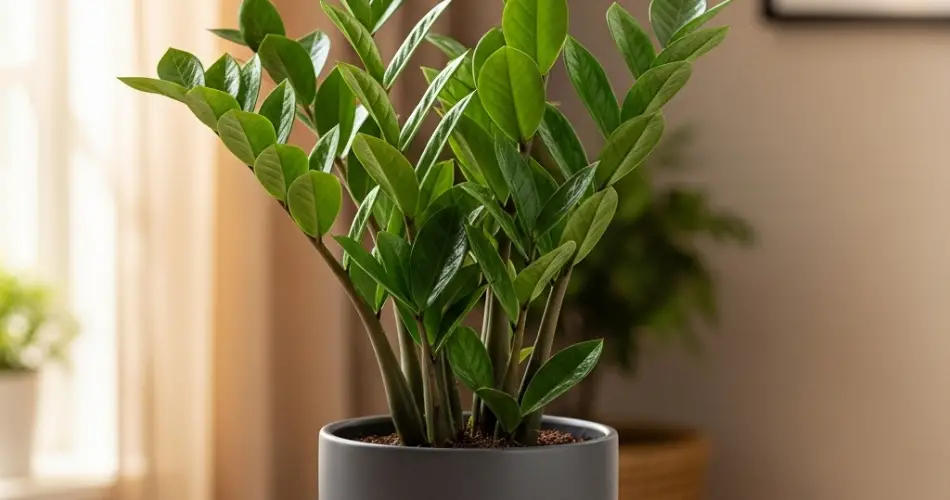
The ZZ plant (Zamioculcas zamiifolia) is a popular houseplant known for its glossy, dark green leaves and low-maintenance nature. While it is highly resilient and can thrive in a variety of indoor conditions, ZZ plants are not entirely immune to problems. Yellowing leaves, drooping stems, or stunted growth are often signs that your plant needs attention. Understanding the common issues and how to address them ensures that your ZZ plant remains healthy, vibrant, and long-lasting.
1. Yellowing Leaves
Yellow leaves are one of the most common concerns for ZZ plant owners. Several factors can cause this issue:
-
Overwatering: ZZ plants store water in thick rhizomes, making them prone to root rot if watered too frequently.
-
Poor drainage: Soil that remains soggy prevents oxygen from reaching the roots, leading to yellowing foliage.
-
Natural leaf aging: Older leaves naturally yellow and die off as part of the plant’s growth cycle.
Solution: Check the soil moisture. If it is consistently wet, reduce watering and consider repotting in a well-draining succulent or cactus mix. Remove yellowed leaves at the base to improve the plant’s appearance and redirect energy to healthy growth.
2. Drooping or Wilting Stems
Drooping stems indicate stress in your ZZ plant and can result from either overwatering or underwatering. Overwatered stems may feel soft or mushy, while underwatered stems appear shriveled.
Solution: Inspect the roots for signs of rot or dryness. Adjust your watering schedule accordingly, ensuring the soil dries out between waterings. For overwatered plants, remove affected roots and repot in fresh, well-draining soil. For underwatered plants, water thoroughly and monitor recovery over the next few weeks.
3. Stunted Growth
If your ZZ plant is growing slowly or not producing new leaves, it may be due to environmental stress or nutrient deficiencies. Low light, extreme temperatures, or compacted soil can limit growth.
Solution: Move the plant to a location with bright, indirect light and stable temperatures between 65–75°F (18–24°C). Repotting into fresh, well-aerated soil and occasional feeding with a balanced, diluted houseplant fertilizer during the growing season can stimulate new growth.
4. Brown Leaf Tips or Edges
Brown tips are a common issue that usually points to environmental stress. Causes include:
-
Low humidity: Dry indoor air can cause leaf tips to turn brown.
-
Excess salts: Tap water with high mineral content can accumulate in the soil, damaging leaf tips.
-
Heat stress: Placing the plant too close to heaters or direct sunlight can scorch leaves.
Solution: Use filtered, distilled, or rainwater for watering. Maintain moderate humidity by grouping plants together or using a humidity tray. Keep the ZZ plant away from direct heat sources and intense sunlight. Trim damaged tips to maintain a neat appearance.
5. Leggy Growth
Leggy or elongated growth often occurs when the ZZ plant is not receiving enough light. The plant stretches toward the nearest light source, resulting in sparse foliage and elongated stems.
Solution: Move the plant closer to bright, indirect light or supplement with a grow light. Rotate the plant periodically to ensure even exposure on all sides, promoting a fuller, more balanced shape.
6. Pests
Although ZZ plants are generally pest-resistant, mealybugs, spider mites, or scale insects can occasionally appear. Signs include sticky residue, tiny white insects, or webbing on leaves.
Solution: Wipe affected leaves with a cloth dipped in rubbing alcohol or use insecticidal soap to control infestations. Regularly inspecting the plant helps catch pests early and prevent widespread damage.
7. Root Rot
Root rot is a serious issue caused primarily by overwatering or poorly draining soil. It is characterized by soft, blackened roots, foul odor, and sometimes mushy stems.
Solution: Carefully remove the plant from its pot and trim away damaged roots. Repot in a fresh, well-draining soil mix and reduce watering frequency. Only water when the top 1–2 inches of soil are dry.
General Care Tips to Prevent Problems
-
Lighting: ZZ plants tolerate low light but thrive in bright, indirect sunlight.
-
Watering: Allow soil to dry completely between waterings and avoid standing water in saucers.
-
Soil: Use well-draining succulent or cactus potting mix.
-
Temperature: Keep the plant in a stable indoor environment between 65–75°F (18–24°C).
-
Cleaning: Dust leaves regularly to improve photosynthesis and prevent pest infestations.
Conclusion
ZZ plants are remarkably resilient, but understanding their common problems is essential to maintaining their glossy, vibrant leaves and upright stems. By monitoring watering habits, lighting conditions, and overall environment, and taking prompt action when issues arise, you can ensure your ZZ plant remains a thriving, attractive addition to your indoor space. With consistent care, these hardy plants can grow for many years, offering lush greenery with minimal effort.


