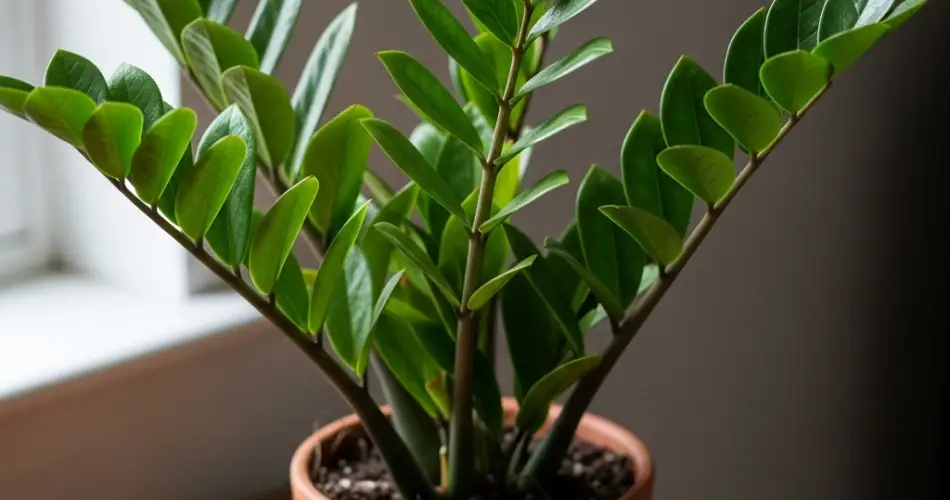
The ZZ plant (Zamioculcas zamiifolia) is a striking, low-maintenance houseplant renowned for its glossy, dark green leaves and upright growth. While it is hardy and resilient, ZZ plants benefit greatly from occasional pruning and propagation. These practices not only maintain the plant’s aesthetic appeal but also encourage new growth, prevent overcrowding, and allow gardeners to create new plants for other spaces or to share.
Understanding how to prune and propagate ZZ plants effectively ensures healthy foliage, balanced growth, and long-lasting vitality.
Why Pruning Matters
Pruning is essential for several reasons:
-
Remove dead or damaged leaves – Leaves that turn yellow or brown can detract from the plant’s appearance and may indicate underlying issues.
-
Control size and shape – ZZ plants can grow tall and wide; strategic pruning keeps them proportional for your space.
-
Encourage healthy growth – Removing older stems stimulates the plant to produce new shoots and maintains overall vitality.
-
Prevent disease – Dead or decaying foliage can harbor pests or fungal issues. Pruning reduces this risk.
Pruning does not have to be frequent; most ZZ plants only need attention once or twice a year, depending on their growth rate.
Pruning Techniques
Effective pruning requires the right tools and technique:
-
Use clean, sharp scissors or pruning shears – This prevents damage and reduces the risk of introducing disease.
-
Cut at the base – Trim yellowing or damaged leaves close to the rhizome to remove the entire stem.
-
Avoid excessive pruning – Removing too many leaves at once can stress the plant. Aim to remove only what is necessary.
-
Remove overcrowded stems – If stems are growing too closely together, thinning some out allows more light and air circulation, supporting healthier growth.
Regular observation helps identify which stems or leaves need trimming, keeping the ZZ plant looking neat and healthy.
Propagation Methods
ZZ plants are slow-growing, but propagation is straightforward if done correctly. There are three main propagation methods: leaf cuttings, stem cuttings, and division.
1. Leaf Cuttings
-
Select a healthy, mature leaf.
-
Cut the leaf at the base near the rhizome.
-
Allow the cutting to dry for a day or two to form a callus.
-
Place the leaf in moist, well-draining soil, standing upright.
-
Keep soil lightly moist and provide bright, indirect light.
-
Rooting may take several weeks to months, so patience is key.
2. Stem Cuttings
-
Choose a healthy stem with multiple leaves.
-
Cut the stem near the base.
-
Let the cutting dry for a day or two to prevent rot.
-
Plant the stem in a pot with well-draining soil.
-
Maintain light moisture and indirect sunlight.
-
Stem cuttings usually root faster than single leaves and may produce new shoots more quickly.
3. Division
-
This method is best when repotting an established ZZ plant.
-
Remove the plant from its container and gently separate the rhizomes, ensuring each section has roots and leaves.
-
Replant each division in a pot with fresh, well-draining soil.
-
Water lightly and allow the plants to acclimate before resuming normal care.
Division is often the fastest way to produce multiple mature plants, especially if your ZZ plant has become large and crowded.
Tips for Successful Propagation
-
Be patient – ZZ plants root slowly, so it may take several months for new growth to appear.
-
Maintain proper soil – Use a well-draining mix with perlite or sand to prevent cuttings from rotting.
-
Provide indirect light – Avoid direct sunlight, which can stress young cuttings.
-
Water cautiously – Keep the soil lightly moist but never soggy; overwatering is the main cause of failure in ZZ propagation.
Aftercare for Pruned and Propagated Plants
After pruning or propagating, ZZ plants benefit from a period of careful observation:
-
Avoid fertilizing immediately after pruning or repotting cuttings, as new growth is sensitive.
-
Maintain a consistent watering schedule using the “soak and dry” method.
-
Ensure the plant receives bright, indirect light to encourage healthy development.
-
Monitor for pests or fungal issues, particularly on cut surfaces.
Final Thoughts
Pruning and propagation are essential techniques for maintaining a healthy, attractive ZZ plant and creating new plants for your home or to share. By selectively trimming damaged leaves, controlling plant size, and propagating carefully using leaves, stems, or division, you can encourage robust growth and extend the life of your ZZ plant.
With patience and proper technique, these practices ensure that your ZZ plant remains a vibrant, long-lasting centerpiece in your indoor space while providing the opportunity to expand your collection or share its beauty with others.


