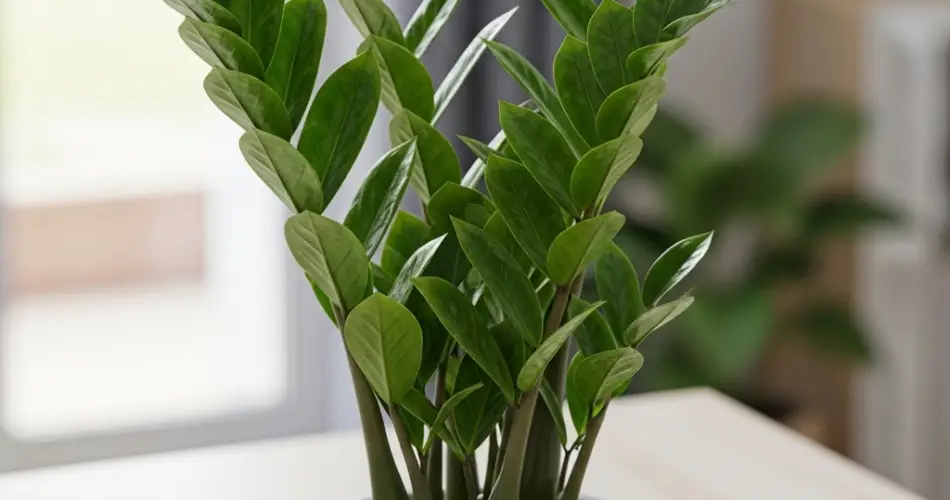
The ZZ plant (Zamioculcas zamiifolia) is one of the most resilient and low-maintenance houseplants available. Its glossy, dark green leaves and upright growth habit make it a popular choice for homes and offices. Despite its hardy reputation, the ZZ plant still requires proper soil, drainage, and potting techniques to reach its full potential and live a long, healthy life. Poor potting practices or inadequate soil can lead to root rot, slow growth, and other issues, even for this famously tough plant.
Understanding the right soil mix, ensuring proper drainage, and selecting the right container are essential steps to promote ZZ plant longevity.
Why Soil Matters
Soil is the foundation of your ZZ plant’s health. In the wild, ZZ plants grow in rocky, sandy soils that drain quickly. Their thick, fleshy rhizomes store water, which allows them to tolerate drought—but they are not adapted to soggy or compacted soil.
The ideal soil mix for a ZZ plant should:
-
Drain quickly to prevent root rot.
-
Allow airflow around the rhizomes to promote oxygenation.
-
Hold just enough moisture to support steady growth without waterlogging.
A dense, moisture-retentive potting mix is one of the most common causes of root problems, even for plants as tolerant as ZZ plants.
Best Soil Mixes for ZZ Plants
You can use a pre-made cactus or succulent soil, which is formulated for well-draining conditions. Alternatively, create your own mix for optimal control:
-
2 parts high-quality potting soil – provides base nutrients and support.
-
1 part perlite or pumice – improves drainage and aeration.
-
1 part coarse sand or orchid bark – encourages water to flow through the soil quickly.
This combination mimics the plant’s natural habitat, keeping rhizomes healthy and avoiding stagnant moisture.
Importance of Drainage
Even the best soil cannot compensate for poor drainage. Excess water around the roots is the fastest way to stress a ZZ plant.
-
Pots with drainage holes are essential. Water collects at the bottom of containers without holes, leading to rot.
-
Terracotta or clay pots are ideal because they are porous, allowing moisture to evaporate from the sides of the pot as well.
-
Avoid oversized pots. A container that is too large holds more soil than the plant needs, keeping it damp for longer periods.
If using decorative pots without holes, place the ZZ plant in a smaller pot with drainage and remove any standing water from the outer container after watering.
Potting Techniques for Success
Proper potting technique ensures your ZZ plant thrives:
-
Prepare the pot: Add a small layer of coarse material, like gravel, at the bottom to support drainage if desired.
-
Add soil: Fill the pot partially with your well-draining mix.
-
Position the plant: Place the ZZ plant so its rhizomes sit slightly above the soil line, not buried too deeply.
-
Fill gently: Add soil around the rhizomes, pressing lightly to stabilize the plant without compacting it.
-
Water carefully: After potting, allow a few days before watering to let the plant adjust.
Repotting every 2–3 years refreshes the soil, provides more room for growth, and allows you to inspect the rhizomes for any signs of rot.
Watering and Soil Care
ZZ plants store water in their rhizomes, so overwatering is a more common issue than underwatering. Follow the soak-and-dry approach:
-
Water thoroughly until it drains from the bottom.
-
Allow the soil to dry completely before watering again.
Check soil moisture by inserting your finger a few inches deep. If it feels dry, it’s time to water. Overwatering combined with poorly draining soil is the fastest route to root problems.
Additional Tips for Longevity
-
Light: ZZ plants tolerate low light but grow faster in bright, indirect light. Avoid direct sun, which can scorch leaves.
-
Fertilizing: Feed lightly during the growing season (spring and summer) with a balanced liquid fertilizer diluted to half strength. Avoid fertilizing in fall and winter.
-
Avoid drafts: Protect from sudden temperature changes and cold drafts, which can stress the plant.
-
Leaf care: Wipe leaves occasionally to remove dust and encourage efficient photosynthesis.
Final Thoughts
While ZZ plants are known for their resilience, proper soil, drainage, and potting practices are critical for their longevity. A well-draining, airy soil mix paired with a pot that allows excess water to escape ensures the rhizomes remain healthy and the plant continues to grow steadily.
By combining the right soil, proper drainage, careful potting, and mindful watering, your ZZ plant can thrive for many years, providing glossy foliage and low-maintenance beauty for your indoor spaces. With these practices, you set a strong foundation for a long-lived, robust plant that rewards care with consistent growth and impressive durability.


