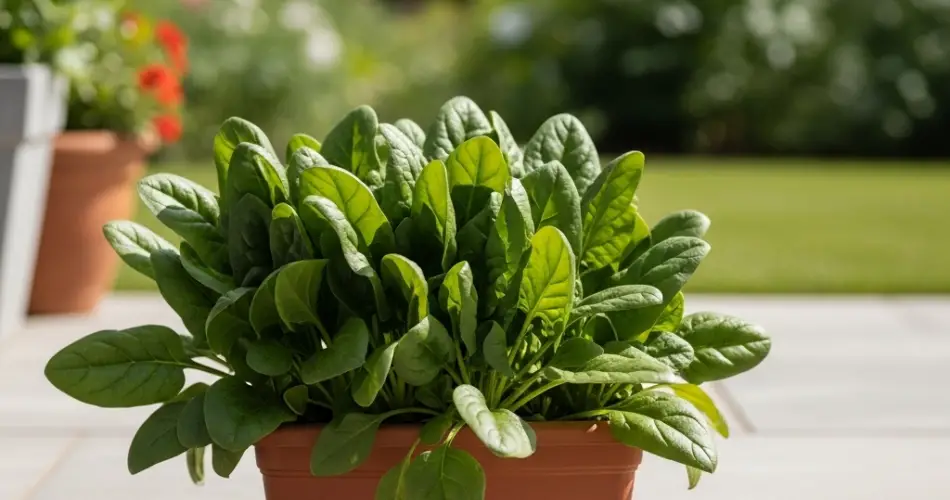
Spinach is one of the most versatile and easy-to-grow leafy greens, making it perfect for container gardening. Whether you have a small balcony, sunny windowsill, or rooftop garden, spinach thrives in compact spaces and can be grown throughout the year with proper care. With a fast growth cycle and high nutritional value, it’s an excellent choice for anyone looking to harvest fresh, homegrown produce no matter the season.
This guide covers everything you need to know to successfully grow spinach in containers all year round.
Why Spinach is Ideal for Container Gardening
Spinach (Spinacia oleracea) grows well in shallow containers and requires minimal maintenance. Its compact root system and rapid growth make it a great crop for limited spaces. More importantly, you can control growing conditions such as soil quality, water, and exposure to sunlight, which is crucial for year-round cultivation.
Another benefit of container gardening is mobility. You can move your spinach pots to follow the sun in cooler months or provide shade during hot weather, helping the plants thrive regardless of the climate.
Choosing the Right Container
Spinach doesn’t require deep pots. A container that’s 6 to 8 inches deep is enough for healthy root development. You can use:
-
Plastic or clay pots
-
Fabric grow bags
-
Rectangular window boxes
-
Repurposed plastic containers or buckets
Make sure your container has adequate drainage holes to prevent root rot. If you’re reusing containers, wash them thoroughly and poke holes in the base if needed. Place a tray underneath to catch excess water.
Soil Preparation
Spinach prefers loose, nutrient-rich, and well-draining soil. A good mix for containers includes:
-
1 part compost or well-rotted manure
-
1 part coco peat or peat moss
-
1 part perlite or coarse sand
This blend provides good aeration and moisture retention. The ideal soil pH for spinach is between 6.0 and 7.0. To improve fertility, incorporate organic compost or a slow-release organic fertilizer before planting.
Selecting the Right Spinach Variety
Choose spinach varieties that match your climate and growing goals:
-
Savoy spinach: Cold-hardy with crinkled leaves.
-
Semi-savoy: Easier to clean with slightly crinkled leaves.
-
Flat-leaf spinach: Grows quickly and is easy to harvest.
-
Baby spinach: Perfect for tender salads and quick harvests.
For year-round growth, look for bolt-resistant or heat-tolerant types during summer months.
Planting Spinach in Containers
-
Seed Sowing
Sow seeds ½ inch deep, spacing them 2 inches apart. For baby leaves, you can sow closer together. Cover lightly with soil and water gently. -
Germination
Spinach seeds usually germinate within 7–14 days. Keep the soil moist but not soggy. Avoid letting the soil dry out, especially during the early stages. -
Thinning
Once seedlings grow 2–3 inches tall, thin them by snipping weaker plants, leaving 4–6 inches between the stronger ones for full-sized growth.
Lighting and Temperature Needs
Spinach prefers cool temperatures between 50°F and 70°F (10°C to 21°C). It can tolerate light frosts but bolts quickly in hot weather. Here’s how to manage light and temperature across seasons:
-
Spring/Fall: Place containers in full sun (4–6 hours daily).
-
Summer: Offer partial shade or move containers to a cooler spot to prevent bolting.
-
Winter: Use cloches, cold frames, or bring pots indoors near a bright window or under grow lights.
Watering and Fertilizing
Keep the soil consistently moist. Water when the top inch feels dry, but don’t let it get soggy. Overwatering can lead to root rot and fungal diseases.
For fertilization:
-
Use a nitrogen-rich liquid fertilizer every 2–3 weeks.
-
Alternatively, apply compost tea or worm castings to support leafy growth.
Avoid over-fertilizing, which can cause excessive leaf growth at the expense of flavor and texture.
Pest and Disease Management
Spinach grown in containers has fewer pest problems, but keep an eye out for:
-
Aphids
-
Leaf miners
-
Fungal diseases like downy mildew
Use neem oil sprays or insecticidal soap to treat infestations. Remove affected leaves and ensure good air circulation around the containers.
Harvesting Spinach
Spinach can be harvested within 4–6 weeks of sowing. You can either:
-
Pick individual outer leaves when they’re about 4–6 inches long.
-
Harvest the whole plant if you need a large batch or if the plant is nearing the end of its life cycle.
For continuous supply, use the “cut-and-come-again” method—harvesting a few leaves at a time while allowing the rest to grow.
Tips for Year-Round Growth
-
Succession Planting: Sow a new batch every 2–3 weeks to keep the harvest going.
-
Rotate Locations: Move containers based on the sun’s position and temperature changes.
-
Indoor Setup: During extreme weather, grow spinach indoors with grow lights or near a south-facing window.
-
Use Mulch: A thin layer of straw or shredded leaves helps retain soil moisture and regulate temperature.
Conclusion
With the right container, soil mix, and growing conditions, spinach can be grown throughout the year even in limited space. Its fast growth, adaptability, and nutritional benefits make it a smart choice for container gardening. Whether you’re a beginner or an experienced gardener, cultivating spinach in containers ensures you have a constant supply of fresh, healthy greens at your fingertips—no backyard required.


