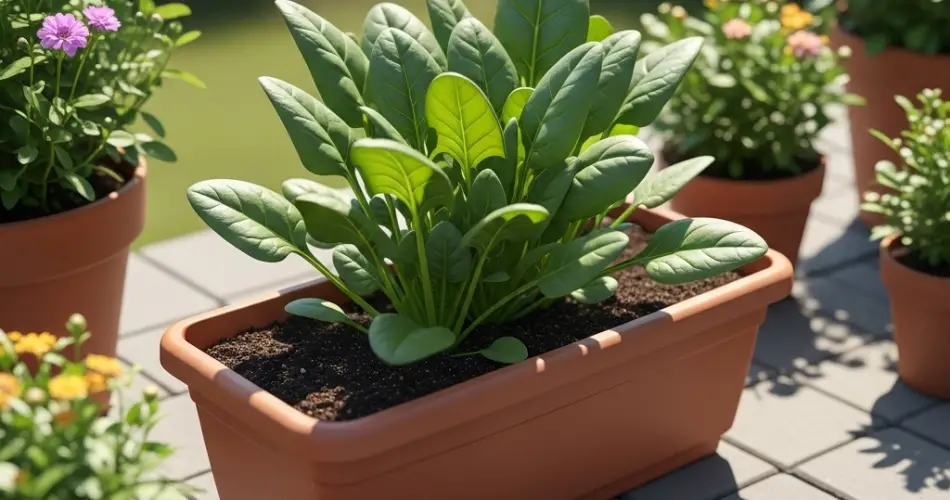
Growing spinach in small pots is one of the easiest and most rewarding ways to enjoy fresh, nutritious greens right at home. Whether you’re working with a balcony, patio, windowsill, or tiny urban garden, spinach is a compact crop that adapts beautifully to container growing. With just a little space and care, you can harvest vibrant, iron-rich leaves for salads, smoothies, or stir-fries.
Here’s a comprehensive guide to growing quick and healthy spinach in small pots—no backyard needed!
Why Spinach is Perfect for Pots
Spinach is a cool-season vegetable with shallow roots and a fast growth cycle. Its compact nature makes it an ideal candidate for small containers. You don’t need a raised bed or large garden space—just a few pots, some good soil, and access to natural light. It’s also a perfect choice for beginners, as spinach is relatively forgiving and quick to sprout.
Choosing the Right Variety
Several spinach varieties are well-suited to pots. Choose the type that best suits your climate and taste:
-
Baby spinach: Tender leaves and quick growth, perfect for salads.
-
Savoy spinach: Crinkled leaves and very cold-hardy.
-
Semi-savoy: A balance between texture and ease of cleaning.
-
Flat-leaf spinach: Smooth leaves, easy to wash and ideal for cooking.
All of these can thrive in small containers, as long as the basic care requirements are met.
What You’ll Need
To get started with spinach in pots, gather these essentials:
-
Pots or containers (6–8 inches deep with good drainage holes)
-
High-quality potting soil (well-draining and rich in organic matter)
-
Spinach seeds
-
Watering can or spray bottle
-
Optional: organic compost or balanced fertilizer
You can also reuse plastic bottles, food containers, or fabric grow bags, as long as they provide adequate depth and drainage.
Planting Guide
1. Prepare the Pots
Fill your pots with moist potting mix, leaving about an inch of space from the rim. Choose containers that are at least 6 inches deep to support root growth.
2. Sow the Seeds
Scatter spinach seeds evenly over the surface of the soil and cover with a thin layer (about ½ inch) of soil. Lightly pat the surface and mist with water. Keep the soil consistently moist until germination occurs, usually within 7 to 10 days.
For continuous harvests, sow a few seeds every two weeks to stagger the growth.
3. Position for Light
Place the pots in a location that receives at least 4–6 hours of sunlight daily. Spinach prefers cooler temperatures (between 10°C to 21°C / 50°F to 70°F), so partial shade during warm afternoons is beneficial in hotter climates.
4. Watering Routine
Water regularly to keep the soil evenly moist, but not soggy. Spinach needs consistent moisture, especially during germination and early growth. Avoid overhead watering once the plant matures, as wet leaves can lead to fungal issues.
5. Feeding Your Plants
If your potting mix isn’t pre-fertilized, add a diluted organic liquid fertilizer or compost tea every two to three weeks. Too much nitrogen may encourage leaf growth but delay maturity, so balance is key.
Ongoing Care and Harvesting
Thin the seedlings once they are a few inches tall, leaving about 3–4 inches between each plant. This gives them room to grow and promotes healthy leaves.
You can begin harvesting baby leaves as soon as they’re about 4 inches long. Use the “cut-and-come-again” method by snipping the outer leaves first while allowing the center to continue growing. Alternatively, wait for the plant to mature and harvest the entire bunch.
For maximum flavor and crispness, harvest in the early morning when the leaves are cool and hydrated.
Common Problems and Solutions
-
Bolting: If temperatures get too warm, spinach may start to bolt (produce flowers), which makes the leaves bitter. Move pots to a cooler, shaded area to delay this process.
-
Pests: Watch out for aphids, leaf miners, and slugs. Use neem oil, introduce companion plants like garlic, or handpick pests as needed.
-
Yellowing leaves: This could indicate overwatering, poor drainage, or nutrient deficiencies. Adjust your watering schedule and consider enriching the soil with compost.
Tips for Success
-
Succession sowing: For a continuous supply of fresh spinach, plant new seeds every 10–14 days.
-
Rotate pots: If light is uneven, rotate your containers every few days for even growth.
-
Use mulch: A light layer of straw or dried leaves helps retain moisture and suppress weeds.
Final Thoughts
Spinach is one of the most space-efficient and nutritious greens you can grow in small pots. With proper care, it grows quickly and can supply your kitchen with fresh greens for weeks. Whether you’re filling a salad bowl or adding nutrients to your meals, spinach from your own mini-garden is always the healthier, fresher option.
Start small, stay consistent, and enjoy the satisfaction of harvesting your own spinach—even if you only have a few pots on a windowsill.


