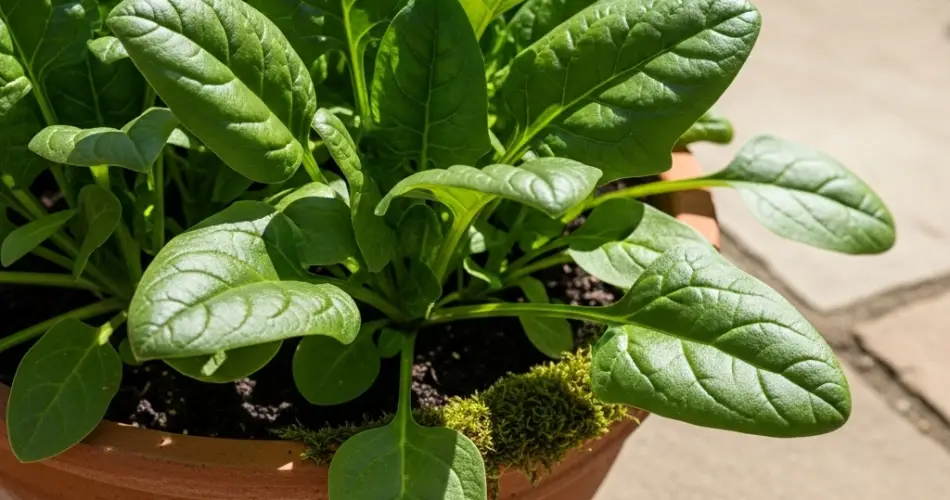
Spinach is a fast-growing, nutrient-rich leafy green that thrives in small spaces. With just a few containers and the right care, you can enjoy a steady supply of fresh spinach right at home. Whether you live in an apartment, have limited outdoor space, or want to try a simple gardening project, container-grown spinach is an excellent choice for beginners and seasoned growers alike.
This step-by-step guide will help you grow healthy spinach from pot to plate with minimal effort and space.
Why Spinach is Perfect for Containers
Spinach has shallow roots and grows quickly, making it ideal for container gardening. You don’t need deep planters or large spaces—just the right soil mix, sunlight, and consistent moisture. Spinach grows best in cool temperatures and is well-suited for early spring and fall planting. With proper care, it can even thrive year-round in mild climates.
Container gardening gives you control over soil conditions, limits pests and weeds, and allows you to grow spinach on balconies, patios, rooftops, or windowsills.
Choosing the Right Container
Spinach doesn’t require deep pots. A container 6 to 8 inches deep is sufficient, though larger containers allow for more plants and better moisture retention. You can use:
-
Plastic pots
-
Wooden boxes
-
Grow bags
-
Window boxes
-
Repurposed food containers or buckets
Ensure each container has drainage holes at the bottom to prevent water from pooling, which can cause root rot. If repurposing containers, drill several holes and place a tray underneath to catch excess water.
Best Soil for Spinach
Spinach prefers loose, well-draining, and nutrient-rich soil. Use a high-quality potting mix with good aeration. You can create your own mix using:
-
1 part compost
-
1 part coco peat or peat moss
-
1 part perlite or sand
Spinach grows best in slightly acidic to neutral soil with a pH between 6.0 and 7.0. Before planting, mix in compost or organic matter to improve fertility. Avoid using plain garden soil, which can be too dense and may carry pests or diseases.
Selecting Spinach Varieties
There are many spinach varieties, and most grow well in containers. Choose based on your climate and preference:
-
Savoy spinach: Crinkled leaves, cold-tolerant.
-
Semi-savoy: Slightly crinkled leaves, easier to clean.
-
Flat-leaf spinach: Smooth leaves, grows quickly, and easy to harvest.
-
Baby spinach: Tender leaves, perfect for salads and quick harvest.
Look for quick-maturing or bolt-resistant varieties if you’re growing in warmer weather.
How to Plant Spinach in Containers
-
Sow Seeds
Fill your container with moistened potting mix. Sow seeds about ½ inch deep and 2 inches apart. You can sprinkle them more densely if you plan to harvest baby leaves. Lightly cover the seeds with soil and water gently. -
Thinning
Once the seedlings have 2–3 leaves, thin them out by snipping the weaker ones at soil level, leaving 4–6 inches between mature plants for full-size growth. -
Watering
Keep the soil evenly moist, especially during germination and dry weather. Water regularly but avoid waterlogging. Spinach is sensitive to drought and may bolt (flower prematurely) if stressed. -
Sunlight
Spinach prefers 4–6 hours of direct sunlight daily. In hot climates, offer partial shade to prevent bolting. In cooler regions, place containers in full sun.
Caring for Your Spinach Plants
-
Fertilizing: Spinach is a leafy green, so it benefits from nitrogen-rich fertilizer. Use a balanced organic fertilizer every 2–3 weeks, or mix in compost at planting time.
-
Mulching: Apply a thin layer of mulch (like straw or coco coir) to retain moisture and regulate temperature.
-
Pest Control: Watch for aphids, leaf miners, and slugs. Use organic pest control methods like neem oil, or remove pests by hand. Healthy soil and good airflow help reduce pest issues.
When and How to Harvest
Spinach is ready to harvest in about 30–45 days. You can harvest leaves when they’re about 4–6 inches long. There are two common methods:
-
Cut-and-come-again: Snip outer leaves first, leaving the center intact. This allows the plant to continue producing new leaves.
-
Full harvest: For mature plants, cut the entire plant at the base if you’re done harvesting.
Harvest early in the morning for the crispest, sweetest leaves.
Tips for Success
-
Succession planting: Sow new seeds every two weeks to ensure a continuous harvest throughout the growing season.
-
Avoid overcrowding: Proper spacing prevents disease and allows better airflow.
-
Shade in heat: Provide shade during midday if temperatures are above 75°F (24°C) to slow bolting.
Conclusion
Growing spinach in containers is an easy, efficient way to enjoy fresh greens without a traditional garden. With just a few simple materials and a bit of care, you can grow spinach from seed to harvest and enjoy it in salads, smoothies, or cooked dishes right from your home. Whether you’re a beginner gardener or simply working with limited space, spinach is a smart and rewarding choice for container growing.


