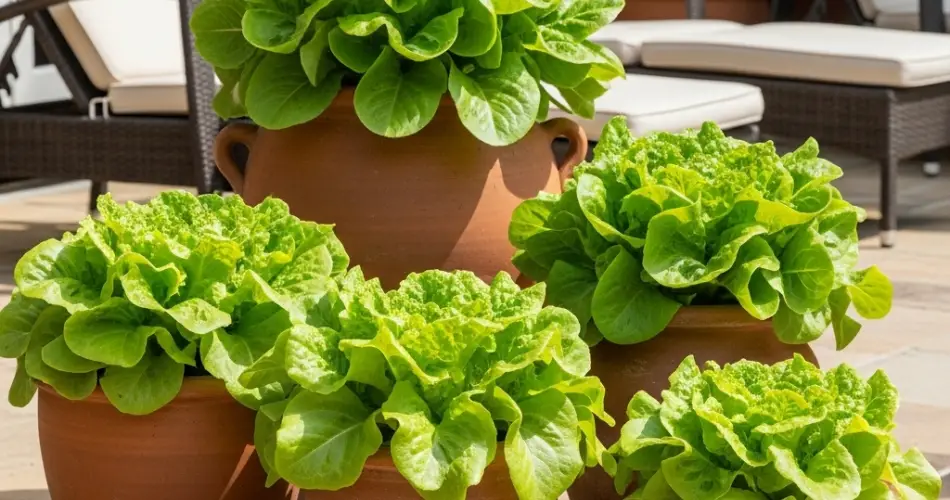
Growing lettuce doesn’t require a large backyard or even a garden plot. With the right approach, you can grow crisp, delicious lettuce right in pots on your balcony, patio, or even a sunny windowsill. Container gardening is ideal for urban dwellers, apartment residents, or anyone looking to make the most of limited space. Lettuce thrives in pots and can produce an abundant harvest with just a little care.
Here’s a complete guide to growing perfect lettuce in containers—no yard required.
Why Lettuce is Ideal for Pot Cultivation
Lettuce is a fast-growing leafy green with shallow roots, making it perfect for pots and small planters. It’s low-maintenance, adaptable to cooler temperatures, and can be grown in partial sun. Whether you’re interested in romaine, butterhead, or looseleaf varieties, all types of lettuce are well-suited for containers. With a bit of planning, you can harvest fresh greens for your meals right from your porch or kitchen window.
Choosing the Right Lettuce Varieties
When selecting lettuce to grow in pots, consider these popular varieties:
-
Looseleaf Lettuce: These are easy to grow and harvest. They don’t form heads and are harvested by the leaf.
-
Romaine (Cos): Upright and space-efficient, romaine grows well in narrow containers.
-
Butterhead (e.g., Bibb, Boston): These produce small, tender heads with a soft texture.
-
Oakleaf Lettuce: Known for its ornamental appearance and great taste.
All of these can be planted as seeds or seedlings and will adapt well to container life.
Supplies You’ll Need
To grow lettuce successfully in pots, prepare the following:
-
Pots or containers (at least 6–8 inches deep with good drainage)
-
High-quality potting soil (loose, rich, and moisture-retentive)
-
Lettuce seeds or seedlings
-
Watering can or spray bottle
-
Optional: organic fertilizer or compost
Pots can be plastic, ceramic, or even upcycled containers as long as they have holes for drainage.
Step-by-Step Planting Instructions
1. Prepare Your Containers
Fill your containers with a light, well-draining potting mix. Avoid using garden soil, as it tends to be too dense and can hinder root growth in pots. Water the soil slightly to moisten it before planting.
2. Planting the Seeds or Seedlings
If starting from seed, sprinkle the seeds over the soil surface and cover lightly with a thin layer of soil—no deeper than ¼ inch. Mist the soil to keep it moist. For seedlings, dig small holes in the soil and gently place them in, spacing about 4–6 inches apart.
Keep containers in a location that gets 4–6 hours of sunlight daily. Lettuce prefers cooler temperatures, so morning sun and afternoon shade are ideal.
3. Watering Consistently
Lettuce loves moist soil, but it doesn’t like sogginess. Water regularly—preferably in the morning—to keep the soil consistently damp but not wet. During hotter months, check your containers more frequently and adjust watering to prevent drying out.
4. Feeding Your Lettuce
Use a diluted organic fertilizer or compost tea every two to three weeks to promote lush growth. Avoid overfeeding, as this can cause the leaves to grow too fast and lose their tender texture.
Harvesting Tips
Lettuce can be harvested in two ways:
-
Cut-and-come-again: Trim outer leaves once they’re 4–6 inches tall, leaving the center of the plant to continue growing.
-
Full head harvest: Wait until the head has fully matured and cut the entire plant at the base.
Harvest in the early morning for the crispest leaves. Regular harvesting encourages new growth and prolongs the productive life of the plant.
Troubleshooting Common Issues
-
Bolting: In warm temperatures, lettuce may start flowering. When this happens, the leaves become bitter. To avoid bolting, provide partial shade and consistent moisture.
-
Pests: Watch for aphids or slugs. Use neem oil spray or handpick pests when needed.
-
Leggy Growth: This usually means the plants aren’t getting enough light. Move containers to a sunnier spot if needed.
Extra Tips for Success
-
Grow in batches: Sow seeds every two weeks for a continuous harvest.
-
Rotate pots: If your balcony receives uneven light, rotate containers every few days.
-
Use mulch: A thin layer of straw or dried leaves on top of the soil helps retain moisture and prevent weeds.
Final Thoughts
Lettuce is one of the easiest and most rewarding crops to grow in pots. It doesn’t require much space, grows quickly, and can be harvested continuously. With minimal effort, you can enjoy a steady supply of fresh, homegrown lettuce right from your patio or balcony.
Even if you’re working with a small space, container gardening makes it possible to enjoy fresh greens year-round. With just a few pots, some quality soil, and regular watering, you’ll be serving salads with homegrown ingredients in no time.


