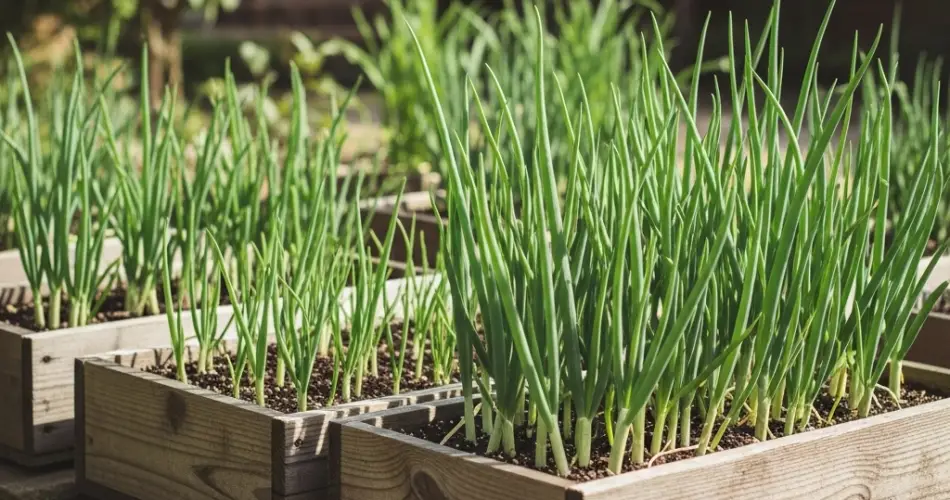
Scallions, also known as green onions or spring onions, are one of the easiest and most rewarding crops to grow at home. Their mild flavor makes them a versatile addition to countless dishes, from soups and salads to stir-fries and garnishes. Unlike other crops that require long growing periods and large plots of land, scallions can be harvested in just a few weeks and thrive in small spaces. One of the most practical methods for growing scallions at home is using wooden box containers. Not only are they space-efficient and eco-friendly, but they also add a rustic charm to your garden, balcony, or patio.
Why Grow Scallions in Wooden Boxes?
Wooden containers provide several advantages over traditional gardening beds or plastic pots. First, wood acts as a natural insulator, keeping the soil temperature stable and helping roots stay comfortable. Second, wooden boxes are sturdy and long-lasting, capable of supporting repeated harvests. They can be built to almost any size, allowing you to grow a handful of scallions in a small box or larger quantities in wider planters.
In addition, wooden boxes allow better control of soil quality. Unlike garden soil, which may be too compact or poor in nutrients, container soil can be customized for scallions’ needs. The elevated design also reduces issues with weeds and soil-borne pests, making care and harvesting easier.
Choosing the Right Wooden Box
Scallions don’t require deep soil because their root systems are shallow. A wooden box about 6 to 8 inches deep is sufficient. The width and length depend on how many plants you want to grow. For continuous harvests, consider a medium to large box where you can sow seeds in rows or scatter them across the surface.
Always make sure the box has drainage holes at the bottom to prevent waterlogging. Use untreated wood, such as cedar or pine, which resists rot and is safe for edible plants. If you’re repurposing old wood, make sure it is clean and free from chemicals.
Preparing the Soil
Scallions prefer well-draining, loose, and fertile soil. A good soil mix for wooden containers includes:
-
One part garden soil or topsoil
-
One part compost for fertility
-
One part sand, perlite, or coconut coir for drainage and aeration
Scallions grow best in slightly acidic to neutral soil with a pH between 6.0 and 7.0. Before planting, mix in a small amount of organic fertilizer or compost to ensure nutrients are available. Since scallions are relatively light feeders compared to other vegetables, they don’t require heavy fertilization.
Planting Scallions
There are two main methods for growing scallions in wooden containers: from seeds or from sets (small bulbs).
-
From seeds: Sow seeds about ½ inch deep and 1 inch apart in rows. Cover lightly with soil and water gently. Seeds usually germinate within 7 to 14 days.
-
From sets or kitchen scraps: If you have small onion bulbs or leftover scallion roots, plant them directly in the soil with the green tips facing upward. This method produces faster results, often yielding harvestable greens within a few weeks.
For a continuous supply, plant seeds every two to three weeks in succession. This ensures new growth is always on the way.
Watering and Sunlight
Scallions thrive in full sun but also tolerate partial shade, making them versatile for different spaces. Aim for at least 6 hours of sunlight daily for the best growth.
Because they are shallow-rooted, scallions require consistent moisture. Wooden boxes can dry out faster than garden beds, so check soil regularly and water when the top inch feels dry. Avoid overwatering, as soggy soil can lead to root rot. Mulching with straw or dried leaves helps conserve moisture and keeps weeds at bay.
Fertilization and Care
Scallions don’t need heavy feeding, but a light application of liquid fertilizer such as compost tea or fish emulsion every three weeks will boost growth. If leaves turn pale, it may indicate nitrogen deficiency, in which case a small dose of nitrogen-rich fertilizer will help.
Scallions generally face fewer pest problems, though aphids and thrips may appear. These can be managed with neem oil sprays or insecticidal soap. Good air circulation around the plants also helps prevent fungal issues.
Harvesting Scallions
Scallions are ready for harvest when they reach pencil thickness, usually 6 to 8 weeks after planting from seeds, or sooner if grown from sets. Use scissors or gently pull them out of the soil. If you want a continuous harvest, cut the greens about an inch above the soil instead of pulling the whole plant. The roots will regrow, allowing for multiple cuttings from the same plants.
For the freshest taste, harvest scallions just before cooking or serving. They can be stored in the refrigerator for up to a week, but freshly picked scallions deliver the best flavor and texture.
Benefits of Wooden Box Scallion Gardening
Growing scallions in wooden containers has many advantages:
-
Space efficiency: Ideal for small gardens, balconies, or patios.
-
Quick harvests: Scallions mature faster than many vegetables.
-
Low maintenance: Easy to grow with minimal care.
-
Soil control: Customizable growing medium with fewer weeds.
-
Aesthetic appeal: Rustic wooden boxes add charm to your space.
Final Thoughts
Wooden box gardening makes it simple to enjoy fresh scallions at home, even if you don’t have a traditional garden. With the right container, soil preparation, and consistent care, you can harvest flavorful green onions throughout the year. Whether you use them to garnish soups, season stir-fries, or add freshness to salads, scallions grown in your own rustic containers will elevate your meals and provide the satisfaction of homegrown produce.


