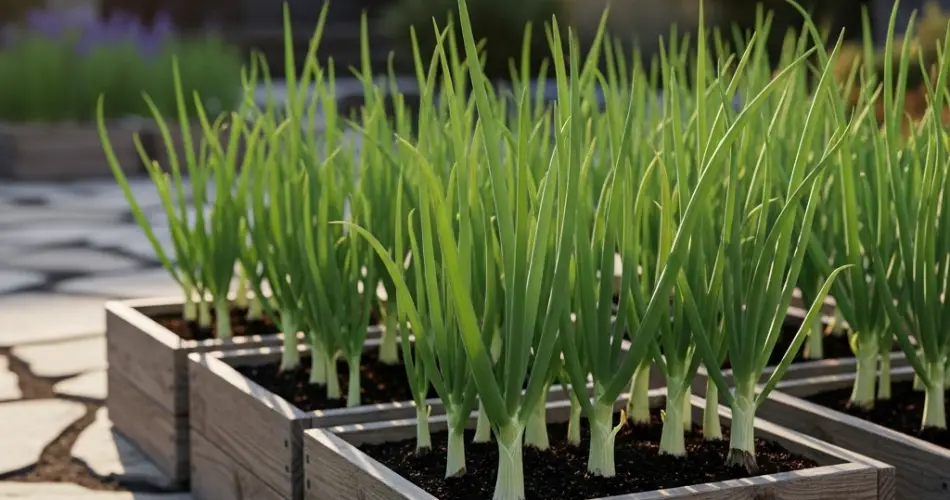
Scallions, also known as green onions or spring onions, are versatile, easy-to-grow vegetables that add a fresh, crisp flavor to many dishes. They thrive in a variety of growing conditions and are ideal for container gardening, making them perfect for urban spaces, balconies, patios, or small gardens. Using rustic wooden containers not only provides the right environment for scallions to grow but also adds charm to your home garden. This guide will walk you through the steps to grow healthy scallions in wooden boxes.
Choosing the Right Wooden Container
The first step in cultivating scallions is selecting an appropriate wooden container. Scallions have shallow roots, so a container that is at least 6–8 inches deep and 12–18 inches wide works well. Ensure the wooden box has drainage holes to prevent waterlogging, which can cause root rot. Untreated wood, such as cedar or redwood, is preferable because it resists decay naturally. If you use treated wood, make sure it is labeled as food-safe to avoid chemical contamination. The rustic design of wooden containers also adds an aesthetic appeal to any garden or balcony.
Preparing the Soil
Scallions prefer fertile, well-draining soil with a slightly acidic to neutral pH (6.0–7.0). Prepare the wooden container by mixing garden soil with organic compost and a small amount of sand or perlite. Compost enriches the soil with nutrients and helps retain moisture, while sand or perlite ensures good drainage. Fill the container about an inch below the top to leave space for watering. Adding a slow-release organic fertilizer or well-rotted compost provides a nutrient boost for healthy growth.
Selecting Scallion Varieties
Several scallion varieties are suitable for container gardening, including bunching types and small bulb-forming types. Bunching varieties, such as ‘Evergreen White’ and ‘White Lisbon,’ are ideal for continuous harvest, as they can be picked gradually without uprooting the plant. Small bulb-forming types can also thrive in containers, producing tender, flavorful bulbs alongside their green tops. Choosing the right variety ensures optimal growth and a plentiful supply for culinary use.
Planting Scallions
Scallions can be grown from seeds, sets, or seedlings. Seeds are usually sown directly into the container, while sets and seedlings can be transplanted for faster results. If planting seeds, sow them about 1/4–1/2 inch deep, spacing them 1–2 inches apart. Cover lightly with soil and water gently. For sets or seedlings, plant them at the same depth they were previously growing, spacing each plant 1–2 inches apart. Keep the soil consistently moist until seedlings establish roots.
Watering and Fertilizing
Scallions require regular moisture for optimal growth. Water the wooden container whenever the top inch of soil feels dry, ensuring thorough watering without waterlogging. Mulching with straw or shredded leaves can help retain moisture and prevent weeds. Fertilize every 3–4 weeks with a balanced organic fertilizer or compost tea. Nitrogen-rich fertilizers promote leafy growth, which is particularly important for the tender green tops of scallions.
Sunlight Requirements
Scallions grow best in full sun but can tolerate partial shade. Aim for at least 6 hours of direct sunlight daily for robust growth. Place your wooden container in a sunny spot on your balcony, patio, or garden. If natural sunlight is insufficient, supplemental grow lights can help maintain healthy growth and ensure a steady supply of green onions.
Managing Pests and Diseases
Container-grown scallions are generally low-maintenance but can attract pests such as aphids, thrips, or onion maggots. Inspect plants regularly and remove any affected leaves. Organic treatments, like neem oil or insecticidal soap, are effective for controlling infestations. Proper spacing and good air circulation around the container reduce the risk of fungal diseases, which can develop in damp conditions.
Harvesting Scallions
Scallions can be harvested as soon as they reach a usable size, typically when they are 6–8 inches tall. For continuous harvest, trim the green tops rather than pulling up the entire plant, allowing the remaining roots to regrow. If you are growing small bulb-forming types, wait until the bulbs reach the desired size before harvesting. Frequent harvesting encourages new growth and ensures a constant supply of fresh scallions.
Benefits of Growing Scallions in Wooden Containers
Using rustic wooden containers for scallions maximizes limited space, provides control over soil quality, and protects plants from soil-borne diseases. Wooden boxes also add visual appeal to small gardens and outdoor spaces while offering easy access to fresh, flavorful greens. Container gardening makes it possible to grow scallions year-round, even in urban settings, allowing home cooks to enjoy fresh, crisp green onions whenever needed.
By selecting the right container, preparing nutrient-rich soil, choosing suitable varieties, and maintaining proper care, you can successfully cultivate scallions in rustic wooden containers. This method of gardening is practical, aesthetically pleasing, and highly rewarding, making it an ideal choice for both beginner and experienced gardeners looking to grow fresh produce in limited spaces.


