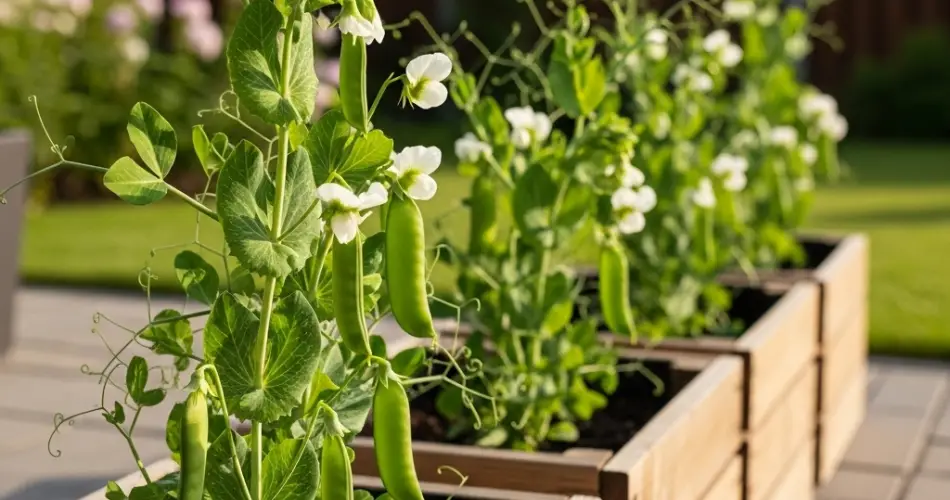
Growing peas in wooden boxes is a simple and rewarding way to enjoy fresh, homegrown vegetables even in limited spaces. Whether you have a balcony, patio, or small garden, container gardening allows you to cultivate sweet, tender peas with minimal effort. Wooden boxes not only provide a practical growing environment but also add a rustic charm to any outdoor space. This step-by-step guide will help you plant, care for, and harvest peas successfully in wooden containers.
Choosing the Right Wooden Box
The first step in planting peas is selecting a suitable wooden container. Peas need enough root space, proper drainage, and a stable structure to support climbing varieties. A wooden box at least 10–12 inches deep and 12–24 inches wide is ideal for a small group of plants. Ensure the container has drainage holes to prevent water accumulation, which can lead to root rot. Untreated wood, such as cedar or redwood, is preferred because it resists decay naturally. If using treated wood, make sure it is labeled food-safe to avoid chemical contamination.
Preparing the Soil
Peas grow best in fertile, well-draining soil with a slightly acidic to neutral pH (6.0–7.0). Prepare the wooden box by mixing garden soil with organic compost and a small amount of sand or perlite. Compost enriches the soil with nutrients and retains moisture, while sand or perlite ensures proper drainage. Fill the container about an inch below the top to leave room for watering. Incorporating a slow-release organic fertilizer or well-rotted compost at the time of planting will help the peas establish strong roots and vigorous growth.
Selecting Pea Varieties
Peas come in different types, including shelling peas, snap peas, and snow peas. Shelling peas are grown for their seeds, snap peas are eaten whole, and snow peas have flat, tender pods suitable for stir-fries. For wooden boxes, compact bush varieties are ideal for limited space, while climbing types can be grown with a trellis or netting. Popular container-friendly varieties include ‘Little Marvel,’ ‘Sugar Snap,’ and ‘Oregon Giant.’ Choosing the right variety ensures optimal growth and a bountiful harvest.
Planting Peas
Peas are typically planted from seeds. Sow seeds directly into the wooden box at a depth of 1–2 inches. Space bush varieties 2 inches apart and climbing varieties 3–4 inches apart. If planting climbing peas, install a trellis, netting, or small stakes at the time of sowing to support future growth. Water the seeds gently after planting, keeping the soil consistently moist until germination, which generally occurs within 7–14 days depending on temperature and variety.
Watering and Fertilizing
Peas require consistent moisture to develop strong roots and tender pods. Water the container whenever the top inch of soil feels dry, ensuring excess water drains freely. Mulching with straw or shredded leaves helps retain soil moisture and suppress weeds. Fertilization is usually minimal, as peas are nitrogen-fixing plants that produce some of their own nitrogen. However, a light application of balanced organic fertilizer during the early stages can encourage healthy growth. Avoid excessive nitrogen, which may promote leafy growth at the expense of pod production.
Sunlight Requirements
Peas thrive in full sun, needing at least 6–8 hours of direct sunlight each day. Place your wooden box in a bright location such as a balcony, patio, or sunny garden area. If sunlight is insufficient, supplemental grow lights can help maintain steady growth and support flowering and pod formation.
Supporting the Plants
Climbing pea varieties require support to grow properly. Guide young stems onto the trellis or netting and gently tie them if needed. Bush varieties generally do not require support, but adequate spacing and good air circulation help prevent fungal diseases. Inspect the plants regularly for pests such as aphids or pea weevils and manage any infestations using organic solutions like neem oil or insecticidal soap.
Harvesting Peas
The timing of harvest depends on the type of pea. Snap and snow peas should be picked when pods are firm, crisp, and still tender, while shelling peas are harvested when seeds are fully formed but still sweet. Regular harvesting encourages continuous production and prevents pods from becoming tough or starchy. Use gentle hands or scissors to remove pods without damaging the plant.
Benefits of Wooden Box Pea Gardening
Growing peas in wooden boxes maximizes limited space, allows control over soil quality, and protects plants from soil-borne diseases. Wooden boxes also add rustic charm to balconies or patios and make fresh peas accessible throughout the growing season. Container gardening is a practical, manageable, and sustainable way for urban gardeners to enjoy the satisfaction of homegrown produce.
By choosing the right container, preparing nutrient-rich soil, selecting suitable varieties, and providing consistent care, gardeners can achieve a successful pea harvest in small spaces. Wooden box gardening combines convenience, aesthetics, and productivity, making it an excellent choice for anyone seeking fresh, flavorful peas at home.


