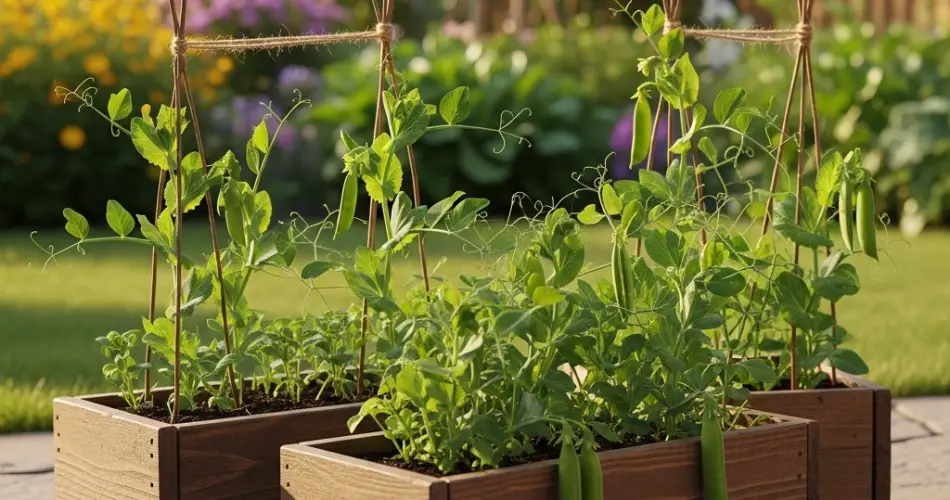
Peas are among the most satisfying cool-season crops to grow at home. They are fast-growing, nutritious, and can be harvested fresh for a crisp, sweet flavor that store-bought peas rarely match. Even if you don’t have a large garden, peas adapt well to container growing, making them an excellent choice for patios, balconies, or small backyards. Using rustic wooden containers not only provides the right growing conditions but also adds charm to your gardening space. With a little planning and care, you can enjoy an abundant harvest of peas right from your wooden planters.
Why Choose Wooden Containers for Peas?
Wooden containers offer several benefits for pea cultivation. Unlike plastic pots, which can heat up quickly and dry out soil, wood provides natural insulation that helps regulate soil temperature. This is especially important for peas, which prefer cooler conditions. Wooden planters are also sturdy, long-lasting, and can be customized to fit your space. In addition, their rustic appearance enhances the overall look of your garden, making them both practical and decorative.
Another advantage is control. By growing peas in containers, you can create the perfect soil mix, reduce weed problems, and protect the plants from soil-borne pests. Wooden boxes can also be moved easily to take advantage of sunlight or shelter them from harsh winds.
Selecting the Right Wooden Box
Peas don’t have deep root systems, but they do need enough room to spread and anchor themselves. A wooden container at least 12 inches deep works well for most varieties. The width and length depend on how many peas you want to grow, but the larger the surface area, the more plants you can accommodate.
Ensure your box has good drainage holes at the bottom to prevent water from pooling, which can lead to root rot. Use untreated wood such as cedar or pine, which are naturally rot-resistant and safe for food crops.
Preparing the Soil
Peas grow best in loose, fertile, and well-draining soil. A good container mix should include:
-
40% high-quality garden soil or topsoil
-
40% compost for nutrients
-
20% perlite, coarse sand, or coconut coir for drainage and aeration
Since peas are legumes, they can fix nitrogen in the soil with the help of beneficial bacteria. This means they don’t require heavy fertilization. However, adding compost or a balanced, slow-release organic fertilizer at planting time will support healthy growth.
Planting Peas in Wooden Containers
Peas grow best when sown directly from seed rather than transplanted. Plant seeds as soon as the soil temperature is above 45°F (7°C), since they thrive in cool weather.
-
Sow seeds 1 inch deep and 2 inches apart in rows.
-
For bush varieties, multiple rows can be planted in the same box.
-
For climbing varieties, plant seeds near a trellis, stakes, or strings that are secured inside the wooden container.
Water the soil gently after planting. Seeds typically germinate within 7–14 days, depending on temperature. For an extended harvest, sow new seeds every 2–3 weeks during the cool season.
Sunlight and Watering Needs
Peas require at least 6 hours of sunlight daily, though they also tolerate partial shade. Position your wooden container where it receives bright light but is shielded from intense afternoon heat in warmer climates.
Consistent moisture is key. Keep the soil evenly moist but not soggy, as overwatering can cause root issues. Wooden containers can dry out more quickly than garden soil, so check regularly and water when the top inch feels dry. A layer of mulch, such as straw or shredded leaves, will help retain soil moisture and regulate temperature.
Supporting Pea Plants
Most pea varieties benefit from some form of support. Bush peas may only need short stakes, while climbing peas require trellises, poles, or string netting. Adding support early ensures the vines have something to cling to as they grow, keeping the pods off the soil and making harvesting easier.
Fertilization and Care
Since peas fix their own nitrogen, they don’t require frequent feeding. Too much nitrogen can actually reduce pod production. Instead, side-dress with compost or use a mild liquid feed such as compost tea once or twice during the growing season.
Keep an eye out for common pests such as aphids or powdery mildew. Companion planting with herbs like mint or flowers like marigolds can help deter pests naturally. Regularly removing weeds and spent leaves will also keep your pea plants healthy.
Harvesting Peas
Harvest time depends on the variety. For snap peas and snow peas, pods should be picked while still tender and before the seeds fully develop. For shelling peas, wait until the pods are plump and filled with round peas. To harvest, gently pinch or cut pods from the vine to avoid damaging the plant.
Frequent harvesting encourages the plants to produce more pods, so check your container daily during peak season. Fresh peas are best enjoyed immediately, but they can also be blanched and frozen for later use.
Benefits of Growing Peas in Wooden Containers
Growing peas in rustic wooden planters provides multiple benefits:
-
Ideal for small spaces such as balconies and patios.
-
Easier soil control and fewer weeds.
-
Natural insulation that supports healthy pea growth.
-
Portable containers that can be moved for sunlight or protection.
-
Aesthetic appeal with a rustic, charming look.
Final Thoughts
Peas are a rewarding crop that fits perfectly into rustic wooden containers. By choosing the right box, preparing fertile soil, and giving your plants proper care, you can enjoy fresh peas even in the smallest spaces. Whether you prefer crunchy snap peas, tender snow peas, or sweet shelling peas, container gardening makes it simple to bring this versatile vegetable from seed to harvest. With their fast growth and delicious flavor, peas are an excellent choice for gardeners of all skill levels.


