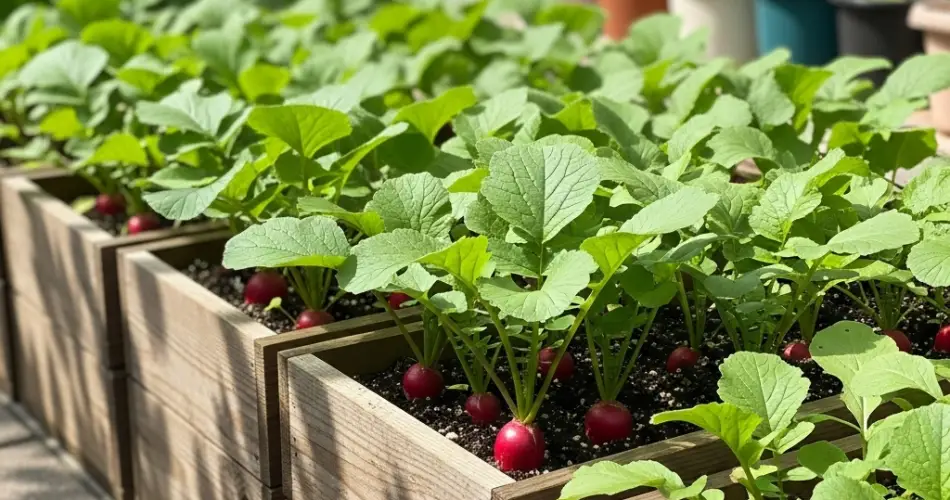
Radishes are fast-growing, crisp, and flavorful vegetables that are ideal for home gardening, especially in limited spaces. Their short growing cycle and adaptability make them perfect for wooden box gardening. Whether you have a balcony, patio, or small garden, cultivating radishes in wooden containers provides a convenient way to enjoy fresh, homegrown produce. Wooden boxes not only provide the right environment for radish growth but also add a rustic charm to your outdoor space.
Choosing the Right Wooden Box
The first step in successful radish gardening is selecting an appropriate wooden container. Radishes have shallow roots and grow best in loose, well-draining soil. A wooden box at least 6–8 inches deep and 12–18 inches wide is suitable for small batches of radishes. Ensure the container has drainage holes at the bottom to prevent waterlogging, which can cause root rot. Untreated wood, such as cedar or redwood, is ideal because it naturally resists decay. If you use treated wood, make sure it is food-safe to avoid chemical contamination. A rustic wooden box also adds visual appeal to your garden or balcony.
Preparing the Soil
Radishes thrive in loose, fertile soil with a slightly acidic to neutral pH (6.0–7.0). To prepare the wooden box, mix garden soil with organic compost and a small amount of sand or perlite. Compost enriches the soil with essential nutrients and improves moisture retention, while sand or perlite enhances drainage. Fill the container about an inch below the top to leave space for watering. Adding a balanced, slow-release organic fertilizer will provide additional nutrients for strong root and leaf development.
Selecting Radish Varieties
Radishes come in various shapes, sizes, and colors, including red, white, and purple varieties. For wooden boxes, choose compact or early-maturing varieties such as ‘Cherry Belle,’ ‘French Breakfast,’ or ‘White Icicle.’ These types are ideal for container gardening because they grow quickly, usually maturing in 25–40 days. Selecting the right variety ensures optimal growth, quick harvests, and a steady supply of fresh radishes.
Planting Radishes
Radishes are typically grown from seeds, which can be sown directly into the wooden box. Plant seeds about 1/2 inch deep, spacing them 1–2 inches apart. Once seedlings emerge, thin them to 2–3 inches apart to allow enough room for roots to develop. Radishes prefer cooler temperatures for germination, typically between 50–75°F (10–24°C). Keep the soil consistently moist until seeds germinate, which usually occurs within 4–10 days depending on the variety.
Watering and Fertilizing
Radishes require consistent moisture to produce tender, crisp roots. Water the wooden box whenever the top inch of soil feels dry, ensuring that water drains freely from the container. Mulching with straw or shredded leaves can help retain soil moisture and suppress weeds. Fertilize lightly with a balanced organic fertilizer every 3–4 weeks to support root and leaf growth. Avoid over-fertilizing with nitrogen, which can promote excessive leaf growth at the expense of root development.
Sunlight Requirements
Radishes grow best in full sun, needing at least 6 hours of direct sunlight per day. Place your wooden box in a bright location on your balcony, patio, or garden. While radishes can tolerate partial shade, full sun ensures faster growth and better root development. If sunlight is limited, supplemental grow lights can be used to maintain healthy growth.
Managing Pests and Diseases
Even in containers, radishes can be affected by pests such as aphids, flea beetles, and root maggots. Inspect plants regularly and remove any affected leaves. Organic remedies like neem oil or insecticidal soap are effective for controlling infestations. Good spacing, proper drainage, and adequate air circulation help prevent fungal diseases, which can occur in damp or crowded conditions.
Harvesting Radishes
Radishes are ready to harvest when the roots reach the desired size, usually 1–2 inches in diameter depending on the variety. Pull the roots gently from the soil to avoid damage. Radishes can become woody if left in the soil too long, so frequent monitoring is important. Both roots and leaves are edible, with the greens providing additional nutrients for salads or cooking.
Benefits of Wooden Box Radish Gardening
Growing radishes in wooden boxes maximizes limited space, allows control over soil quality, and protects plants from soil-borne diseases. Wooden containers make harvesting easier, reduce pest issues, and bring a decorative touch to small gardens or patios. Radishes are fast-growing and low-maintenance, making them ideal for both beginner and experienced gardeners seeking fresh, homegrown vegetables.
By selecting the right container, preparing nutrient-rich soil, choosing suitable varieties, and providing consistent care, gardeners can enjoy a continuous supply of crisp, flavorful radishes at home. Wooden box gardening combines practicality, charm, and productivity, offering an efficient and rewarding way to grow fresh produce in small spaces.


