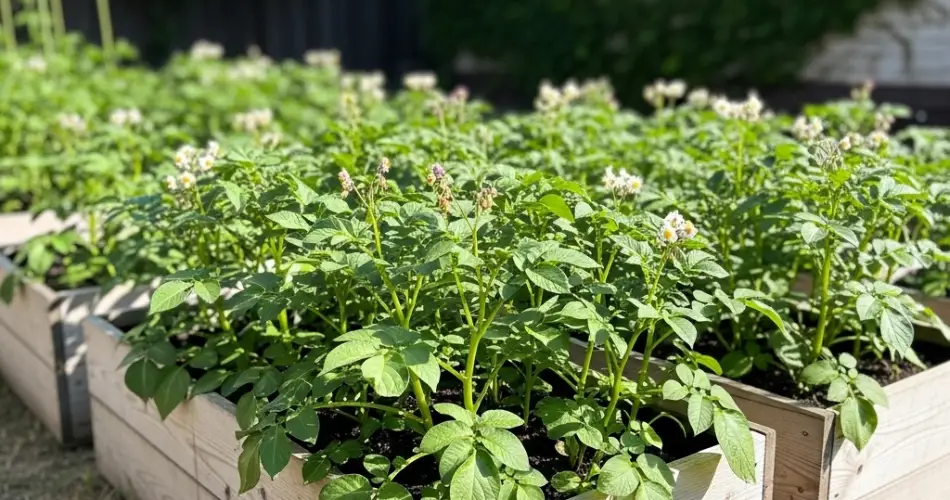
Potatoes are a versatile, nutrient-rich staple that can be easily grown at home using wooden containers. For gardeners with limited space, wooden box gardening provides an ideal solution. It allows control over soil quality, ensures proper drainage, and offers a practical way to produce fresh potatoes without a traditional garden plot. Wooden boxes also add a rustic aesthetic to patios, balconies, or small outdoor spaces. This guide explains how to plant, care for, and harvest potatoes successfully in wooden containers.
Choosing the Right Wooden Box
Selecting an appropriate container is crucial for potato cultivation. Potatoes develop tubers underground and require deep, loose soil to grow properly. A wooden box at least 12–15 inches deep and 18–24 inches wide is recommended for a small group of plants. Ensure the container has drainage holes to prevent waterlogging, which can cause rot. Untreated wood, such as cedar or redwood, is ideal because it resists decay naturally and is safe for edible plants. Treated wood should be labeled food-safe. Wooden boxes not only provide the necessary growing environment but also enhance the visual appeal of your garden or balcony.
Preparing the Soil
Potatoes prefer well-draining, loose soil rich in organic matter with a slightly acidic pH of 5.5–6.5. To prepare the wooden box, mix garden soil with organic compost and a small amount of sand or perlite. Compost enriches the soil with nutrients and retains moisture, while sand or perlite ensures proper drainage. Fill the container about halfway with this soil mixture to provide enough depth for initial growth and room for “hilling” as tubers develop.
Selecting Potato Varieties
Potatoes come in many varieties, including early, mid-season, and late types, as well as different colors and textures. For wooden boxes, compact or early-maturing varieties such as ‘Yukon Gold,’ ‘Red Pontiac,’ or ‘Charlotte’ are ideal. Selecting the right variety ensures faster growth, higher yields, and a continuous supply of fresh potatoes.
Planting Potatoes
Potatoes are usually grown from seed potatoes rather than seeds. Choose certified disease-free seed potatoes and cut them into pieces containing at least one or two “eyes.” Allow the cut pieces to dry for a day to prevent rotting. Plant the seed pieces about 4 inches deep in the prepared soil, with the eyes facing upward. Space each piece 6–12 inches apart. After planting, cover lightly with soil. Water thoroughly to help the plants establish roots.
Watering and Fertilizing
Consistent moisture is essential for potato growth, especially during tuber development. Water the wooden container whenever the top inch of soil feels dry, making sure excess water drains freely. Mulching with straw or shredded leaves helps retain soil moisture and suppress weeds. Fertilize lightly every 3–4 weeks with a balanced organic fertilizer to support strong foliage and tuber formation. Avoid excessive nitrogen, which encourages leafy growth at the expense of tuber development.
Sunlight Requirements
Potatoes thrive in full sun, requiring at least 6–8 hours of direct sunlight per day. Place your wooden container in a bright location on a balcony, patio, or garden. Adequate sunlight promotes strong plant growth, healthy foliage, and the development of flavorful tubers. If natural sunlight is limited, supplemental grow lights can be used to maintain optimal growth.
Hilling and Plant Care
As potato plants grow, gradually add soil or compost around the base of each stem to cover developing tubers. This process, known as “hilling,” protects tubers from sunlight exposure, which can turn them green and toxic. Continue hilling as plants grow, leaving the top few inches of the stems exposed. Remove weeds promptly to prevent competition for nutrients and maintain healthy plant growth.
Harvesting Potatoes
Potatoes are ready to harvest when the foliage begins to yellow and die back. Gently dig into the soil with a hand fork or trowel, being careful not to damage the tubers. Harvesting early produces “new potatoes,” which are tender and sweet, while allowing the tubers to mature longer results in larger storage potatoes. Brush off excess soil and allow the potatoes to dry for a few hours before storing in a cool, dark place.
Benefits of Wooden Box Potato Gardening
Growing potatoes in wooden boxes maximizes limited space, provides control over soil quality, and protects tubers from pests and soil-borne diseases. Containers also allow for easier harvesting and reduce the risk of tubers being damaged or missed. Wooden box gardening is practical, manageable, and highly rewarding, providing a continuous supply of fresh, homegrown potatoes even in small urban spaces.
By selecting the right container, preparing nutrient-rich soil, choosing suitable varieties, and providing consistent care, gardeners can enjoy a bountiful potato harvest. Wooden box gardening combines convenience, aesthetics, and productivity, offering a simple and efficient way to grow fresh, flavorful potatoes at home.


