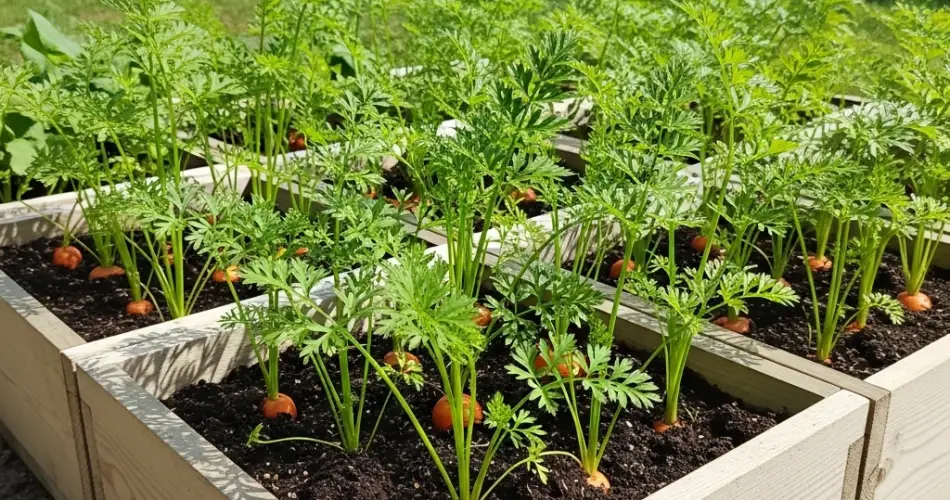
Carrots are one of the most popular root vegetables to grow at home because they are delicious, nutritious, and relatively simple to cultivate. While many gardeners picture rows of carrots in wide garden beds, wooden box containers provide an excellent alternative for those working with limited outdoor space. With the right approach, you can grow crisp, sweet carrots right on your balcony, patio, or even a small backyard corner. Wooden boxes make it easy to create the perfect growing environment, ensuring a successful and tasty harvest.
Below is a step-by-step guide to planting carrots in wooden boxes, from preparing the soil to enjoying your fresh harvest.
Step 1: Choose the Right Wooden Box
The container you select will determine how well your carrots develop. Carrots are root vegetables that require depth to grow straight and healthy. Ideally, your wooden box should be at least 12 inches deep to accommodate standard carrot varieties. Smaller, round carrot varieties like “Thumbelina” or “Paris Market” need less depth, around 8 inches, making them perfect for shallow boxes.
The box should also have good drainage. Drill several small holes in the bottom if they are not already present. Choose untreated wood to avoid harmful chemicals, and consider cedar or pine, which are durable and naturally resistant to decay.
Step 2: Prepare the Soil
Carrots need light, loose, and well-draining soil. Heavy or compact soil can cause carrots to fork, split, or grow misshapen. To create the ideal growing medium, mix potting soil with sand or perlite to increase drainage and aeration. Add compost to enrich the soil with nutrients, but avoid too much manure, as excess nitrogen can result in leafy tops instead of strong roots.
Aim for a soil pH between 6.0 and 6.8, which is slightly acidic to neutral. Before planting, sift or break apart any clumps and remove rocks, sticks, or other debris that could block root development.
Step 3: Sow Carrot Seeds
Carrots are best grown from seed rather than transplants, as their roots are sensitive and do not move well. Scatter the seeds evenly in shallow rows across the surface of the soil, spacing them about 2 inches apart. Plant them at a depth of only ¼ inch and gently cover them with a fine layer of soil.
Mist the soil lightly with water to avoid washing away the seeds. Germination is slow and can take 10 to 20 days, so patience is key. During this time, keep the soil consistently moist but not waterlogged.
Step 4: Provide Water and Sunlight
Carrots require steady moisture for proper growth. Wooden boxes can dry out faster than ground soil, so check the soil regularly. Water deeply whenever the top inch of soil feels dry. Avoid uneven watering, as it may cause carrots to split or develop a woody texture.
Carrots thrive in full sun, so place your wooden box in a location that receives at least six hours of direct sunlight daily. In hot climates, partial shade during the hottest part of the day can help prevent the soil from drying too quickly.
Step 5: Thin the Seedlings
Once the seedlings reach about 2 inches tall, it’s time to thin them. Overcrowding prevents proper root development, resulting in small or twisted carrots. Snip weaker seedlings at the soil level with scissors, leaving about 2 inches of space between each plant for standard carrot varieties. This step ensures each carrot has room to grow straight and healthy.
Step 6: Fertilize Sparingly
Carrots do not require heavy fertilization. Before planting, mixing compost into the soil is usually sufficient. If additional nutrients are needed during the growing season, use a low-nitrogen fertilizer to encourage root growth rather than excessive leaf development. One or two feedings during the growth cycle are typically enough.
Step 7: Monitor Growth and Care
As the carrots grow, continue to water consistently and remove any weeds that may appear. Wooden boxes usually have fewer weed problems than garden beds, but it’s still important to keep the soil surface clear.
You may notice the tops of carrots poking above the soil as they mature. If they appear green, gently cover them with soil to protect them from sunlight, which can make them bitter.
Step 8: Harvest Your Carrots
Most carrot varieties are ready to harvest between 60 and 80 days after planting, though smaller varieties mature more quickly. The best indicator is the root’s size, which you can check by gently brushing away soil at the top. Carrots should be about ½ to 1 inch in diameter before harvesting.
To harvest, loosen the soil gently around the carrot and pull it upward by grasping the leaves close to the crown. Wash and enjoy immediately for the freshest, sweetest flavor.
Step 9: Practice Succession Planting
For a steady supply of carrots, consider succession planting. Sow a new batch of seeds every two to three weeks. Since wooden boxes are easy to move and manage, you can rotate plantings throughout the growing season. Carrots do best in cooler weather, so early spring and fall plantings generally produce the sweetest results.
Final Thoughts
Growing carrots in wooden boxes is a practical and rewarding way to enjoy fresh produce, even in small spaces. With the right container, well-prepared soil, and consistent care, you can harvest crisp, sweet carrots right outside your door. By following these simple steps, your rustic wooden planter can become a mini vegetable garden filled with one of nature’s most versatile and delicious crops.


