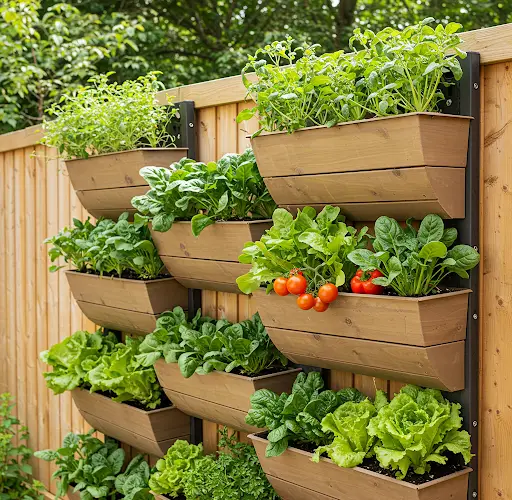
Create a Wonderful Vertical Vegetable Garden on Your Balcony
Living in an apartment or urban area doesn’t mean you have to give up your dream of growing fresh vegetables. With a bit of creativity and some basic materials, you can build a beautiful and productive vertical vegetable garden right on your balcony. This space-saving gardening method not only provides fresh produce but also adds greenery, freshness, and charm to your home.
A vertical garden is a smart and efficient way to grow vegetables in limited space. It takes advantage of unused vertical surfaces—walls, railings, shelves—turning them into vibrant mini-farms that can feed your household while beautifying your living space.
Why Go Vertical?
The main benefit of vertical gardening is obvious: space efficiency. Instead of spreading plants horizontally, which requires a lot of floor space, vertical gardens go up. This makes them perfect for balconies, patios, or even sunny indoor corners.
Other benefits include:
-
Better air circulation around plants, reducing the risk of disease.
-
Easier maintenance since you don’t need to bend or kneel.
-
Pest control becomes simpler in an elevated garden setup.
-
Aesthetic value, transforming dull walls or fences into lush, green spaces.
Planning Your Balcony Garden
Before starting, take a good look at your balcony:
-
Sunlight: Most vegetables need at least 4–6 hours of direct sunlight daily. South or west-facing balconies are ideal.
-
Wind protection: If your balcony is exposed to strong winds, consider placing a barrier or growing wind-tolerant plants.
-
Weight limit: Make sure your balcony can support the weight of soil, containers, and a water supply.
Choosing the Right Structure
There are many ways to build a vertical garden, depending on your budget and materials on hand. Here are a few ideas:
-
Hanging shelves or plant racks mounted to the wall.
-
Stacked containers or recycled crates arranged vertically.
-
Pocket planters made from fabric or felt that hang like a curtain.
-
Recycled plastic bottles, cut and arranged in rows.
-
Wooden pallets, leaned against the wall and filled with small pots or lined with grow bags.
Whatever structure you choose, make sure it provides adequate drainage and is stable enough to hold moist soil and growing plants.
Best Vegetables for Vertical Gardening
Not all vegetables are suited for vertical growing, but many thrive in containers and can be trained to grow upward. Here are some great choices:
-
Leafy greens: Lettuce, spinach, kale, and mustard greens grow quickly and don’t need deep soil.
-
Herbs: Basil, mint, parsley, coriander, and chives do well in small containers and can be picked fresh daily.
-
Climbing plants: Tomatoes, beans, cucumbers, peas, and gourds naturally grow upward and benefit from vertical support.
-
Chili peppers and eggplants: Compact varieties grow well in pots and produce abundantly with enough sunlight.
-
Radishes and carrots: Grow in deeper pockets or containers and mature quickly.
Planting and Care Tips
-
Soil: Use high-quality, well-draining potting mix enriched with compost. Avoid heavy garden soil which can compact in containers.
-
Watering: Containers dry out faster than garden beds. Check moisture daily and water as needed, especially during hot weather.
-
Fertilizer: Since nutrients are limited in containers, feed plants every two weeks with compost tea or organic liquid fertilizer.
-
Pruning and training: Trim plants regularly to promote bushier growth and use ties or nets to guide vines upward.
-
Pest control: Keep an eye out for pests like aphids or caterpillars. Use neem oil, insecticidal soap, or hand removal to manage infestations naturally.
Design Tips to Make It Beautiful
A vertical vegetable garden can also be a visual highlight of your balcony:
-
Use colorful pots or paint recycled containers for a cheerful vibe.
-
Arrange plants in symmetrical or layered patterns for an organized look.
-
Mix flowering herbs like basil and chives with vegetables to attract pollinators and add beauty.
-
Incorporate hanging baskets or trailing plants at the edges to soften the structure.
Sustainability and Upcycling
One of the most satisfying aspects of vertical gardening is its alignment with sustainability. Many gardeners use upcycled materials like old plastic bottles, wooden pallets, or unused shelves to build their structures. Not only does this reduce waste, but it also keeps costs low.
Water-saving tips like using a drip irrigation system or self-watering containers can make your garden more efficient. Collecting rainwater or reusing water from washing vegetables can further minimize your environmental impact.
Final Thoughts
A vertical vegetable garden on your balcony is not only practical but also fulfilling. Imagine stepping outside to pick fresh tomatoes, herbs, or greens for your next meal—all grown just steps away from your kitchen. You don’t need a yard or expensive tools—just sunlight, creativity, and a little bit of care.
Whether you’re a seasoned gardener or just starting out, a balcony vertical garden is an easy and enjoyable way to bring freshness, flavor, and greenery into your everyday life.


