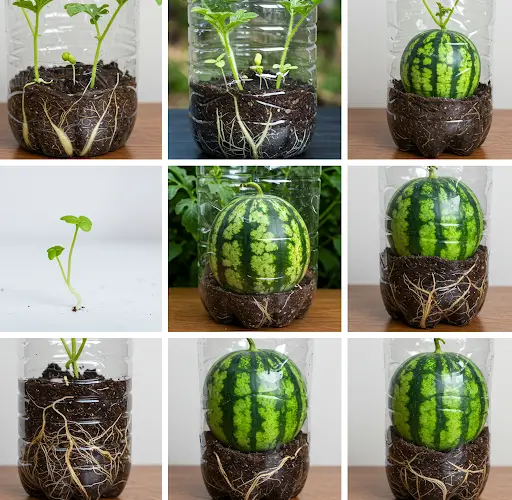
Growing Watermelon Provides for the Whole Family – No Garden Needed, Just a Few Plastic Bottles
Watermelon is a refreshing, sweet fruit that’s perfect for hot days and family gatherings. While many assume you need a big backyard or a sprawling garden to grow this summertime staple, the truth is you can cultivate watermelon in the smallest of spaces—even without a traditional garden. All you need is a few plastic bottles, a sunny spot, and a little bit of creativity.
Growing watermelon at home is easier than it sounds, and it’s a fantastic way to provide fresh, healthy fruit for your family, especially if you’re working with limited space like a balcony, rooftop, or small patio. This low-cost method of using repurposed plastic bottles makes it accessible to anyone, even in urban areas.
Why Grow Watermelon at Home?
Store-bought watermelons can be expensive, and you never quite know how fresh or sweet they’ll be until you cut them open. When you grow your own, not only do you save money, but you also have control over what goes into your soil—no chemical pesticides or synthetic fertilizers unless you choose to use them. Plus, it’s a satisfying experience to watch your own fruit grow and ripen under your care.
Choosing the Right Watermelon Variety
Not all watermelon varieties are suitable for container growing, so it’s important to pick the right one. Look for smaller, compact varieties such as Sugar Baby, Mini Love, or Bush Baby. These produce smaller fruits, usually 5–12 pounds, and are ideal for growing in confined spaces.
These mini varieties also tend to have shorter growing seasons and more manageable vines, which means faster results and easier care.
Preparing Your Plastic Bottle Planters
The beauty of this method lies in its simplicity. Start by gathering large plastic bottles—5-liter water jugs, cooking oil containers, or even 2-liter soda bottles. The larger the bottle, the more space the plant will have to grow.
-
Cut and Prepare: Cut off the top third of the bottle to create an open container. Poke drainage holes at the bottom.
-
Add Soil: Fill the bottle with well-draining potting soil mixed with compost or aged manure. Watermelon plants are heavy feeders and will thrive in nutrient-rich soil.
-
Planting: Sow 1–2 seeds per bottle, about an inch deep. Once the seedlings appear, thin to the strongest one.
-
Placement: Place the bottles in a sunny location—watermelons love the sun and need 6–8 hours of direct sunlight daily.
You can also hang the bottles on fences, arrange them on shelves, or place them on a sunny terrace floor. As long as they get light and warmth, your watermelon vines will grow just fine.
Supporting the Vines
Watermelon vines tend to sprawl, so in small spaces, vertical training is essential. Use trellises, ropes, or mesh netting to guide the vines upward. This not only saves space but improves air circulation and reduces the risk of pests or rot.
As fruits begin to form and grow, support them using slings made from old cloth or mesh bags to prevent them from pulling the vines down or getting damaged.
Watering and Care
Watermelons require consistent moisture, especially during fruit development. Keep the soil moist but not soggy. Water deeply every few days, depending on your climate, and more frequently in hot weather.
Apply a balanced liquid fertilizer every two weeks, or use organic options like compost tea or diluted fish emulsion.
Watch for pests like aphids or spider mites. These can be gently washed off or treated with natural solutions like neem oil. Check the undersides of leaves regularly and remove any yellowing or damaged leaves to keep the plant healthy.
Pollination and Fruit Development
Since you may not have bees visiting your balcony or indoor setup, hand-pollination might be necessary. Male and female flowers grow on the same plant. Using a small brush or your finger, gently transfer pollen from the male flower (thin stem behind the bloom) to the female flower (you’ll notice a small round bump beneath it—that’s the future fruit).
Within a few days, if successful, you’ll see the female flower swell and begin forming a small watermelon.
Harvest Time
Depending on the variety, watermelons take between 70 to 90 days to mature. Signs of ripeness include a yellowing patch on the bottom of the fruit (where it rests), the drying of the tendril closest to the stem, and a hollow sound when tapped.
Harvest your fruit with a clean knife or scissors and enjoy the incredible taste of homegrown watermelon—sweet, juicy, and chemical-free.
Final Thoughts
Growing watermelon without a garden might seem unconventional, but it’s a surprisingly productive and satisfying method that delivers real results. With just a few plastic bottles, a bit of soil, and some patience, you can provide fresh watermelon for your family right from your porch, balcony, or even a windowsill.
No land? No problem. With this creative and space-saving technique, juicy summer fruits are within everyone’s reach.


