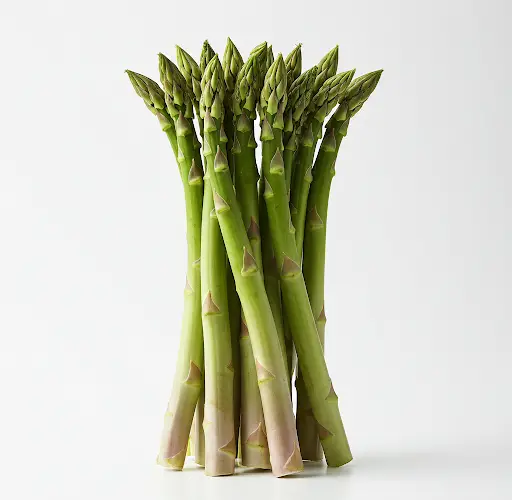
Growing Asparagus at Home: The Most Productive, Effective, and Fast Way to Harvest
Asparagus (Asparagus officinalis) is a highly nutritious, perennial vegetable that can produce bountiful harvests year after year with minimal care. Many gardeners believe asparagus is difficult or slow to grow, but with the right methods, you can establish a productive bed at home that yields tender spears much faster than expected.
This guide shares the most effective techniques for planting, caring for, and harvesting asparagus—perfect for gardeners who want quick results without compromising quality.
Why Grow Asparagus?
Asparagus is rich in fiber, vitamins A, C, E, and K, and antioxidants. It’s also low in calories and an excellent source of folate, making it a perfect addition to a healthy diet. Unlike annual vegetables, asparagus is a long-term investment. Once established, a single asparagus bed can remain productive for 15–20 years.
Step 1: Choosing the Right Variety
For faster growth and higher yields, choose hybrid varieties such as ‘Jersey Giant’, ‘UC 157’, or ‘Mary Washington’. These are bred for disease resistance and improved productivity. Look for one- or two-year-old crowns from a reputable nursery for quicker establishment compared to growing from seed.
Step 2: Selecting the Best Location
Asparagus thrives in full sun and well-drained soil. Choose a spot in your garden that gets at least 6–8 hours of sunlight daily. Avoid areas where water tends to pool or where root crops have recently grown, as these can harbor soil pests that affect asparagus crowns.
Soil Preparation
Asparagus prefers slightly acidic to neutral soil with a pH between 6.5 and 7.0. Before planting, enrich the soil with organic compost or well-rotted manure. Incorporate bone meal or rock phosphate to support strong root development. Good drainage is essential, so raised beds are a great option if your soil is heavy.
Step 3: Planting Asparagus Crowns
In early spring or late winter (before the last frost), dig trenches 8–10 inches deep and 12 inches wide. Space the trenches about 3 feet apart. Spread the asparagus crowns at the bottom of the trench, spacing them about 12–18 inches apart. Fan out the roots and cover them with 2 inches of soil.
As the plants grow, gradually fill in the trench with soil until it’s level with the ground. This method encourages deep root growth, resulting in stronger, more productive plants.
Step 4: Watering and Mulching
Asparagus needs consistent moisture, especially during its first two growing seasons. Water deeply once or twice a week, depending on weather conditions. Mulch with straw, wood chips, or shredded leaves to retain moisture and suppress weeds. This also helps regulate soil temperature, which is crucial for optimal spear development.
Step 5: Feeding for Fast Growth
Feed asparagus with a balanced organic fertilizer in early spring and again after the first harvest. A mix high in phosphorus and potassium supports spear production. Avoid high-nitrogen fertilizers, as they can promote excessive fern growth at the expense of edible spears.
Liquid seaweed or compost tea can be used as a gentle foliar feed to boost growth throughout the season.
Step 6: Harvesting Asparagus
In the first year, it’s best not to harvest so the plant can focus on establishing a strong root system. In the second year, you can harvest lightly—only for about 2 weeks. By the third year, you can harvest for up to 6–8 weeks in spring.
Harvest spears when they are 6–8 inches tall and about the thickness of your finger. Use a sharp knife or snap them off at soil level. Harvesting regularly encourages more spear production.
Stop harvesting once the spears begin to thin out. Allow the remaining spears to grow into tall, fern-like foliage that will nourish the crown for next season’s crop.
Step 7: Off-Season Care
At the end of the growing season, cut back the dried ferns after they turn brown in fall. Mulch the bed heavily to protect the crowns from freezing temperatures. In spring, remove the mulch to allow soil to warm up faster and trigger new growth.
Tips for Maximum Productivity
-
Keep the bed weed-free to reduce competition for nutrients.
-
Do not harvest too early in the plant’s life—patience leads to years of abundant harvests.
-
Replenish mulch and compost each season to maintain soil fertility.
-
Divide or replace crowns every 10–15 years if productivity declines.
Final Thoughts
Growing asparagus at home is a rewarding experience that pays off for many years. By choosing the right variety, planting in ideal conditions, and providing proper care, you can enjoy fast-growing, delicious asparagus spears right from your backyard. With a bit of patience during the first year, your asparagus patch will soon become one of the most productive areas of your garden.


