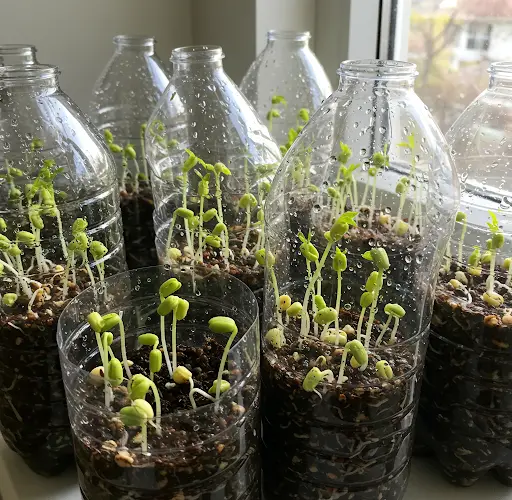
Bean sprouts are among the healthiest and easiest foods to grow at home. They’re packed with nutrients, require no soil or sunlight, and can be harvested in as little as two days with the right technique. Whether you’re aiming to improve your diet or add a crunchy, fresh ingredient to your meals, sprouting beans at home is an incredibly simple and satisfying project.
In this guide, you’ll learn a super-fast, effective method for growing bean sprouts using common kitchen materials. No special tools or complicated systems required—just a few ingredients, a little time, and a basic container.
Why Grow Bean Sprouts at Home?
Bean sprouts are nutrient-dense and versatile. They’re low in calories but high in fiber, antioxidants, and essential vitamins like C and K. Sprouting increases the nutritional value of beans by activating enzymes that enhance digestibility and boost nutrient absorption.
Home-grown sprouts are also free from chemicals, preservatives, and packaging waste, making them a great option for health-conscious and eco-conscious eaters alike.
What You’ll Need
To get started, you only need a few simple materials:
-
Beans: Mung beans are the most popular choice for sprouting, but you can also use lentils, chickpeas, soybeans, or alfalfa seeds.
-
A clean plastic or glass container: A wide-mouthed jar or a small food-grade bucket works best.
-
A breathable cover: Cheesecloth, a clean cotton cloth, or a fine mesh can be used to cover the container.
-
Rubber band or string: To secure the cloth over the container.
-
Clean water
Step-by-Step Method
Step 1: Select and Rinse the Beans
Start by choosing high-quality, whole beans. Avoid split or damaged beans, as they won’t sprout well.
Rinse 1/4 to 1/2 cup of beans thoroughly with clean water. Remove any debris or floating seeds. This cleaning step is crucial for preventing mold or bacterial growth during sprouting.
Step 2: Soak the Beans
Place the rinsed beans in a clean container and add enough water to completely submerge them—about 3–4 times their volume. Let them soak for 8 to 12 hours or overnight at room temperature.
This soaking step triggers germination and softens the outer shell of the bean.
Step 3: Drain and Rinse
After soaking, drain the water completely and rinse the beans again with fresh water. You can do this by covering the container with a breathable cloth secured by a rubber band, then tipping it to drain. The cloth allows air circulation while keeping pests and dust out.
After rinsing, tip the container at an angle to allow excess water to drain out fully. Beans should stay moist but not submerged—excess water encourages mold.
Step 4: Let the Beans Sprout
Place the drained container in a dark or dimly lit area with good airflow—like a kitchen cabinet or shaded countertop. Avoid direct sunlight, which can dry out the beans or cause uneven growth.
Every 8–12 hours, rinse and drain the beans again to keep them moist and clean. Within 24 hours, you’ll begin to see small white roots emerging. By the end of day two, you should have fresh, crunchy bean sprouts ready to harvest.
For slightly longer sprouts, continue the rinse-and-drain cycle for another day or two, depending on your texture and flavor preference.
Harvesting and Storing
When the sprouts have reached your desired length (usually 1–2 inches), give them a final rinse and drain well. You can use them immediately in stir-fries, salads, sandwiches, or soups.
To store them, keep the sprouts in an airtight container lined with a paper towel in the refrigerator. They will stay fresh for up to 5 days. Make sure they remain dry in storage to prevent spoilage.
Tips for Success
-
Use only food-grade seeds intended for sprouting to avoid contamination.
-
Clean your container thoroughly before and after each sprouting batch.
-
If you notice a strong smell or slimy texture, discard the batch and start over.
-
You can sprout multiple types of beans at once, but keep in mind that different beans may grow at different rates.
Nutritional Highlights
Just a handful of mung bean sprouts is rich in:
-
Vitamin C for immune support
-
Folate for cell regeneration
-
Protein for muscle repair
-
Fiber for digestion
They’re also low in fat and naturally cholesterol-free.
Final Thoughts
Making your own bean sprouts is one of the easiest and most rewarding ways to bring fresh, living food into your kitchen. In just two days, you can transform dry beans into crisp, delicious sprouts—no garden, soil, or sunshine required.
Perfect for beginners or seasoned gardeners looking to grow indoors, this super-fast sprouting method is a must-try for anyone interested in healthy homegrown food. Once you start, you’ll never go back to store-bought again.


