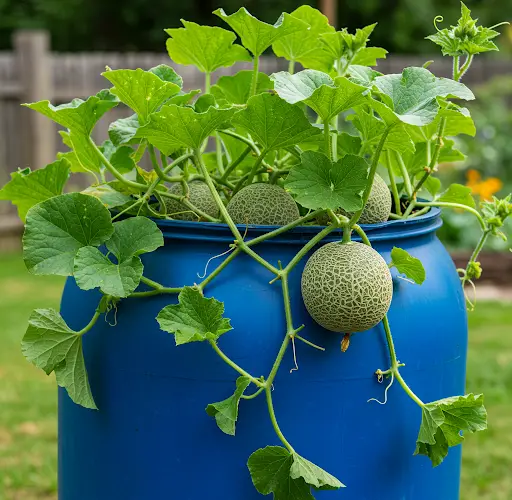
Amazing Idea: How to Grow Honeydew Melon at Home – Easy for Beginners
Growing honeydew melon at home may sound like a challenge, but it’s actually quite simple—even for beginners. With a bit of patience, some space, and basic materials, you can enjoy the sweet, juicy taste of homegrown honeydew right from your garden, balcony, or even a few large containers. This refreshing fruit is not only delicious, but it’s also satisfying to grow, and with the right steps, you’ll be harvesting your own melons in just a few months.
Whether you live in a house with a yard or an apartment with limited space, this guide will walk you through the easy, beginner-friendly process of growing honeydew melons at home.
Why Grow Honeydew at Home?
Honeydew melons are rich in vitamins, hydrating, and incredibly tasty. When grown at home, you can be sure they’re fresh, chemical-free, and full of natural sweetness. Plus, growing your own melons is cost-effective and surprisingly rewarding.
While these melons are traditionally grown in open fields, they adapt well to home gardening, including in containers, vertical gardens, or raised beds. With the right care and a sunny location, you’ll be amazed at how productive even a single vine can be.
Choosing the Right Variety
To get started, choose a variety of honeydew melon that suits your growing space and climate. Look for compact or early-maturing varieties if you have limited room or a shorter growing season. Seed packets often indicate whether a variety is suitable for containers or vertical growing.
Make sure to purchase fresh seeds from a trusted supplier or harvest seeds from a fully ripened organic melon. If you’re saving seeds, wash and dry them thoroughly before planting.
Ideal Growing Conditions
Honeydew melons thrive in warm weather, with plenty of sunlight and space to spread their vines. They require:
-
Full Sun: At least 6–8 hours of direct sunlight daily.
-
Well-draining Soil: Loamy or sandy soil enriched with compost or organic matter is ideal.
-
Warm Temperatures: Soil temperature should be consistently above 65°F (18°C) for seeds to germinate properly.
If you’re planting in cooler regions, start seeds indoors 3–4 weeks before the last expected frost and transplant them once the weather warms up.
Planting Honeydew Melon
Here’s a simple step-by-step guide for beginners:
-
Prepare the Soil or Container: If planting in a garden bed, loosen the soil and mix in compost. For containers, choose one at least 12–18 inches deep and wide. Make sure there are drainage holes.
-
Sow the Seeds: Plant 2–3 seeds per hole or container, about 1 inch deep. Space multiple holes or pots at least 2 feet apart. Once seedlings appear, thin them out, keeping only the healthiest one in each spot.
-
Watering: Keep the soil consistently moist, especially during germination. As the plant grows, water deeply once or twice a week. Avoid overhead watering to prevent mold or mildew on leaves.
-
Fertilizing: Use a balanced organic fertilizer or compost tea every two weeks during early growth. Once flowering starts, switch to a fertilizer higher in potassium and phosphorus to support fruit development.
Supporting Your Melon Plant
Honeydew melon vines can sprawl widely, so if space is limited, train them to grow vertically using a trellis or support system. Vertical growing not only saves space but also improves airflow, reduces disease risk, and makes harvesting easier.
As fruits begin to form, use a sling made of cloth or netting to support their weight and prevent damage to the vine.
Pollination Tips
Honeydew melons rely on pollinators like bees to produce fruit. If you’re growing indoors or in an area with few insects, hand-pollination is easy and effective. Use a small paintbrush or cotton swab to transfer pollen from the male flowers to the female flowers (you’ll notice a tiny swelling beneath the female flower—this is the forming melon).
Pest and Disease Management
Keep an eye out for common pests like aphids, spider mites, and cucumber beetles. These can be managed naturally using neem oil, insecticidal soap, or by manually removing them.
To prevent fungal diseases, water at the base of the plant, avoid overcrowding, and ensure good airflow. Remove yellowing leaves and clean up any plant debris around the base.
Harvesting Your Honeydew
Honeydew melons typically take 75 to 100 days to mature, depending on the variety. You’ll know they’re ready to harvest when:
-
The skin turns a creamy yellow or ivory tone.
-
The blossom end (opposite the stem) feels slightly soft.
-
A sweet, fragrant smell is noticeable near the fruit.
-
The stem begins to separate from the vine naturally.
Cut the melon off the vine with a sharp knife or scissors. Let it rest for a few days indoors to further ripen if needed, then enjoy!
Final Thoughts
Growing honeydew melon at home is a simple and satisfying project—even for beginners. With a few seeds, a sunny spot, and regular care, you can enjoy juicy, homegrown fruit in just a few months. It’s a fun way to connect with nature, reduce your grocery bill, and experience the joy of harvesting food you’ve grown yourself.
Whether in a backyard, a balcony container, or a rooftop garden, honeydew melon is a sweet reward for your gardening efforts.


