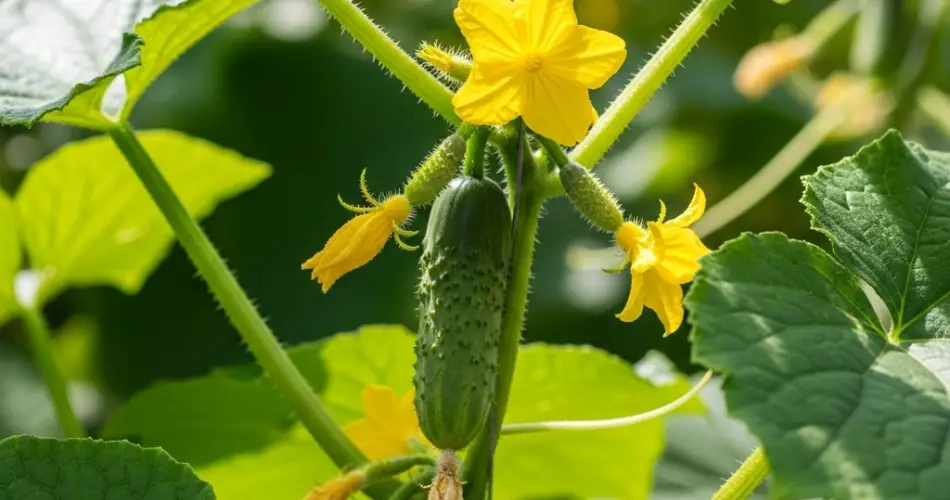
There’s nothing more disappointing than slicing into a homegrown cucumber only to find it tastes bitter instead of crisp and refreshing. Bitterness in cucumbers is a common problem that gardeners face, especially during the summer growing season. Fortunately, with a bit of understanding and a few simple adjustments, you can grow consistently sweet and delicious cucumbers. This article explains why cucumbers become bitter and how to prevent it from happening again.
What Causes Bitterness in Cucumbers?
The bitterness in cucumbers comes from natural compounds called cucurbitacins. These chemicals are part of the plant’s defense system and are typically concentrated in the leaves, stems, and roots. However, when the plant is stressed, cucurbitacins can move into the fruit, resulting in an unpleasant bitter taste.
Several factors can trigger the production of cucurbitacins in cucumbers:
-
Environmental Stress:
Extreme temperatures—especially hot, dry conditions—can cause the plant to become stressed and increase cucurbitacin levels. Heat waves, irregular watering, or prolonged drought are common culprits. -
Inconsistent Watering:
Cucumbers need consistent moisture to grow properly. Irregular watering—allowing the soil to dry out and then soaking it—can shock the plant and lead to bitterness. -
Nutrient Imbalance:
Poor soil nutrition or an imbalance of nutrients can also contribute to plant stress. Lack of potassium or excessive nitrogen can affect cucumber flavor. -
Shady Conditions:
Cucumbers are sun-loving plants. If they don’t receive at least 6–8 hours of full sunlight daily, they may produce bitter fruit. -
Genetics:
Some cucumber varieties are naturally more prone to bitterness than others. Heirloom varieties may have a higher cucurbitacin content compared to modern hybrid types that have been bred for milder flavor.
How to Prevent Bitter Cucumbers
Once bitterness sets in, it cannot be reversed in the affected fruit. However, you can take steps to prevent it from occurring in future harvests:
1. Water Consistently:
Make sure your cucumbers receive consistent watering, about 1–2 inches per week, depending on your climate. A deep, even soak is better than frequent, shallow watering. Mulching around the base of the plants can help retain moisture and reduce stress caused by heat.
2. Choose the Right Varieties:
Select bitter-free or low-cucurbitacin varieties if bitterness has been a recurring issue in your garden. Look for names like ‘Marketmore 76,’ ‘Straight Eight,’ or ‘Sweet Success’—these have been bred for flavor and low bitterness.
3. Plant in Full Sun:
Ensure your cucumbers are planted in a sunny spot where they get at least 6 hours of direct sunlight daily. More sun means happier plants and better-tasting fruit.
4. Improve Soil Health:
Enrich your soil with well-rotted compost or aged manure before planting. This helps balance nutrients and reduce stress. You can also do a soil test to determine if your garden lacks key minerals like potassium, magnesium, or phosphorus.
5. Avoid Over-Fertilizing with Nitrogen:
While nitrogen promotes leafy growth, too much of it can lead to stress and increase bitterness. Use a balanced fertilizer or one slightly higher in potassium and phosphorus to support fruit development.
6. Harvest at the Right Time:
Don’t let cucumbers stay on the vine too long. Overripe fruit is more likely to become bitter. Harvest them when they’re young, firm, and bright green. Check daily once the plants begin producing.
How to Use Slightly Bitter Cucumbers
If you’ve already harvested a batch of cucumbers and some are slightly bitter, don’t toss them just yet. You can often reduce the bitterness with a few tricks:
-
Peel the skin: Bitterness is most concentrated in the peel and near the stem end. Removing the skin and cutting off both ends can improve the taste.
-
Salt them: Sprinkle salt over sliced cucumbers and let them sit for 10–15 minutes. Then rinse and use. The salt helps draw out some of the bitter juices.
-
Use in cooked dishes: Bitter flavor is less noticeable when cucumbers are cooked. Try stir-frying or using them in warm stews where the bitterness won’t stand out.
Final Thoughts
Bitter cucumbers can be a frustrating experience, especially after putting time and effort into growing them. But once you understand the causes—mainly environmental stress, irregular watering, and poor soil—you can take practical steps to improve your crop. Focus on consistent care, choose the right varieties, and make sure your plants grow in sunny, well-drained conditions. With these strategies, you’ll enjoy crisp, sweet cucumbers that are perfect for salads, snacks, and pickling all season long.