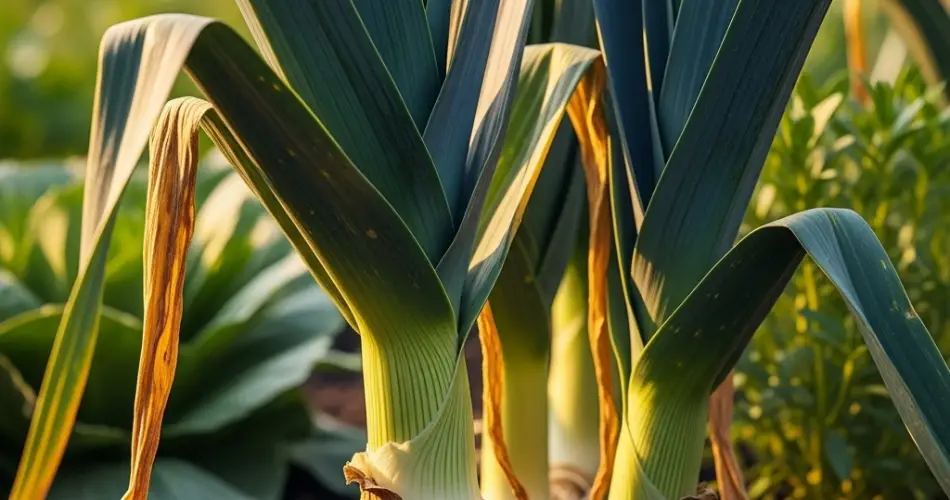
Leeks are a cold-hardy, nutrient-rich vegetable that belong to the allium family, alongside garlic and onions. Unlike their close relatives, leeks have a milder, sweeter flavor and are prized in soups, stews, and many hearty dishes. While they can be a bit slow to mature, they thrive in cooler temperatures, making them ideal for gardeners in cold climates. With a few specific techniques and timing strategies, you can grow healthy, thick, and flavorful leeks even in regions with harsh winters.
Choosing the Right Variety
Success starts with choosing the right leek variety for your climate. For cold areas, select hardy, overwintering or long-season varieties. These include:
-
‘Bandit’ – A reliable, cold-resistant variety known for its thick stems and rich flavor.
-
‘Blue Solaise’ – A heritage variety that turns bluish-purple in the cold and stands up well to frost.
-
‘Tadorna’ – Very hardy and often used for fall or winter harvests.
These varieties are bred to withstand freezing temperatures and are more likely to survive well into winter if protected properly.
Starting Leeks Indoors
In cold climates, leeks benefit from a head start indoors. Here’s how:
-
Timing
Start seeds indoors 8 to 10 weeks before the last expected frost. In very cold regions, this means sowing seeds as early as late January or February. -
Soil and Containers
Use seed trays or deep containers filled with fine, moist seed-starting mix. Sow seeds ¼ inch deep and space them about ½ inch apart. -
Lighting and Watering
Keep trays in a bright location or under grow lights for 12–14 hours a day. Water gently to keep the soil consistently moist but not soggy. -
Trimming for Strength
Once seedlings reach 4 inches tall, trim them back to 3 inches. This encourages stronger, thicker stalks and prevents the plants from becoming leggy.
Transplanting Outdoors
When the soil is workable and the risk of hard frost has passed, it’s time to move the seedlings outdoors.
-
Soil Preparation
Choose a sunny site with rich, well-draining soil. Work in plenty of compost or aged manure to provide nutrients and improve structure. -
Trench Planting for Long White Shanks
To encourage longer white stalks (the most desirable part), dig trenches about 6 inches deep. Transplant seedlings into the trench, spacing them 4 to 6 inches apart and rows 12 inches apart. -
Watering In
After planting, water thoroughly. As leeks grow, gradually fill in the trench with soil or mulch to blanch the stems and protect them from the cold.
Ongoing Care
Cold-climate leeks are fairly low-maintenance, but consistent care improves size and flavor.
-
Watering
Keep soil evenly moist. Leeks have shallow roots and can suffer in dry conditions. -
Mulching
Apply a thick mulch layer to conserve moisture, suppress weeds, and insulate roots from temperature swings. -
Feeding
Leeks are heavy feeders. Side-dress with compost or a balanced organic fertilizer every few weeks during the growing season. -
Hilling Up
As the plants grow, continue mounding soil or mulch around the base of the leeks. This helps develop longer, blanched stems and protects against cold.
Protection from Harsh Weather
In extremely cold areas, additional steps may be needed:
-
Row Covers or Cold Frames
Use floating row covers or cold frames to extend the growing season and protect against sudden frosts. -
Straw Mulch in Late Fall
Just before the first hard frost, apply a thick layer of straw or leaves around and over the leeks. This acts like a natural blanket and can keep the ground unfrozen longer. -
Harvest As Needed
Leeks are one of the few vegetables that can stay in the ground during winter in many climates. Simply harvest them as needed, even in light snow, if the ground hasn’t frozen solid.
Harvesting and Storage
Leeks are ready to harvest when they are about 1 inch thick and the white stem is at least 6 inches long.
-
Loosen the Soil
Use a garden fork to gently loosen soil around the base to avoid breaking the stalk. -
Trim and Store
Remove most of the green tops and roots. Store unwashed leeks in the refrigerator for up to a couple of weeks, or bury them in damp sand in a cool cellar for long-term storage.
Final Thoughts
Leeks are an ideal crop for gardeners in cold climates due to their frost resistance, rich flavor, and long growing season. With proper planning, early indoor sowing, trench planting, and winter protection, you can enjoy this delicious and versatile vegetable well into the cold months. Whether you’re making soups, casseroles, or simply sautéing them as a side, homegrown leeks bring unmatched freshness and satisfaction to your table.


