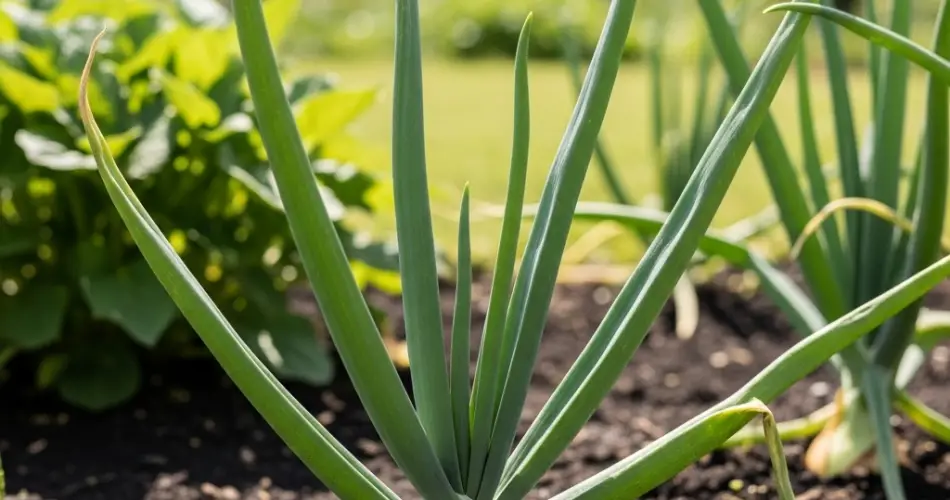
When it comes to home gardening, onions are a popular choice because they’re versatile, relatively easy to grow, and essential in countless recipes. However, there’s often a debate among gardeners about which type of onion is better to grow: green onions or bulb onions. Each has its own advantages depending on your garden space, culinary preferences, and how quickly you want results. This article will help you weigh the pros and cons of each type and determine which one suits your garden best.
Green Onions: Quick and Versatile
Green onions, also known as scallions or spring onions, are harvested before the bulb develops fully. They are grown primarily for their tender green tops and mild white bases. These onions are ideal for salads, stir-fries, soups, and garnishes. One of the biggest advantages of green onions is their speed and simplicity.
Fast Growth:
Green onions grow quickly. From seed, you can harvest them in as little as 30 days. If you’re regrowing them from kitchen scraps, results come even faster—within a week, you’ll see significant green shoots. This makes green onions perfect for impatient or first-time gardeners.
Minimal Space Required:
Green onions are well-suited for small gardens or even container growing. You can plant them densely in pots, window boxes, or raised beds without worrying about large root systems.
Regrow From Scraps:
One of the most appealing aspects of green onions is their ability to regrow. Simply cut off the green tops, leaving about an inch of the white base with roots, place it in water or moist soil, and watch them regenerate.
Continuous Harvesting:
Green onions allow for multiple harvests. You can snip what you need and let the plant continue growing. This makes them a productive and sustainable crop.
Bulb Onions: Long-Term Payoff
Bulb onions, including yellow, red, and white varieties, are grown primarily for their mature, round bulbs. These are the traditional onions used for roasting, caramelizing, and cooking in bulk.
Longer Growing Season:
Bulb onions take much longer to mature—typically between 90 and 150 days, depending on the variety. This means you’ll need to be more patient and plan your planting season accordingly.
Photoperiod Sensitivity:
Bulb onions are sensitive to day length. There are short-day, long-day, and intermediate-day varieties, and choosing the wrong one for your region can lead to poor bulb formation. Understanding your climate and day-length zone is crucial for a successful crop.
Storage Capabilities:
Unlike green onions, bulb onions can be cured and stored for months. Once harvested and properly dried, they can last well into the next season, making them ideal for long-term kitchen use.
Nutrient-Rich Soil Needs:
Bulb onions require well-drained, nutrient-rich soil and consistent moisture to develop properly. They also benefit from regular fertilization, particularly during bulb development.
Key Considerations for Gardeners
Space and Time:
If you’re short on space or time, green onions are the better choice. They grow quickly and can thrive in containers or small raised beds. Bulb onions, on the other hand, require more space and a longer commitment.
Culinary Use:
Think about how you use onions in your cooking. If you frequently use chopped green onions for garnish or quick meals, green onions are a great fit. If you rely on caramelized or roasted onions for deeper flavor, bulb onions are indispensable.
Climate:
Your region’s climate plays a big role in bulb onion success. Green onions are much more forgiving when it comes to climate and light, making them suitable for most home gardeners year-round.
Harvest Preferences:
Green onions offer a continuous harvest, while bulb onions are usually a one-time seasonal yield. If you prefer to harvest often in smaller quantities, go with green onions. If you prefer a big harvest to store, bulb onions are the way to go.
Which Should You Grow?
The answer largely depends on your needs and gardening conditions. If you’re a beginner or working with limited space and want fast results, green onions are your best bet. They’re low-maintenance, quick to grow, and can be regrown repeatedly from scraps. On the other hand, if you have the space, patience, and a desire for a longer-lasting pantry staple, bulb onions are worth the effort.
For many gardeners, the best option is not choosing one over the other—but growing both. Plant green onions for quick harvests and everyday use, while growing bulb onions in the background for a big reward at the end of the season. This way, your kitchen stays well-stocked with fresh onion flavor all year long.