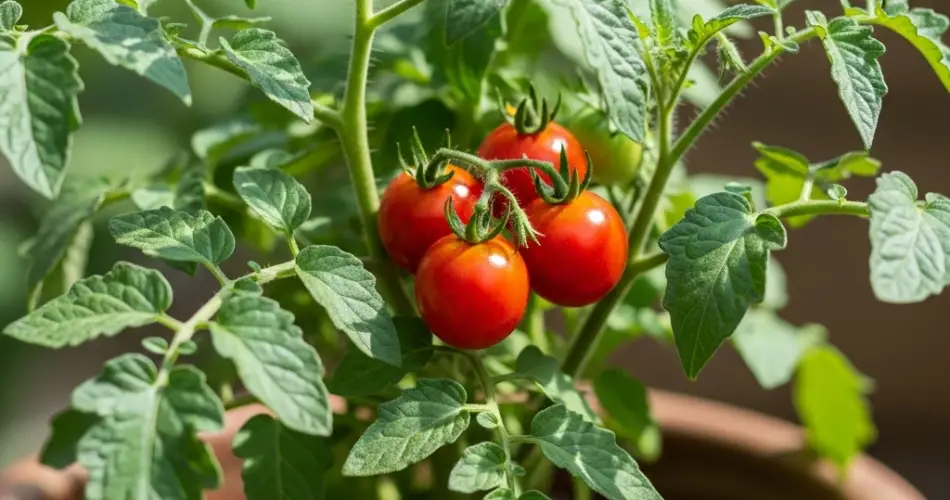
Tomatoes are a staple in home gardens due to their delicious flavor and versatility in the kitchen. Whether you grow them in pots on a balcony or in raised beds in the backyard, you want your plants to yield as much fruit as possible. While tomatoes are relatively easy to grow, there is one simple trick that can significantly boost your harvest—removing the plant’s lower leaves.
This straightforward technique is often overlooked by novice gardeners, yet it plays a major role in improving plant health, increasing yields, and enhancing fruit quality. Here’s how and why it works, along with some other helpful tomato-growing tips to maximize your harvest.
Why Removing Lower Leaves Works
As tomato plants grow, their lower leaves often become shaded by the upper foliage. These shaded leaves are less efficient at photosynthesis and can become a magnet for pests and diseases such as early blight or fungal infections. Removing these older leaves encourages the plant to focus its energy on growing new fruit and maintaining overall health.
Here are the key benefits:
-
Improved Air Circulation
Pruning the lower leaves creates more space around the base of the plant, allowing better airflow. This reduces humidity around the stems and leaves, lowering the chances of fungal diseases. -
Reduced Risk of Soil-Borne Disease
When lower leaves touch the ground, they can absorb moisture and pathogens from the soil. Removing them prevents splashing rain or watering from transferring disease. -
Better Light Penetration
With fewer leaves blocking the sun, light can reach the interior of the plant, helping upper leaves and developing fruit ripen more evenly. -
Energy Redirection
Once a leaf is no longer photosynthesizing efficiently, it drains energy from the plant. Removing non-essential foliage allows the plant to redirect energy toward fruit development.
When and How to Remove Lower Leaves
Timing and technique are important when pruning tomatoes. Here’s a simple guide:
-
Start When Plants Are 12–18 Inches Tall
Begin removing lower leaves once your plant has reached about 12 to 18 inches in height and has a well-established root system. -
Use Clean, Sharp Tools
Always use sanitized garden scissors or pruners to prevent the spread of disease. -
Remove Leaves Below the First Flower Cluster
As a rule, remove all leaves below the first set of flowers. This is typically about 8–12 inches from the base. These leaves have already served their purpose in supporting early growth. -
Avoid Over-Pruning
Don’t remove too many leaves at once. Taking off too much foliage can stress the plant. Limit pruning to a few leaves per session. -
Continue As Plant Grows
Throughout the season, continue to remove yellowing or diseased lower leaves. Maintain 8–10 inches of bare stem from the soil upward at all times.
Bonus Tip: Support Your Tomatoes
To support your tomato plant’s health and maximize yields, always use proper staking or caging. Keeping plants upright prevents fruit from touching the ground, enhances air circulation, and makes pruning easier.
-
Stakes: Tie the main stem loosely to a tall stake using garden twine.
-
Cages: Use sturdy tomato cages that can hold the plant’s weight as it produces fruit.
-
Trellis Systems: For indeterminate varieties, vertical trellising provides great support and makes pruning more effective.
Feeding and Watering for Bigger Yields
Proper nutrition and consistent watering also contribute significantly to yield:
-
Feed Regularly: Tomatoes are heavy feeders. Use a balanced fertilizer or one higher in phosphorus and potassium once flowers begin to form.
-
Water Deeply and Consistently: Uneven watering can lead to blossom end rot and split fruit. Water at the base of the plant early in the day to allow leaves to dry before evening.
Remove Suckers for Even More Fruit
Another simple trick to improve yield is to remove the “suckers”—small shoots that develop in the joint between the main stem and a leaf branch. These suckers eventually grow into full stems, competing with the main plant for nutrients. By removing them early, the plant can focus more energy on the main fruit-bearing stems.
Watch for Pests and Disease
Keep an eye out for common tomato pests like aphids, whiteflies, and hornworms. Catching infestations early makes them easier to manage. Likewise, remove any diseased foliage promptly to keep it from spreading to healthy parts of the plant.
Final Thoughts
Growing juicy, abundant tomatoes doesn’t require complex methods or expensive equipment. Sometimes, the simplest tricks yield the biggest results. By removing lower leaves, giving your plant room to breathe, and maintaining consistent care, you’ll enjoy a bigger, healthier tomato harvest. Whether you’re growing in containers or an open garden, this small adjustment can lead to tastier and more plentiful fruit all season long.


