Recycling is one of the most effective ways to reduce waste and protect the environment. But recycling doesn’t always mean tossing items into a bin and forgetting about them. Sometimes, it can be about finding a creative way to give materials a second life. Glass, in particular, is one of those materials that not only lends itself well to recycling but also to upcycling into decorative and useful household items.
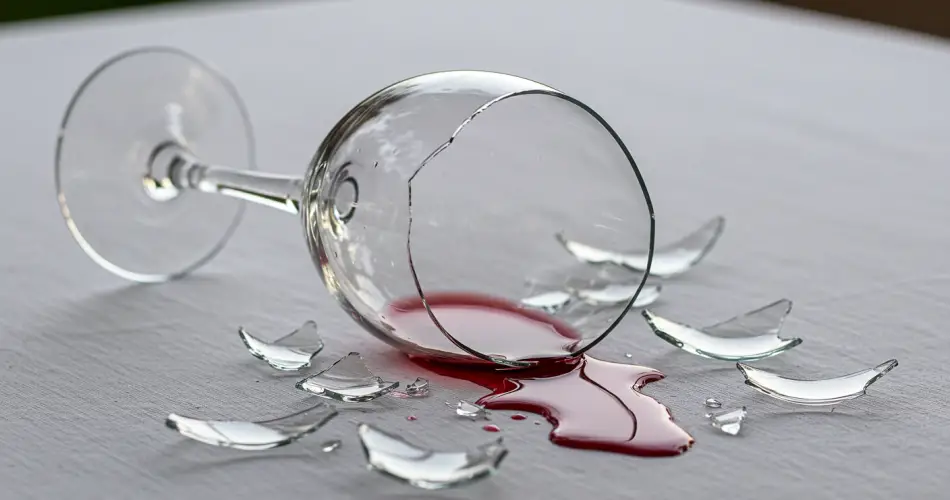
Broken glass might seem like nothing more than trash, but with some imagination—and the right safety precautions—it can be transformed into something beautiful and unique. Before exploring how to repurpose broken glass, however, it’s important to understand how glass disposal and recycling actually work.
Where Does Glass Go in Recycling?
At first glance, recycling glass seems straightforward: put glass in the “glass” bin. But the process is a little more complex, and it can vary depending on your municipality. For example, many people assume that a broken drinking glass should be disposed of with bottles and jars. In reality, that’s not always correct.
The reason is that not all glass is created equal. Bottles, jars, and food containers are made of recyclable glass that can be melted down and reshaped. These typically carry the symbol “VE,” confirming that they are pure glass and suitable for recycling.
On the other hand, drinking glasses, mirrors, ceramics, and tempered glass items are often mixed with other materials or treated with chemicals that make them non-recyclable in the same way. When mixed into the recycling stream, they can disrupt the process or reduce the quality of recycled glass products. For this reason, these items usually belong in general waste bins, unless your local recycling program specifically indicates otherwise.
This is why it’s always a good idea to check local guidelines. Throwing the wrong type of glass into the recycling bin can not only cause contamination but in some areas may even result in fines.
Broken Glass as a Resource: Creative DIY Ideas
Instead of throwing broken glass into the trash, why not consider repurposing it? With a little care, glass fragments can be transformed into art pieces, jewelry, or decorative household items. Here are some creative ideas recommended by DIY enthusiasts:
1. Abstract Mosaic Art
One of the most popular ways to use broken glass is to create mosaic artwork. Choose pieces of glass in different shapes and colors—whether from bottles, jars, or drinking glasses—and arrange them on a canvas or wooden board. Secure them with a strong adhesive to design abstract patterns, geometric shapes, or even landscapes.
If your broken glass isn’t colored, you can paint the pieces with acrylics or spray paint before fixing them in place. The result can be a striking wall decoration that brings texture and color to your space.
2. Handmade Jewelry
Broken glass can also be transformed into unique, eye-catching jewelry. Smaller pieces, especially from drinking glasses or decorative bottles, can be wrapped with thin wire, combined with beads or crystals, and turned into pendants, earrings, or bracelets.
This type of jewelry has a rustic, bohemian appeal and makes for a one-of-a-kind fashion statement. Plus, it’s a perfect way to recycle materials that would otherwise end up in a landfill.
3. Decorative Vases and Candle Holders
Sometimes, a glass item doesn’t need to be discarded just because it’s chipped or cracked. For example, a chipped bottle can still be used as a vase, while a cracked glass can serve as a candle holder. To make them safer and more visually appealing, apply hot glue along the edges and decorate them with beads, rhinestones, or metallic paint.
When used with tea lights, a cracked glass decorated in this way can create a warm, shimmering effect, perfect for cozy evenings at home.
4. Revamped Serving Trays
If you have an old tray that looks dull or scratched, broken glass can give it new life. By applying diluted white glue to the surface and pressing glass fragments into place, you can create a mosaic-style serving tray that looks entirely unique. The glossy surface of the glass adds elegance, while the irregular shapes give the tray an artisanal character.
Once sealed and dried, the tray can be used decoratively or functionally, serving as a centerpiece on a coffee table or a stylish way to serve drinks.
Safety First
Working with broken glass can be rewarding, but it does come with risks. Always prioritize safety before starting any project:
-
Wear thick protective gloves to prevent cuts.
-
Use safety glasses to protect your eyes from shards.
-
Smooth the edges of glass pieces with sandpaper or a glass file where possible.
-
Handle adhesives and tools carefully, and work on a stable, flat surface.
Taking these precautions ensures that your DIY project remains enjoyable and injury-free.
The Environmental and Personal Benefits of Upcycling
Recycling and upcycling broken glass goes beyond saving money or making beautiful objects—it’s about making conscious choices that benefit the planet. Glass is non-biodegradable, meaning it can take thousands of years to decompose in a landfill. By giving it a second life, you help reduce waste, conserve resources, and promote a culture of sustainability.
On a personal level, upcycling glass is also a creative outlet. Each project can reflect your style, whether rustic, modern, or eclectic. The process itself can be therapeutic, while the finished products carry the satisfaction of having transformed “waste” into something meaningful and useful.
A New Perspective on Waste
The next time you find yourself with a broken glass, don’t think of it as trash. Instead, consider it an opportunity. With a little creativity and care, glass shards can become art, jewelry, or functional household items. By reusing materials in this way, you not only reduce your ecological footprint but also add personality and uniqueness to your home.
Glass, with its durability, beauty, and versatility, deserves more than a one-time use. Recycling is good, but reimagining and repurposing broken glass is even better—turning what was once seen as waste into something truly extraordinary.