Many of us are constantly looking for ways to save money on household essentials while also reducing the use of chemical-laden products. Laundry detergents are one of those recurring expenses that can add up quickly, especially for large families. Luckily, there’s a simple and effective way to make your own laundry soap at home using just a few natural and inexpensive ingredients.
With a bar of soap, one tablespoon of sugar, and one tablespoon of baking soda, you can create a powerful homemade cleaner for washing clothes by hand. This do-it-yourself method has been shared by home and cleaning enthusiasts who love finding budget-friendly, eco-conscious solutions. Best of all, the ingredients are likely already in your kitchen or bathroom, so you won’t need to spend anything extra.
The Main Ingredients
The recipe is straightforward and uses only a handful of common items:
-
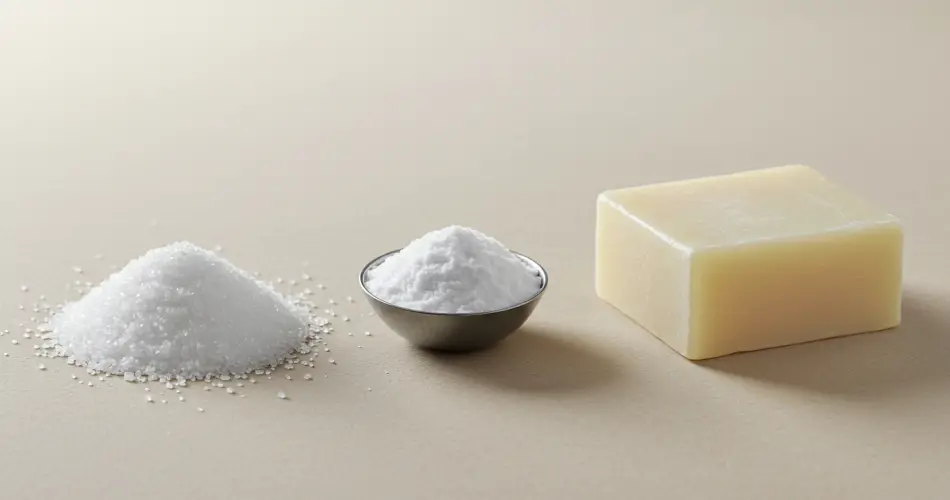
1 bar of soap (preferably Marseille soap or another natural soap)
-
1 tablespoon of sugar
-
1 tablespoon of baking soda
-
Hot water
Optional extras include a pinch of salt (fine or coarse) and a few drops of essential oil for fragrance, but the basic version works perfectly well on its own.
Each ingredient has a specific role to play in the effectiveness of the final product:
-
Soap: Provides the cleansing base, helping to lift dirt and grease from fabrics.
-
Baking soda: Acts as a natural deodorizer and softener, while also enhancing cleaning power.
-
Sugar: Surprising as it may sound, sugar adds a gentle abrasive quality that boosts scrubbing action without damaging fabrics.
-
Water: Dissolves and blends everything together, creating a smooth mixture that can later be solidified into usable soap bars.
Step-by-Step Preparation
Making this homemade laundry soap takes a bit of time but is very simple to follow. Here’s the process:
-
Grate the soap: Using a cheese grater, grate the entire bar of soap into fine shavings. This helps it dissolve more easily later on. Place the shavings into a large bowl.
-
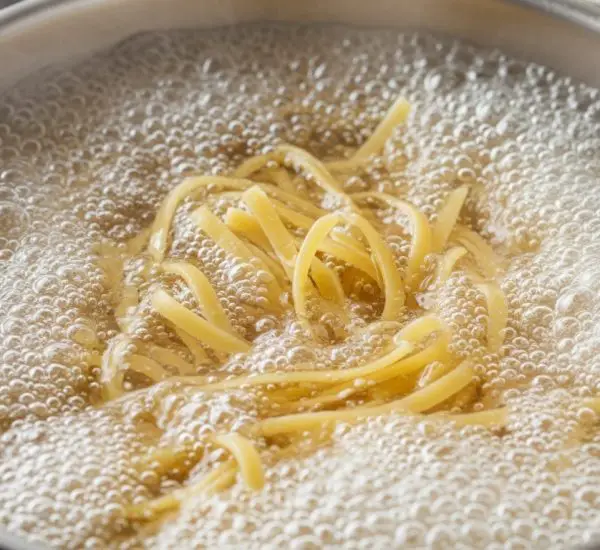
Dissolve in water: Transfer the soap flakes to a pot filled with hot water. Bring it to a gentle boil and stir occasionally until the soap has completely melted.
-
Add sugar: Stir in one tablespoon of sugar while the mixture is still hot. Continue mixing until it dissolves.
-
Add baking soda: After a few minutes, add one tablespoon of baking soda. This will cause a slight fizzing reaction, so keep stirring until everything is well combined.
-
Optional additions: If you like, add a small handful of salt to strengthen the mixture or a few drops of essential oil for fragrance. Lavender, lemon, or eucalyptus oils are popular choices that leave clothes smelling fresh.
-
Pour into a tray: Once the mixture has been cooking for about 20 minutes, pour the thickened liquid into a clean baking tray.
-
Bake to solidify: Preheat the oven to 120°C (about 250°F) and place the tray inside. Leave it until the mixture solidifies but avoid overcooking or burning it.
-
Cool and cut: Turn off the oven and allow the tray to cool completely. Once cooled, the solid slab can be cut into smaller bars for convenient use.
How to Use the Homemade Soap
The finished product is a natural laundry soap designed for hand-washing clothes. Simply wet the fabric, rub the bar gently over it, and then rinse thoroughly. The combination of soap, sugar, and baking soda works to remove stains, freshen fabrics, and leave clothes clean without the need for commercial detergent.
It’s important to note that this homemade soap is not intended for personal use on skin, hair, or the face. Its formulation is specifically for laundry, where the added sugar and baking soda deliver the best results.
Benefits of Making Your Own Laundry Soap
There are several reasons why this DIY laundry soap is worth trying:
-
Cost Savings
Commercial detergents can be expensive, especially if you’re buying specialized formulas for delicates or sensitive skin. With this recipe, you’re using ingredients that cost very little and are often already on hand, meaning you save money month after month. -
Eco-Friendly
By making your own soap, you cut down on plastic packaging from store-bought detergents. Additionally, the ingredients are biodegradable, making this solution much kinder to the environment. -
Safe Ingredients
Unlike many commercial detergents that contain synthetic fragrances, preservatives, or harsh chemicals, this homemade soap uses simple, natural ingredients. This makes it safer for households with sensitive skin, children, or pets. -
Customizable
You can easily adjust the recipe to suit your needs. Adding essential oils allows you to choose your favorite scent, while adding more baking soda can increase the soap’s deodorizing power. -
Satisfying DIY Project
There’s something rewarding about making your own household products from scratch. Not only does it give you a sense of independence, but it also connects you to traditional cleaning methods used before modern detergents became widely available.
Tips for Best Results
-
Store the soap bars in a dry, cool place to prevent them from becoming too soft.
-
If you find the mixture too crumbly after baking, try adding a bit more water next time during the cooking process.
-
For tougher stains, pre-treat fabrics by rubbing the soap directly onto the stained area before soaking.
-
Always rinse clothes thoroughly to ensure no residue is left behind.
Final Thoughts
Creating homemade laundry soap with just a bar of soap, sugar, and baking soda is an easy, cost-effective, and environmentally friendly alternative to store-bought detergents. With minimal effort, you can prepare several bars that will last weeks, ensuring clean and fresh-smelling laundry without breaking the bank.
This simple recipe not only saves money but also avoids harsh chemicals, making it a safe option for households looking to embrace more natural cleaning practices. Next time you’re about to buy detergent, consider trying this DIY method instead — your wallet, your clothes, and the planet will thank you.