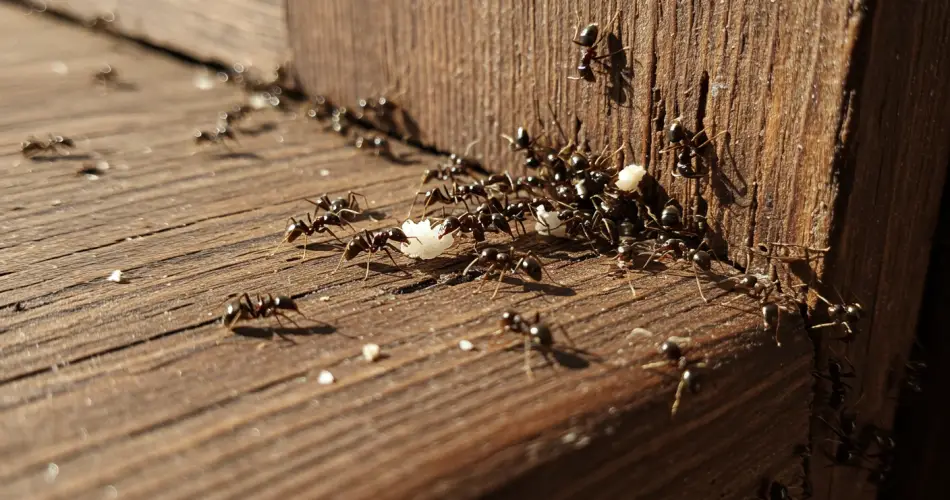
As the warmer months arrive, many homeowners face a familiar and frustrating problem: ants crawling along the baseboards and finding their way inside the house. These tiny invaders seem to appear out of nowhere as soon as the weather turns mild, quickly becoming an unwelcome nuisance indoors. While many people instinctively reach for chemical insecticides, there are natural and effective alternatives that are safer, cheaper, and just as efficient. One of the simplest remedies involves a quick homemade spray that can be prepared with common household ingredients.
Why Ants Appear in the Warmer Months
Ants are highly active during spring and summer. Warmer temperatures stimulate their search for food and water, and unfortunately, our homes often provide both. Kitchens, pantries, and even the smallest crumbs or moisture sources can attract colonies. Ants usually gain entry through tiny cracks in the wall, gaps around windows or doors, or crevices along the baseboards. Once they establish a trail, it can seem almost impossible to stop them without taking direct action.
The first step in dealing with ants is always identifying their entry point. More often than not, it’s a small opening in the wall or baseboard where they’re entering in search of food. Once the source is found, you can apply a natural repellent directly to that area for maximum effectiveness.
The Homemade Ant Spray Solution
What makes this method so appealing is its simplicity and accessibility. You don’t need special equipment or expensive products — the ingredients are likely already sitting in your kitchen cabinet. The spray only requires three things:
-
White vinegar (also called alcohol vinegar)
-
Water
-
Dishwashing liquid
In addition, you’ll need a plastic bottle with a spray nozzle to apply the mixture effectively.
Here’s how to make it step by step:
-
Measure the liquids: Start by pouring 150 ml of water into a container. Add 150 ml of white vinegar.
-
Add the dish soap: Stir in one or two tablespoons of dishwashing liquid. This not only helps the solution stick to surfaces but also increases its effectiveness in breaking down the ants’ protective exoskeletons.
-
Transfer to a spray bottle: Pour the mixture into a plastic bottle. If you don’t have a standard spray bottle, you can repurpose a soda bottle by attaching a spray nozzle to the top.
-
Shake well before use: Ensure the ingredients are well-mixed before applying.
Now, the solution is ready to use.
How to Use the Spray Effectively
Once the spray is prepared, head directly to the spot where the ants are coming in. Apply a generous amount along the baseboards, focusing on the cracks or crevices you’ve identified. Don’t be afraid to spray liberally — the solution is completely safe for household use and leaves no toxic residue behind.
It’s important to perform multiple sprays to ensure that the ants are thoroughly eliminated. You’ll notice results almost immediately. The vinegar’s acidity disrupts the ants’ sense of smell, which they rely on to follow trails. The dish soap, meanwhile, interferes with their ability to survive, while the water dilutes the mixture to make it easy to spray in larger quantities. Within a short time, you’ll find that the ant problem diminishes significantly, if not completely.
Why Choose a Natural Remedy Over Chemicals?
Many people rely on commercial ant-killing sprays or powders, but these often come with several downsides. Chemical products can contain toxic substances that pose risks to humans and pets. When sprayed along baseboards, there’s always a chance that children might touch the treated surfaces or that pets could lick or inhale the chemicals. Over time, this exposure can be harmful.
In contrast, the vinegar-based solution is entirely natural and non-toxic. It won’t leave behind harmful residues, making it a safer choice for households with kids, dogs, or cats. The strong scent of vinegar also acts as a deterrent, discouraging ants from returning to the treated area.
Another advantage is cost. Chemical sprays and traps can be surprisingly expensive, especially when used repeatedly throughout the season. This homemade spray costs almost nothing to prepare, since it uses inexpensive and readily available ingredients. Not only does it save money, but it also avoids the waste of constantly buying new products in plastic containers.
Extra Tips for Keeping Ants Out of the Home
While the spray is highly effective, prevention is equally important. Here are some additional strategies to reduce the risk of ants returning:
-
Seal cracks and entry points: Use caulk or sealant to close any visible gaps along the baseboards, windows, and doors.
-
Maintain cleanliness in the kitchen: Wipe down counters, sweep floors, and avoid leaving food or crumbs exposed. Even small spills can attract ants.
-
Store food properly: Keep pantry items in airtight containers to reduce the chances of ants detecting food sources.
-
Reduce standing water: Fix leaks and avoid leaving water in sinks or pet bowls for long periods. Ants are just as drawn to moisture as they are to food.
By combining preventive measures with the homemade spray, you’ll be well-equipped to handle ant infestations naturally and efficiently.
The Bottom Line
Ants along the baseboards are a seasonal problem that can quickly become overwhelming if left unchecked. While chemical insecticides are widely available, they often come with health risks and unnecessary expenses. Instead, a simple mixture of white vinegar, water, and dish soap provides a powerful, safe, and inexpensive way to eliminate ants from your home.
With just a few sprays applied directly to their entry points, you’ll see the ants disappear in no time. This natural remedy not only protects your home but also ensures a safer environment for your family and pets. As the warm months return, having this spray ready in your cleaning toolkit is one of the easiest and most effective ways to keep ants at bay.