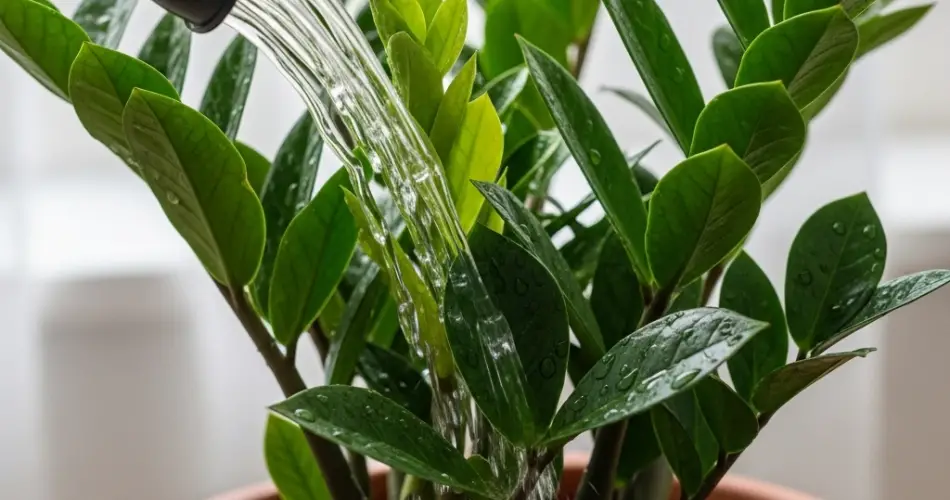
The ZZ plant (Zamioculcas zamiifolia) has earned a reputation as one of the most low-maintenance indoor plants. Its thick, waxy leaves and resilient root system make it ideal for both beginners and seasoned plant enthusiasts. However, while ZZ plants are hardy, improper watering—especially overwatering—can still lead to decline. Understanding how, when, and how much to water is essential for ensuring the plant’s long-term health and vibrant growth.
This guide explains the best practices for watering ZZ plants, helping you avoid common mistakes while supporting consistent, healthy development.
Why Watering ZZ Plants Is Tricky
ZZ plants are native to arid regions of Eastern Africa, where rainfall is infrequent but intense. As a result, the plant has adapted to survive long dry periods. Its underground rhizomes (potato-like structures) store water, allowing the plant to withstand neglect better than many houseplants.
This adaptation means that the ZZ plant is highly drought-tolerant—but also extremely sensitive to overwatering. The key to success is replicating its natural environment: infrequent, deep watering and well-draining soil.
How Often to Water
Less is more when it comes to watering ZZ plants. A general rule is to water every 2–3 weeks, but this depends on several factors:
-
Season: In spring and summer, during active growth, the plant may need water every two weeks. In fall and winter, watering once every three to four weeks is often sufficient.
-
Light Conditions: Plants in bright, indirect light dry out faster than those in low-light corners.
-
Temperature and Humidity: Warm and dry indoor air leads to quicker soil drying. Humid, cooler environments retain moisture longer.
Always test the soil before watering. Stick your finger 2–3 inches into the soil. If it feels dry at that depth, it’s safe to water. If it’s still moist, wait a few more days.
How to Water Properly
When it’s time to water your ZZ plant, make sure you do it thoroughly and correctly:
-
Water evenly across the surface of the soil until excess water begins to drain out from the bottom of the pot.
-
Allow full drainage. Make sure no water sits in the saucer or decorative pot. Empty it after watering.
-
Let the soil dry out completely between waterings. This is crucial for preventing root rot.
Avoid giving small amounts of water frequently. This leads to shallow root growth and inconsistent hydration. Instead, opt for a “soak and dry” method.
Pot and Soil Considerations
Even perfect watering can go wrong if your plant’s pot and soil aren’t suitable. To help your ZZ thrive:
-
Use a pot with drainage holes. This prevents water from accumulating at the bottom and suffocating the roots.
-
Choose a well-draining soil mix. A cactus or succulent blend works well, or you can mix regular potting soil with perlite or sand to improve drainage.
-
Avoid heavy, moisture-retentive soils such as clay-based mixtures, which increase the risk of rot.
If your plant is in a decorative pot without holes, always keep it in a plastic liner pot inside, so you can lift it out to water and drain it thoroughly.
Signs of Overwatering
Too much water is the most common mistake made with ZZ plants. Watch out for these symptoms:
-
Yellowing leaves, especially lower ones
-
Soft, mushy stems or rhizomes
-
Soil that stays wet for days
-
Musty smell from the pot
If overwatering is suspected, remove the plant from its pot, check the roots and rhizomes for rot, trim away any soft or blackened parts, and repot in fresh, dry soil.
Signs of Underwatering
While ZZ plants prefer to dry out between waterings, prolonged neglect can eventually take a toll. Symptoms of underwatering include:
-
Wrinkled or curled leaves
-
Leaf tips turning brown
-
Stunted growth
Thankfully, underwatering is usually reversible. Resume deep watering and monitor recovery over the next few weeks.
Adjusting for the Environment
The plant’s watering needs shift depending on environmental conditions:
-
In brighter rooms, soil dries faster. Check more frequently.
-
In low-light areas, reduce watering. These conditions slow down both evaporation and plant growth.
-
During winter, when growth slows, drastically reduce watering frequency to avoid moisture buildup.
Adding a small fan or using a grow light can help balance conditions in rooms where airflow or natural sunlight is limited.
Final Thoughts
Watering a ZZ plant may seem deceptively simple, but it requires attention and balance. The plant’s ability to store water gives it a high tolerance for drought, but not for soggy soil. Learning to read the soil’s moisture level and observing the plant’s visual cues are the most reliable strategies.
Choose a well-draining pot and soil, water thoroughly but sparingly, and adapt your routine based on the seasons and your indoor environment. With these practices, your ZZ plant will continue to flourish, adding effortless greenery to your space for years to come.


