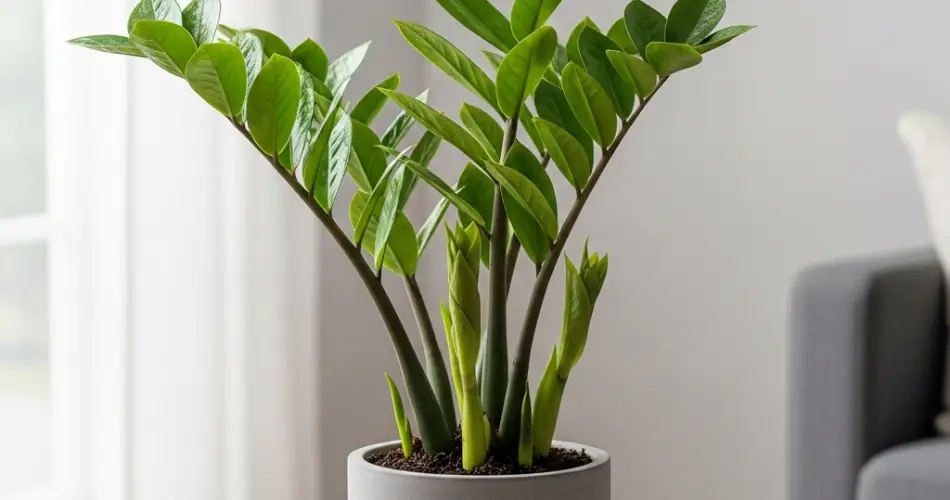
The ZZ plant (Zamioculcas zamiifolia) is a popular choice for homes and offices because of its glossy leaves, sculptural shape, and incredible tolerance for neglect. Known as one of the toughest houseplants, the ZZ plant can survive in low light and with minimal watering. However, while it is forgiving, understanding how to adjust watering practices across different seasons is the key to keeping it truly healthy and thriving.
Since the needs of the ZZ plant shift with temperature, light availability, and humidity, you cannot rely on the same watering schedule all year round. By learning to adapt care through seasonal changes, you can avoid overwatering—a common killer of ZZ plants—and ensure steady, long-lasting growth.
The Natural Rhythm of the ZZ Plant
The ZZ plant is a drought-tolerant species native to Eastern Africa, where it thrives in dry forests and grasslands. Its thick rhizomes store water, allowing it to endure long stretches without moisture. Indoors, this resilience makes it seem like the plant hardly ever needs attention, but subtle seasonal shifts in growth and dormancy do influence how often it should be watered.
-
Spring and Summer: The plant enters its active growing period, pushing out new stems and leaves. It requires more frequent hydration to fuel this growth.
-
Fall and Winter: Growth slows significantly or stops altogether. During this time, the ZZ plant uses stored water from its rhizomes and requires less frequent watering.
By paying attention to these cycles, you can water wisely and protect the plant’s roots from excess moisture.
Watering in Spring and Summer
As daylight increases and temperatures warm, the ZZ plant wakes up from its slower winter rhythm and begins growing again. This is the time when its watering needs rise.
Key Tips:
-
Check Soil Before Watering: Always let the top 2 inches of soil dry before watering again. Even in active growth, the ZZ plant does not like soggy soil.
-
Frequency: Typically, watering every 10–14 days in spring and summer is sufficient. However, in very bright, warm conditions, your plant may need water every 7–10 days.
-
Water Deeply: Give the soil a thorough soak until water drains out of the pot. Empty any excess water from the saucer to prevent root rot.
-
Humidity Considerations: ZZ plants tolerate a wide range of humidity levels, but in hot, dry climates, occasional misting around the plant or a nearby humidifier can help prevent leaf tips from browning.
-
Fertilizer Pairing: Since the plant is actively growing, this is also the best season to fertilize. Watering sessions can be combined with monthly feedings of diluted liquid fertilizer to encourage lush foliage.
During spring and summer, consistency matters. Keeping a steady rhythm of drying out and rehydrating helps the plant stay balanced.
Watering in Fall and Winter
As the days shorten and temperatures drop, the ZZ plant naturally slows its growth. This dormancy period means it consumes less water, and continuing with a summer routine could lead to overwatering.
Key Tips:
-
Extend the Intervals: In fall and winter, watering every 3–4 weeks is often enough. Some ZZ plants can even go longer depending on indoor humidity and light.
-
Check for Dampness: Before watering, feel the soil at least 2–3 inches down. If it’s still damp, wait several more days before testing again.
-
Avoid Root Rot: Cool, wet soil is the biggest danger for ZZ plants in winter. Make sure your pot has drainage holes and that the soil drains quickly.
-
Light and Temperature Impact: If your ZZ plant is in a darker corner during winter, it will need even less water. On the other hand, if it’s near a heater, the soil may dry out faster, so adjust accordingly.
-
Skip Fertilizer: Since the plant isn’t actively growing, hold off on feeding during the winter months.
The rule of thumb in winter is to err on the side of underwatering. The ZZ plant’s rhizomes act like built-in reservoirs, ensuring survival through dry periods.
How to Know If You’re Watering Correctly
Instead of sticking to rigid schedules, learn to read your plant. Signs of correct watering include:
-
Leaves that remain glossy and upright.
-
New growth emerging in spring and summer.
-
Soil that fully dries between waterings without causing drooping.
Signs of overwatering: yellowing leaves, mushy stems, or foul-smelling soil. Signs of underwatering: wrinkled stems and dry, curling leaves. Fortunately, the ZZ plant usually bounces back from underwatering more easily than from being overwatered.
Final Thoughts
Watering the ZZ plant may seem effortless, but adjusting your approach to the seasons makes a big difference. In spring and summer, provide slightly more frequent and thorough watering to support active growth. In fall and winter, scale back and allow the soil to dry out for longer periods to protect the roots.
This seasonal balance not only prevents the most common issues with ZZ plants but also encourages strong, steady growth year after year. With the right watering rhythm, your ZZ plant will remain a glossy, vibrant, and nearly indestructible companion in your home or office.


