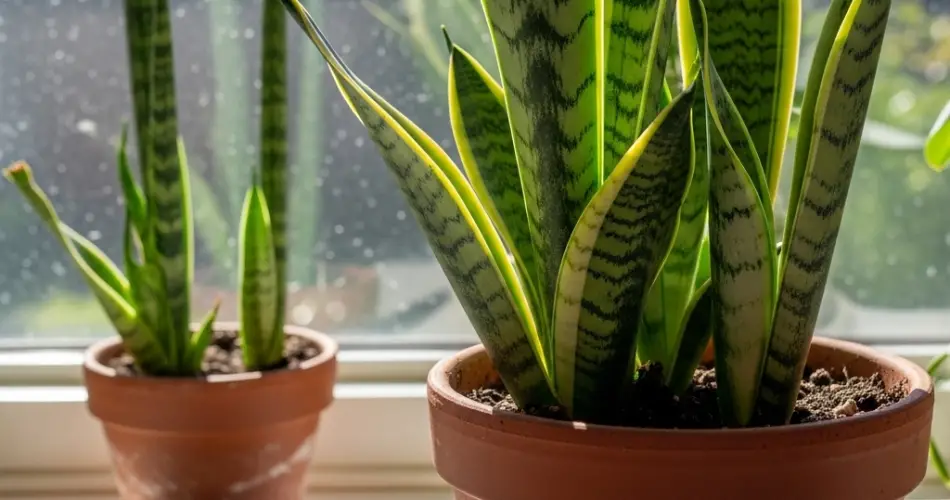
Snake plants, also known as Sansevieria or Dracaena trifasciata, are among the easiest houseplants to care for due to their resilience and low-maintenance nature. However, like all plants, snake plants require adjustments in watering routines according to seasonal changes. Proper watering is crucial to prevent root rot, promote healthy growth, and maintain the plant’s iconic upright foliage. This guide explains how to water snake plants effectively throughout the year, taking into account seasonal variations in light, temperature, and humidity.
Understanding Snake Plant Water Needs
Snake plants are succulents that store water in their thick, fleshy leaves, making them highly drought-tolerant. Overwatering is one of the most common mistakes in snake plant care and can quickly lead to root rot. Conversely, underwatering can cause leaf tips to brown and slow growth. Understanding your plant’s water needs and adjusting them seasonally ensures a healthy, thriving plant year-round.
Watering During Spring and Summer
Spring and summer are the active growing seasons for snake plants. During these months, the plant’s metabolic activity increases, requiring more frequent watering. Typically, water your snake plant every 1–2 weeks, allowing the top 1–2 inches of soil to dry out completely between watering sessions. Check soil moisture by inserting your finger into the soil; if it feels dry at the recommended depth, it is time to water.
During warm months, snake plants may also benefit from occasional foliar misting, especially in dry indoor environments. While these plants primarily absorb water through their roots, light misting can help maintain leaf hydration and reduce dust buildup.
Watering During Fall and Winter
In fall and winter, snake plants enter a period of reduced growth and lower water requirements. Cooler temperatures and shorter daylight hours slow down their metabolism, meaning overwatering during this time can be particularly harmful. Reduce watering frequency to once every 3–4 weeks, ensuring the soil remains mostly dry between watering sessions. Always check soil moisture before watering to prevent soggy conditions that could lead to root rot.
Avoid watering based solely on a calendar schedule. Seasonal adjustments should also consider indoor temperature fluctuations, humidity levels, and the specific conditions of your home.
Factors Affecting Seasonal Watering
Several factors influence how often snake plants need water during different seasons:
-
Light Levels: Higher light levels in spring and summer promote faster growth and increased water uptake. In lower light conditions during winter, the plant requires less water.
-
Temperature: Warmer indoor temperatures in summer increase evaporation from soil and plant leaves, necessitating more frequent watering. Cooler winter temperatures slow evaporation and reduce water needs.
-
Humidity: Low indoor humidity, common in winter due to heating systems, can slightly increase water requirements, but overwatering should still be avoided. Conversely, higher humidity in summer may allow for less frequent watering if the soil retains moisture longer.
-
Container and Soil Type: Well-draining soil and pots with drainage holes prevent water accumulation. Clay pots allow soil to dry faster than plastic containers, affecting how often you need to water.
Signs Your Snake Plant Needs Water
Understanding your plant’s signals helps maintain a proper watering schedule. Signs of underwatering include drooping or curling leaves, brown tips, and slow growth. Overwatering symptoms include soft, mushy leaves, yellowing, and rotting roots. Monitoring these signs alongside soil moisture checks ensures your snake plant receives the right amount of water for the season.
Tips for Seasonal Watering Success
-
Use room-temperature water to prevent shocking the roots.
-
Water the soil directly rather than the leaves to reduce the risk of fungal diseases.
-
Always allow excess water to drain completely from the pot.
-
Avoid letting the plant sit in standing water, especially during winter months.
-
Adjust watering frequency based on observed growth patterns and seasonal environmental changes rather than a fixed schedule.
Benefits of Proper Seasonal Watering
Adjusting your watering routine according to seasonal changes ensures that snake plants remain healthy, vibrant, and stress-free. Proper water management prevents common issues such as root rot, leaf yellowing, and stunted growth, while promoting strong, upright foliage. Seasonal care also encourages longer lifespans for these low-maintenance plants, allowing you to enjoy their air-purifying benefits and striking appearance year-round.
By understanding the seasonal needs of your snake plant and monitoring soil moisture, you can provide the right balance of hydration throughout the year. This simple yet critical care practice keeps your plant thriving, enhances its natural beauty, and supports overall indoor plant health.


