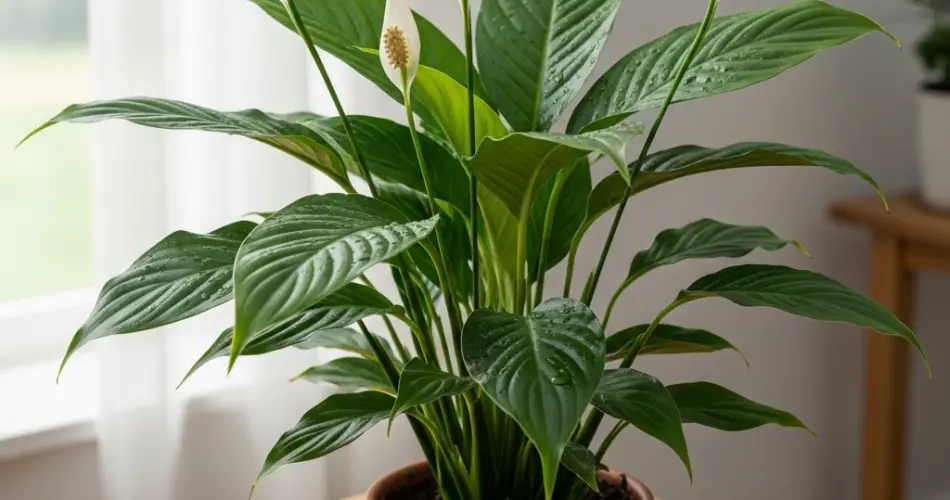
Peace lilies (Spathiphyllum) have long been favorites in indoor gardening thanks to their graceful white blooms and deep green foliage. They bring elegance to any room while also improving air quality. Known for their adaptability, peace lilies are often recommended to beginners, but mastering expert care techniques can truly elevate their beauty and longevity. With the right approach, your peace lily can thrive year-round and remain the centerpiece of your indoor plant collection.
Choosing the Perfect Spot
One of the first steps in caring for a peace lily is selecting the right location. Although these plants are tolerant of low-light conditions, they perform best in bright, indirect light. A north- or east-facing window is ideal. If placed in very low light, the plant may produce lush leaves but fewer blooms. Conversely, too much direct sun can scorch the foliage.
For optimal results, rotate your peace lily every couple of weeks so all sides receive even light exposure. This prevents lopsided growth and maintains a symmetrical, attractive shape.
Mastering the Art of Watering
Watering is the aspect of care that most often confuses new plant owners. Peace lilies prefer consistently moist soil, but they should never sit in standing water. Overwatering leads to root rot, while underwatering causes the leaves to droop dramatically.
An expert trick is to check the top inch of soil—if it feels dry, it’s time to water. Use room-temperature water and allow excess to drain completely. For those in areas with hard tap water, consider using filtered or distilled water, as peace lilies are sensitive to chlorine and fluoride.
A simple practice is to water on a routine schedule while adjusting to seasonal changes. In summer, the plant may need water more frequently, while in winter it will slow down and require less.
Providing the Right Humidity
Originating from tropical rainforests, peace lilies love humidity. Indoor air, especially with heating or cooling systems, can often be too dry. To replicate their natural environment, increase humidity around your plant.
Here are a few methods:
-
Place the pot on a tray of pebbles with water, ensuring the base doesn’t sit directly in the water.
-
Mist the leaves lightly several times a week.
-
Group peace lilies with other houseplants to create a microclimate.
-
Use a humidifier in particularly dry rooms.
Consistently high humidity not only keeps leaves glossy but also prevents brown tips and encourages healthier blooms.
Feeding for Growth and Flowers
Fertilizing correctly makes a noticeable difference in your peace lily’s vitality. During the growing season (spring through early fall), apply a balanced, water-soluble houseplant fertilizer once a month at half strength. This promotes lush foliage and enhances the plant’s ability to produce its signature white spathes.
Avoid over-fertilizing, as this can lead to salt buildup in the soil and cause leaf damage. Flush the soil with clean water occasionally to wash away any excess fertilizer salts. During winter, stop feeding since the plant enters a period of slower growth.
Pruning and Grooming
Regular maintenance enhances both appearance and health. Remove any yellowing or brown leaves at the base with clean scissors to prevent the plant from expending energy on damaged foliage. Spent blooms should also be cut off to encourage new flowering.
Gently wipe the leaves with a damp cloth every few weeks. This not only keeps the plant looking fresh but also improves photosynthesis by removing dust that blocks light absorption.
Repotting for Longevity
Peace lilies thrive when their roots have space to grow. Every 1–2 years, inspect the plant for signs of being root-bound, such as roots circling the pot’s surface or emerging from drainage holes. If so, repot into a container one size larger, using a well-draining potting mix rich in organic matter.
Repotting refreshes the soil, prevents overcrowding, and boosts the plant’s energy for growth and blooming.
Common Challenges and Solutions
Even with expert care, peace lilies sometimes encounter problems:
-
Drooping leaves: Usually a sign of underwatering. Water thoroughly and watch the plant perk up within hours.
-
Brown tips: Often caused by low humidity or water quality. Improve humidity and switch to filtered water if necessary.
-
Lack of blooms: Indicates insufficient light or lack of nutrients. Move the plant to a brighter location and apply balanced fertilizer during the growing season.
Addressing these issues quickly ensures your peace lily remains healthy and visually striking.
Creating the Perfect Indoor Atmosphere
Peace lilies are not just plants—they create atmosphere. Their clean lines and white spathes pair well with modern interiors, while their lush foliage adds depth to traditional spaces. They also act as natural air purifiers, removing toxins like benzene, formaldehyde, and carbon monoxide.
By combining proper placement, attentive watering, humidity control, and regular care, you can create an environment where your peace lily doesn’t just survive but thrives.
Final Thoughts
Growing a stunning peace lily indoors is about understanding its tropical origins and replicating those conditions as closely as possible. Through balanced watering, humidity management, careful feeding, and mindful grooming, you can transform this already elegant plant into a thriving showpiece.
When treated with expert techniques, peace lilies reward their caretakers with vibrant leaves and elegant blooms, turning any indoor space into a serene sanctuary.


