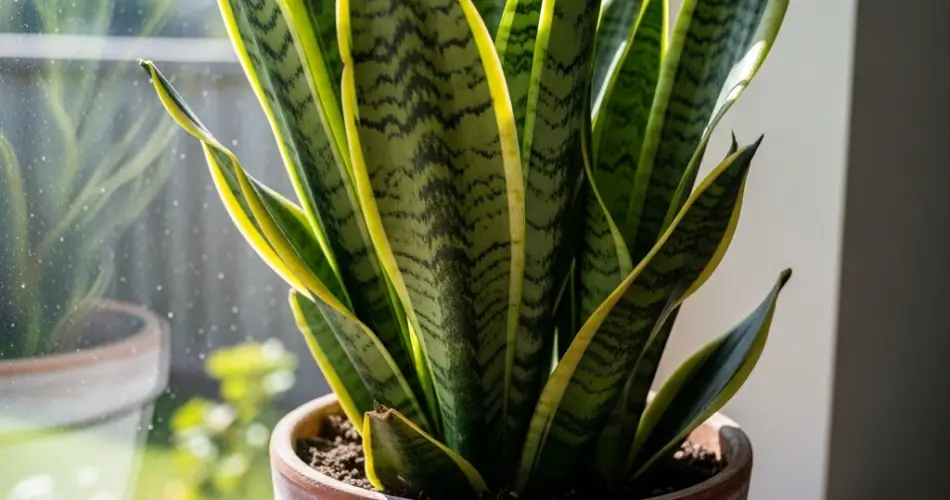
Snake plants (Sansevieria, also called Dracaena trifasciata) are among the most resilient and low-maintenance houseplants you can grow. With their upright, sword-like leaves and striking patterns, they bring a touch of elegance to any space. One of the main reasons people love snake plants is their drought tolerance, making them forgiving for forgetful waterers. However, even these hardy plants need occasional hydration, and learning the signs of when to water is key to keeping them healthy and beautiful.
Unlike many other indoor plants, snake plants thrive on neglect and prefer drier conditions. Overwatering is their biggest enemy, often leading to root rot. To keep your plant thriving, it’s important to recognize when it truly needs a drink rather than sticking to a rigid watering schedule. Here’s a guide to understanding your snake plant’s needs and ensuring it stays in peak condition.
Check the Soil First
The most reliable way to determine if your snake plant needs water is to check the soil. Snake plants prefer their soil to dry out almost completely between waterings. Insert your finger about 2–3 inches into the soil. If it feels completely dry, it’s time to water. If there’s still some moisture, wait a few more days before checking again.
For a more precise method, you can use a moisture meter. A reading on the dry end of the scale means the plant is ready for water. Snake plants generally need watering every 2–6 weeks, depending on factors like season, pot size, and indoor conditions.
Look at the Leaves
Your snake plant’s leaves offer clear visual cues about its hydration status. Healthy leaves are upright, firm, and plump. When the plant is thirsty, you may notice:
-
Wrinkling or curling leaves – a sign of water loss.
-
Soft or bendable leaves – the plant is starting to dehydrate.
-
Leaves folding inward – a way for the plant to conserve water.
These changes are usually gradual, so checking regularly helps you catch the signs early before your plant experiences stress.
Monitor Leaf Color
Leaf color can also provide clues. While yellowing leaves often point to overwatering, dry and crispy edges may indicate the plant is too thirsty. If you see dull or faded green leaves, combined with wrinkling, your snake plant likely needs a good drink.
Weight of the Pot
An easy trick is to lift the pot. A container with moist soil feels noticeably heavier than one with dry soil. Over time, you’ll get a sense of your plant’s normal weight right after watering versus when it’s dry. This method is especially useful for larger pots where checking deep soil moisture by touch is more difficult.
Seasonal Watering Differences
Snake plants adjust their needs with the seasons. In spring and summer, they are in active growth and may require more frequent watering, roughly every 2–3 weeks. In fall and winter, growth slows, and the plant can go for 4–6 weeks without water. Always let the soil be your guide rather than the calendar, but keep seasonal changes in mind when evaluating your plant’s needs.
Avoiding Overwatering
While knowing when to water is important, it’s equally essential not to water too often. Snake plants store moisture in their thick leaves, meaning they can withstand drought far better than soggy soil. Signs of overwatering include:
-
Mushy or drooping leaves
-
Yellowing foliage starting from the base
-
A musty smell from the soil (possible root rot)
If you suspect overwatering, allow the soil to dry out thoroughly before watering again. In severe cases, repotting into fresh, dry soil may be necessary to save the plant.
Best Watering Practices
When your snake plant does need a drink, water it thoroughly. Pour water evenly across the soil surface until it drains out of the bottom holes. Empty any excess water from the saucer to prevent roots from sitting in moisture. It’s always better to water deeply and less often than to give frequent, shallow sips.
If your tap water contains high amounts of salts, chlorine, or fluoride, these can sometimes damage the leaves over time. To prevent this, consider using filtered water or leaving tap water out overnight before watering.
Creating the Right Environment
Alongside proper watering, providing the right environment will keep your snake plant healthy. Use a well-draining potting mix, ideally one designed for succulents or cacti, and place the plant in a container with drainage holes. Keep it in moderate to bright indirect light, though snake plants can also tolerate lower light conditions.
Maintaining proper conditions means your plant will need water less frequently, reducing the risk of overwatering while ensuring strong growth.
Final Thoughts
Snake plants are famously easy to care for, but even they need occasional attention to stay at their best. By checking the soil, observing the leaves, monitoring pot weight, and adjusting for seasonal changes, you can learn to recognize exactly when your plant needs a drink. Remember, underwatering is easier to correct than overwatering, so when in doubt, wait a little longer before watering.
With these techniques, your snake plant will remain a striking and resilient feature in your home, thriving with minimal care and rewarding you with its enduring beauty.


