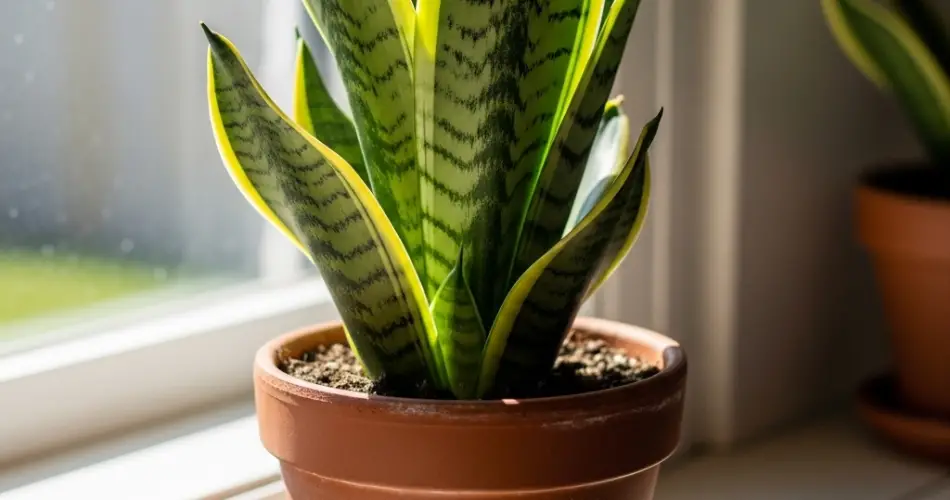
Snake plants, also known as Sansevieria or Dracaena trifasciata, are popular indoor plants renowned for their resilience, striking foliage, and low-maintenance nature. Despite their hardy reputation, proper watering is essential to keep these plants healthy and thriving. Overwatering is the most common mistake among beginner plant owners, while underwatering can slow growth and affect leaf appearance. Understanding the unique water requirements of snake plants will help ensure long-lasting, vibrant greenery. This guide provides essential watering tips for beginners, including seasonal adjustments and common mistakes to avoid.
Understanding Snake Plant Water Needs
Snake plants are succulents, meaning they store water in their thick, fleshy leaves. This adaptation makes them highly drought-tolerant and less dependent on frequent watering compared to many other houseplants. While this characteristic simplifies care, it also makes the plant susceptible to overwatering. Excess moisture can lead to root rot, which is the leading cause of snake plant decline.
The key to successful watering is to allow the soil to dry out between waterings. Unlike tropical houseplants that require consistently moist soil, snake plants thrive when their roots have a chance to breathe. Beginners should focus on monitoring soil moisture rather than adhering strictly to a fixed schedule.
Choosing the Right Container and Soil
A well-draining pot is crucial for preventing water-related problems. Containers with drainage holes allow excess water to escape, reducing the risk of root rot. Terracotta or unglazed ceramic pots are ideal because they allow moisture to evaporate more efficiently than plastic containers.
The right soil mix also plays a significant role. Use a lightweight, well-draining potting mix designed for succulents or cacti. Adding perlite or coarse sand improves drainage, ensuring the roots do not sit in water. Proper soil and container selection make it easier to manage watering and maintain a healthy plant.
Watering Techniques for Beginners
Watering snake plants correctly involves a few simple steps:
-
Check the Soil: Before watering, insert your finger about 1–2 inches into the soil. If it feels dry, it is time to water. If the soil is still damp, wait a few more days and check again.
-
Water Thoroughly: When watering, pour enough water to moisten the soil evenly, allowing excess to drain from the pot. Avoid shallow or uneven watering, which can lead to dry spots in the root zone.
-
Water the Soil, Not the Leaves: Focus on watering the base of the plant. Avoid wetting the leaves, as excessive moisture on foliage can encourage fungal growth or leaf rot.
-
Use Room-Temperature Water: Cold water can shock the roots, especially in indoor conditions. Using water at room temperature helps prevent stress and encourages absorption.
Seasonal Watering Adjustments
Snake plants have different water requirements depending on the season:
-
Spring and Summer: During the growing season, the plant is more active and uses water more quickly. Water every 1–2 weeks, but always check soil dryness before applying.
-
Fall and Winter: In cooler months, growth slows and water needs decrease. Reduce watering to once every 3–4 weeks, allowing the soil to remain mostly dry between waterings. Overwatering during this time is a common cause of root rot.
Environmental factors such as indoor temperature, humidity, and light exposure also influence watering frequency. Monitor the plant and adjust accordingly.
Common Watering Mistakes
Beginners often make these mistakes:
-
Overwatering: The most frequent error, overwatering causes root rot and yellowing leaves. Symptoms include mushy, discolored leaves and an unpleasant odor from the soil.
-
Underwatering: While snake plants tolerate drought, prolonged dryness can cause brown tips, curling leaves, and stunted growth.
-
Ignoring Seasonal Changes: Treating winter like summer can lead to excessive moisture in slower-growing plants. Always adjust watering based on seasonal activity.
-
Using Improper Containers or Soil: Pots without drainage and heavy, compacted soil retain water, increasing the risk of root rot.
Benefits of Proper Watering
Proper watering ensures that snake plants remain upright, firm, and vibrant. Healthy hydration supports leaf growth, promotes air purification, and reduces the risk of pests and disease. Maintaining a consistent but cautious watering routine also extends the lifespan of the plant, making it a reliable and attractive addition to any indoor space.
By understanding the unique water requirements of snake plants, beginners can cultivate strong, resilient plants that thrive with minimal effort. With careful monitoring, the right soil, and attention to seasonal changes, snake plants can flourish indoors, providing long-lasting greenery and a touch of elegance to any room.


