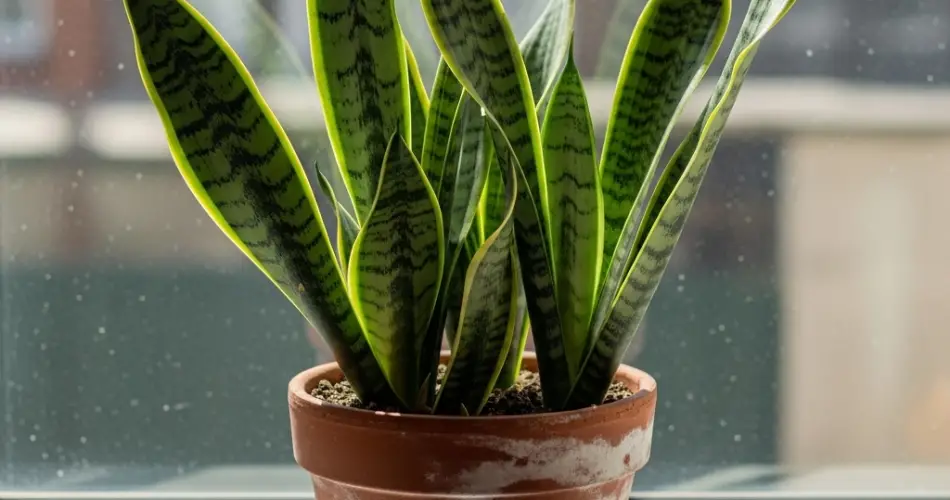
The snake plant (Sansevieria, also known as Dracaena trifasciata) has earned its reputation as one of the most beginner-friendly houseplants. With its striking upright leaves and low-maintenance care needs, it thrives in a variety of conditions, from bright light to low light corners of your home. While it is forgiving and tolerant of neglect, one area where many plant owners go wrong is watering.
Snake plants are succulents, meaning they store water in their thick, fleshy leaves. This adaptation allows them to survive in dry conditions, making overwatering their greatest threat. The key to healthy growth lies in understanding when and how to water without overdoing it. By mastering the “keep it dry” approach, you’ll enjoy a thriving, vibrant plant for years to come.
Why Less Water Is Better
Unlike tropical plants that need consistently moist soil, snake plants prefer to dry out completely between waterings. Their roots are highly sensitive to excess moisture, which can quickly lead to root rot. Once rot sets in, it’s difficult to save the plant, so prevention is essential.
When in doubt, it’s always better to underwater a snake plant than to overwater it. These plants can go weeks—even months—without a drink, but they will not tolerate soggy soil.
How to Check If Your Plant Needs Water
The most reliable method is to test the soil. Insert your finger about 2–3 inches deep; if it feels dry, your snake plant is ready for water. If any moisture remains, wait a few more days. A moisture meter can also be a handy tool, giving you a clear reading of soil hydration.
Another trick is to lift the pot. Dry soil makes the pot feel noticeably lighter, while moist soil adds weight. With time, you’ll develop a sense of when your plant is due for a drink just by handling the container.
Recognizing Signs of Thirst
Although snake plants can endure long dry spells, they will eventually show signs that it’s time for water. Look for:
-
Wrinkling or curling leaves – an early signal that moisture levels are too low.
-
Soft or bending leaves – dehydration reduces the rigidity of the leaf tissue.
-
Leaves folding inward – the plant conserves water by adjusting its shape.
When these symptoms appear, water the plant thoroughly to restore its vitality.
Seasonal Adjustments
Snake plants grow more actively in spring and summer, which means they may require watering every 2–3 weeks. In contrast, during fall and winter, their growth slows significantly, and they may only need watering once every 4–6 weeks. Adjust your care routine based on seasonal changes, always checking soil dryness first before adding water.
How to Water Correctly
When it’s time to water, do it deeply. Pour water evenly across the soil surface until it drains out of the bottom of the pot. This ensures the roots receive adequate hydration. Avoid watering lightly, as this can leave deeper roots dry while keeping the surface damp, encouraging fungus growth.
Equally important is drainage. Always use pots with holes at the bottom so excess water can escape. Never let your plant sit in standing water, as this creates the perfect conditions for root rot.
Watch Out for Overwatering
While learning to keep your plant dry, it’s crucial to know the signs of overwatering. If your snake plant develops mushy, drooping leaves, yellowing at the base, or a musty smell in the soil, it’s likely suffering from excess water.
In such cases, stop watering immediately and allow the soil to dry completely. If the problem persists, you may need to repot the plant in fresh, dry soil to prevent further damage.
Water Quality Considerations
Although snake plants are adaptable, the type of water you use can influence their health. Tap water often contains chlorine, fluoride, or salts that may build up in the soil over time. To avoid issues, let tap water sit out overnight before use, or switch to filtered or rainwater. This simple step helps prevent leaf damage and supports long-term growth.
Creating the Ideal Environment
Good watering practices go hand in hand with the right growing conditions. Use a well-draining soil mix—preferably one designed for succulents or cacti—and make sure the pot allows excess water to escape. Place your snake plant in a location with moderate to bright indirect light, though it will tolerate low-light spots. Proper light exposure helps regulate how quickly the soil dries, preventing overwatering.
Final Thoughts
Watering a snake plant doesn’t have to be complicated, but it does require restraint. Remember the golden rule: keep it dry. By letting the soil fully dry between waterings, adjusting for seasonal changes, and watering deeply but infrequently, you’ll ensure your snake plant remains strong and resilient.
With these smart watering techniques, your snake plant will not only survive but thrive, becoming a long-lasting, elegant feature in your indoor garden.


