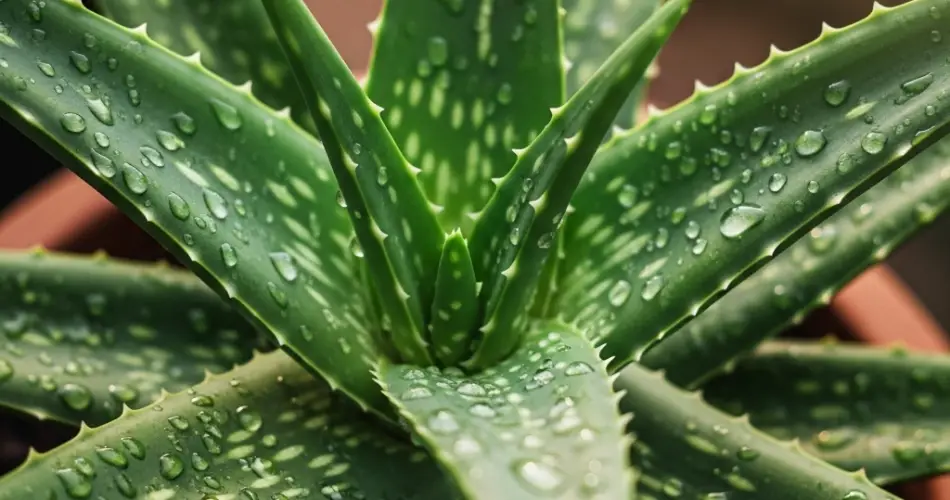
Aloe vera is one of the most popular succulents grown both indoors and outdoors. Known for its healing gel and attractive rosette of fleshy green leaves, this plant is not only practical but also remarkably low-maintenance. Its success, however, depends greatly on proper watering. Because aloe vera stores water in its leaves, it can tolerate neglect, but incorrect watering remains one of the most common reasons it struggles.
The key to success lies in understanding how climate affects aloe vera’s needs. A watering schedule that works in a hot, dry environment will not be the same for a cooler, more humid climate. By tailoring your routine to local conditions, you can help your aloe vera thrive in any setting.
General Aloe Vera Watering Principles
Aloe vera prefers a “soak and dry” method. This means watering deeply, allowing water to saturate the soil, and then waiting until it dries out completely before watering again. Unlike tropical plants that enjoy constantly moist soil, aloe vera thrives with longer dry spells between drinks.
Always use a container with drainage holes and a well-draining soil mix, ideally one formulated for succulents or cacti. Standing water is the fastest way to cause root rot, which is difficult to treat once it sets in.
Watering Aloe Vera in Hot Climates
If you live in a hot, dry, or desert-like region, your aloe vera will need more frequent watering. The intense heat causes soil to dry out faster, and the plant uses more stored water to cope with high temperatures.
-
Summer watering: Expect to water about once every 7–10 days. In extremely arid conditions, you may need to water weekly. Always check soil dryness before adding more water.
-
Outdoor plants: Aloes grown outdoors in full sun may need extra monitoring, as direct sunlight accelerates evaporation. Keep an eye on leaf firmness—if they start to look thinner or wrinkled, it’s time for a drink.
-
Evening watering: In hot regions, watering in the early morning or evening helps reduce water loss through evaporation and allows the roots to absorb moisture more effectively.
Watering Aloe Vera in Cool Climates
In cooler or more humid regions, aloe vera requires far less water. Because the soil stays moist longer, watering too often can easily cause problems.
-
Winter dormancy: During fall and winter, aloe vera’s growth slows, and it uses less water. In these conditions, water only once every 3–4 weeks or when the soil is completely dry.
-
Indoor plants: If your aloe is indoors during cooler months, heating systems can dry out the air, but the soil still tends to hold moisture longer than in hot climates. Always test soil dryness before watering.
-
Avoid cold, wet roots: Never water an aloe when nighttime temperatures are near freezing. Cold, wet roots can quickly lead to rot. If growing outdoors, consider bringing the plant inside during cold snaps.
Signs You’re Overwatering or Underwatering
Overwatering
Overwatering is the most common mistake. Look for these warning signs:
-
Mushy, soft, or transparent leaves.
-
Yellowing at the base of the plant.
-
Soil that smells sour or musty.
If you notice these symptoms, stop watering immediately and let the soil dry completely. In severe cases, repot the plant into fresh, dry soil.
Underwatering
Aloe vera is highly drought-tolerant, but prolonged dryness will eventually show:
-
Leaves that curl inward or become thin.
-
Brown, crispy leaf tips.
-
Shrinking or wrinkled leaves.
These signs indicate your plant is using up its stored reserves and needs a thorough soak.
Seasonal Adjustments
Understanding seasonal changes is crucial. In warm seasons with active growth, aloe vera can handle more water, while in cooler, slower-growth periods, it should remain mostly dry. Here’s a quick seasonal guideline:
-
Spring/Summer: Water every 7–14 days in hot regions; every 2–3 weeks in cooler climates.
-
Fall/Winter: Water every 3–4 weeks, or even less, depending on soil dryness and indoor conditions.
Always remember that frequency depends on your specific environment. Soil type, pot size, and sun exposure also affect how quickly the soil dries.
Watering Best Practices
-
Check soil first: Never water on a set calendar schedule. Instead, test soil moisture 2–3 inches deep.
-
Use the right pot: Terra cotta pots are ideal, as they help soil dry out faster compared to plastic containers.
-
Avoid overhead watering: Direct water onto the soil, not the leaves, to prevent rot in the center of the rosette.
-
Adjust for humidity: In humid areas, water less often, since moisture lingers in the air and soil longer.
Final Thoughts
Aloe vera’s adaptability makes it one of the easiest houseplants to care for, but watering correctly is the foundation of success. The golden rule is to water deeply, then let the soil dry completely before watering again. In hot climates, you’ll water more often; in cool climates, far less. By paying attention to your plant’s environment and seasonal changes, you can create the perfect watering schedule to keep your aloe vera strong, vibrant, and ready to provide its healing benefits.


