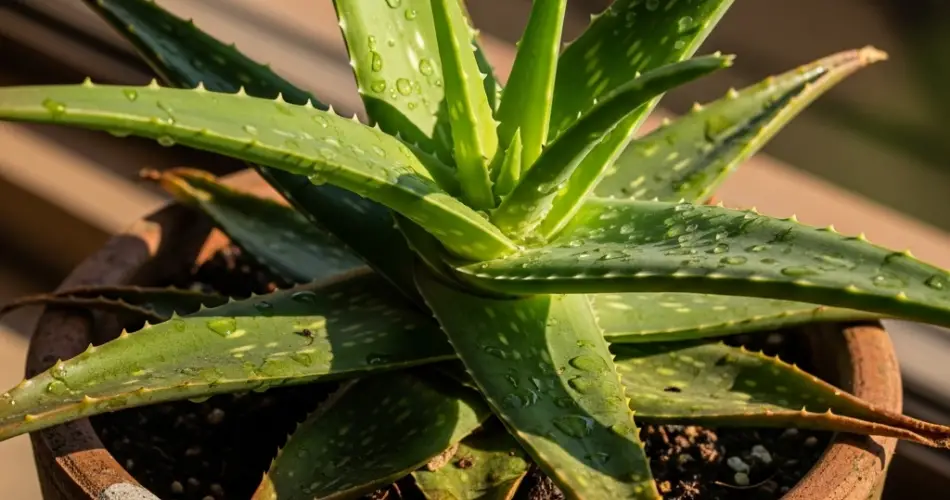
Aloe vera is a popular succulent known for its medicinal properties, easy care, and striking fleshy leaves. One of the key indicators of a healthy aloe vera plant is its thick, juicy leaves, which store water and nutrients. Proper hydration is essential for maintaining these plump leaves, supporting growth, and maximizing the plant’s natural benefits. While aloe vera is drought-tolerant, understanding its water requirements, soil preferences, and environmental needs ensures it remains vibrant and robust. This guide provides step-by-step instructions for hydrating aloe vera effectively.
Understanding Aloe Vera Water Needs
Aloe vera is a succulent adapted to arid climates, meaning it can store water in its leaves and survive periods of drought. Unlike many houseplants, it does not require frequent watering. Overwatering is a common mistake and can lead to root rot, yellowing leaves, and a weakened plant. Conversely, underwatering causes the leaves to thin, curl, or wrinkle, indicating that the plant is using stored moisture to survive. The goal is to provide sufficient water without saturating the soil, keeping the leaves thick, firm, and healthy.
Choosing the Right Container and Soil
Proper drainage is crucial for aloe vera hydration. Use a container with drainage holes to prevent water from pooling at the bottom. Terracotta or unglazed ceramic pots are excellent choices because they allow soil to dry faster, reducing the risk of overwatering. Avoid non-draining pots, which trap moisture and promote root rot.
Soil selection is equally important. Aloe vera thrives in well-draining, sandy or gritty soil that mimics its natural desert environment. A succulent or cactus potting mix is ideal. You can also create your own mix by combining garden soil with sand, perlite, or small gravel. Good drainage allows water to reach the roots without lingering, ensuring the plant absorbs moisture gradually while avoiding waterlogged conditions.
Watering Techniques for Healthy Leaves
Watering aloe vera requires a balance between hydration and prevention of excess moisture. Follow these guidelines:
-
Check Soil Moisture: Insert your finger about 1–2 inches into the soil. Water only if it feels completely dry.
-
Water Thoroughly: When watering, pour enough water to moisten the soil evenly until it drains from the bottom of the pot. Avoid shallow watering, which only dampens the surface.
-
Water the Soil, Not the Leaves: Direct water at the base of the plant. Wet leaves can promote fungal growth and may lead to leaf rot.
-
Use Room-Temperature Water: Cold water can shock the roots, especially in indoor settings. Room-temperature water is absorbed more efficiently and reduces stress on the plant.
Seasonal Hydration Adjustments
Aloe vera’s water needs change throughout the year:
-
Spring and Summer: During the active growing season, aloe vera absorbs water more quickly. Water the plant every 2–3 weeks, checking soil moisture before each session.
-
Fall and Winter: Growth slows during cooler months, and water requirements decrease. Water sparingly, roughly once every 4–6 weeks, allowing the soil to dry completely between sessions.
Environmental factors such as indoor temperature, humidity, and sunlight exposure also influence watering frequency. Warmer, sunnier conditions increase water needs, while cooler, low-light conditions require less frequent watering.
Signs of Proper Hydration
Well-hydrated aloe vera leaves are thick, firm, and vibrant green. Leaves should stand upright and feel fleshy to the touch. Wrinkled, curling, or thin leaves indicate dehydration, while soft, yellowing, or mushy leaves suggest overwatering. Monitoring these signs helps adjust your watering routine to maintain optimal leaf thickness and overall plant health.
Additional Tips for Healthy Aloe Vera
-
Sunlight: Provide bright, indirect sunlight to support water absorption and prevent leaf stretching.
-
Temperature: Maintain indoor temperatures between 55–80°F (13–27°C). Extreme cold can damage roots and leaves.
-
Fertilizing: Feed aloe vera sparingly with a diluted succulent fertilizer during the growing season to promote growth and leaf turgor.
-
Repotting: Repot every 2–3 years to refresh the soil and prevent root crowding, which can affect water absorption.
Benefits of Proper Hydration
Properly hydrated aloe vera not only looks vibrant but also produces leaves rich in gel, ideal for topical use, smoothies, or natural remedies. Healthy leaves also support new growth, ensuring the plant remains robust and resilient against pests or diseases. With a consistent yet cautious watering routine, aloe vera can thrive indoors or outdoors, maintaining its iconic thick, juicy foliage.
By understanding the water requirements, using well-draining soil, and adjusting care seasonally, gardeners can keep aloe vera leaves plump and healthy. Proper hydration is the foundation for a thriving plant that delivers both aesthetic appeal and practical benefits.


