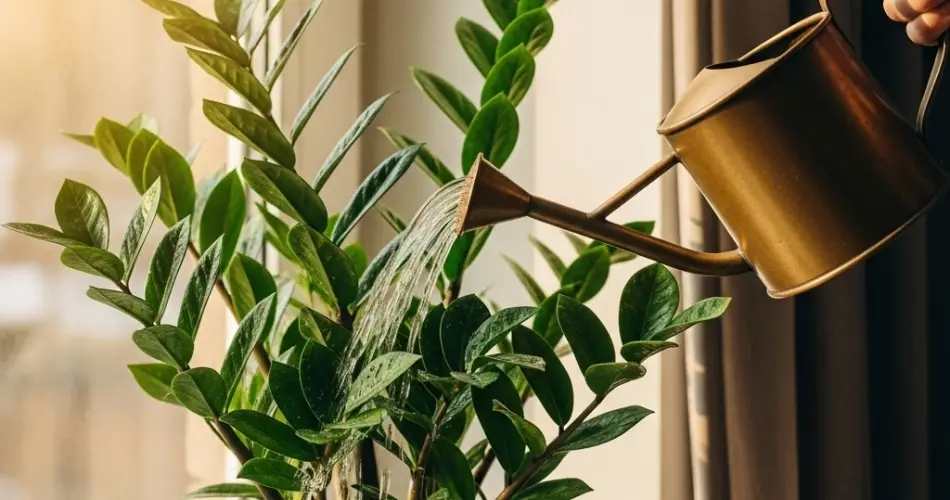
The ZZ plant (Zamioculcas zamiifolia) has gained widespread popularity for its glossy green leaves, architectural form, and incredible resilience. As one of the most low-maintenance houseplants available, the ZZ plant thrives on neglect—especially when it comes to watering. Its water storage capacity and drought tolerance make it ideal for busy plant owners or those new to indoor gardening.
But just because it can tolerate drought doesn’t mean you should ignore its needs entirely. Understanding when and how to water the ZZ plant properly is key to keeping it healthy without overdoing it.
Meet the ZZ Plant: A Master of Survival
Native to the dry grasslands and forests of Eastern Africa, the ZZ plant is naturally adapted to thrive in harsh, drought-prone conditions. It grows from thick, potato-like rhizomes that store water, allowing the plant to survive extended dry periods. These underground storage units are what make the ZZ plant so tolerant of infrequent watering.
Thanks to this adaptation, overwatering—not underwatering—is the most common way to harm this plant.
How Often Should You Water a ZZ Plant?
When it comes to the ZZ plant, less is more. It prefers to dry out completely between waterings. A general rule is to water every 2–3 weeks during the growing season (spring and summer), and every 3–4 weeks or even longer during the fall and winter when growth slows.
However, environmental factors will affect this timing:
-
Light levels: A ZZ plant in bright, indirect light will need water slightly more often than one in low light.
-
Humidity and temperature: In dry or warm environments, soil dries out faster, requiring occasional adjustments.
-
Pot and soil type: Well-draining soil and porous containers like terracotta help moisture evaporate faster than plastic or glazed pots.
How to Tell When It’s Time to Water
Use these signs to know when your ZZ plant is ready for a drink:
-
Dry soil: Stick your finger 2 inches (5 cm) into the soil. If it feels completely dry, it’s time to water.
-
Light pot: A dry pot feels noticeably lighter when lifted.
-
Slight wrinkling in leaves or stems: This subtle sign means the plant is tapping into its stored moisture and could benefit from watering.
Don’t wait until the entire plant looks stressed. Occasional wrinkling is a nudge—it still has time before real damage occurs.
How to Water a ZZ Plant Correctly
-
Water Deeply, Not Frequently
When watering, do so thoroughly. Water the soil evenly until it drains out of the bottom of the pot. This ensures that the roots and rhizomes receive adequate hydration. -
Let Excess Water Drain Completely
Never let your ZZ plant sit in water. After watering, empty the saucer beneath the pot to prevent root and rhizome rot. -
Use Room Temperature Water
Water that’s too cold can shock the roots. Let tap water sit for a few hours before using, especially if your tap water contains chlorine or other chemicals. -
Skip Misting
The ZZ plant does not require misting. It naturally tolerates dry air and doesn’t absorb moisture through its leaves like some tropical plants.
Signs of Overwatering
Overwatering is the ZZ plant’s biggest threat. The rhizomes are prone to rot in soggy conditions. Watch for the following signs:
-
Yellowing leaves
-
Mushy stems or petioles
-
A soft or mushy base
-
Foul smell from the soil
-
Drooping even though the soil is wet
If you suspect overwatering, remove the plant from the pot, check the roots and rhizomes, and cut away any soft or rotting parts. Let the plant air-dry for a day before repotting in fresh, dry, well-draining soil.
Choosing the Right Pot and Soil
A well-draining potting mix is essential for ZZ plant health. Use a cactus or succulent mix, or amend regular houseplant soil with sand, perlite, or pumice to improve aeration.
Always use a pot with drainage holes. Terracotta pots are ideal because they allow excess moisture to escape through their porous material, further protecting the plant from overwatering.
Avoid self-watering pots or containers without drainage, which increase the risk of excess moisture accumulating around the roots.
Seasonal Adjustments
Your watering routine should change with the seasons. During winter, the ZZ plant enters a rest phase and requires even less water. Always check the soil before watering and reduce frequency significantly in colder months.
Final Thoughts
The ZZ plant is a minimalist’s dream when it comes to care. Watering it properly is less about a fixed schedule and more about observation. With its remarkable ability to store water, this plant thrives when allowed to dry out between deep waterings. Keep the soil dry, the pot well-drained, and your watering hand light—and your ZZ plant will remain healthy, vibrant, and nearly indestructible.


