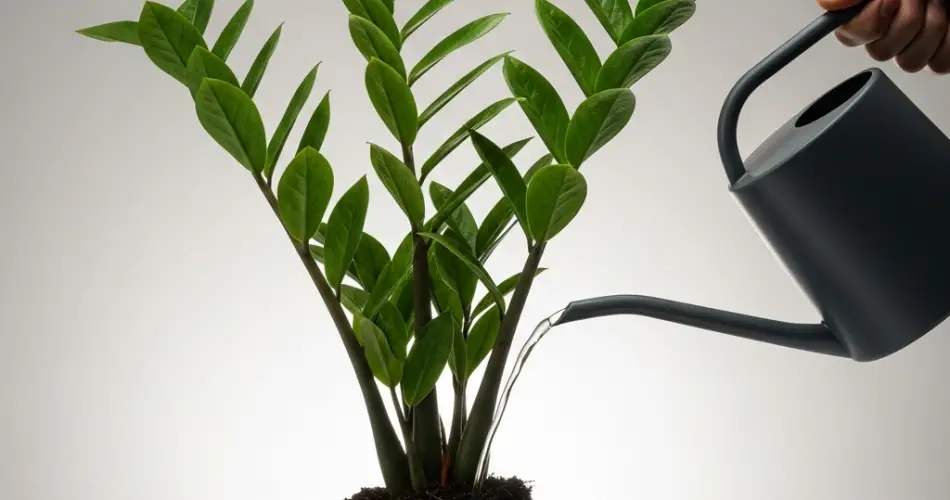
The ZZ plant (Zamioculcas zamiifolia) has gained immense popularity as a low-maintenance indoor plant with glossy green leaves and a strong resistance to neglect. Native to East Africa, this plant thrives in low light and is extremely drought-tolerant. But despite its tough nature, many ZZ plants suffer from the same issue: improper watering.
Watering mistakes — particularly overwatering — are the most common reason ZZ plants begin to decline. Learning the correct watering techniques will help you keep your ZZ plant thriving for years, with healthy roots and lush foliage.
Understanding the ZZ Plant’s Watering Needs
ZZ plants grow from rhizomes — thick underground stems that store water. This allows them to survive long periods of drought, making them ideal for people who sometimes forget to water. However, this same adaptation also makes them highly sensitive to excess moisture.
The key to watering a ZZ plant successfully is to keep the soil lightly moist, but never wet. These plants prefer to dry out almost completely between waterings. When in doubt, it’s always safer to wait a few more days than to water too soon.
How Often Should You Water a ZZ Plant?
Watering frequency depends on various factors, including the time of year, the size of the pot, the type of soil, and environmental conditions like light and humidity.
As a general guideline:
-
In spring and summer, water approximately every 2 to 3 weeks.
-
In fall and winter, reduce watering to once every 3 to 4 weeks, or even less if the plant is in a cooler or darker spot.
Rather than sticking to a calendar, base your watering on soil moisture. Use your finger or a moisture meter to check the top 2–3 inches of soil. If it’s completely dry at that depth, it’s time to water.
The Right Way to Water a ZZ Plant
Watering technique matters just as much as timing. Here’s how to do it correctly:
-
Water deeply but infrequently: When you water, soak the soil thoroughly until water drains from the bottom of the pot. This ensures all the roots and rhizomes receive moisture.
-
Empty the saucer: Never leave water standing in the saucer or cache pot, as this can lead to root rot.
-
Use room-temperature water: Extreme temperatures can shock the roots.
-
Avoid misting: ZZ plants don’t need high humidity and don’t benefit from leaf misting. Moisture on leaves can sometimes lead to fungal problems if airflow is poor.
Allow the soil to dry out completely before the next watering. ZZ plants tolerate drought far better than they tolerate sitting in wet soil.
Choosing the Right Pot and Soil
Proper drainage is critical for preventing overwatering issues. Always use a pot with at least one drainage hole. Clay or terracotta pots are excellent choices because they allow the soil to dry out faster than plastic pots.
When it comes to soil, use a well-draining mix. A cactus or succulent blend works well, or you can create your own using equal parts potting soil, perlite, and coarse sand. Avoid dense or moisture-retentive soils, which increase the risk of root rot.
Warning Signs of Overwatering and Underwatering
Understanding what your ZZ plant is telling you through its leaves and growth is key to avoiding damage.
Signs of overwatering:
-
Yellowing leaves, especially on the lower part of the plant
-
Mushy, blackened stems near the base
-
Mold or a sour smell in the soil
-
Leaves dropping despite moist soil
Signs of underwatering:
-
Wrinkled or drooping stems
-
Dry, curling leaves
-
Slowed or stunted growth
-
Soil pulling away from the sides of the pot
If you’ve overwatered, stop watering immediately and let the soil dry out completely. In more severe cases, remove the plant from the pot, trim off any soft or rotted rhizomes, and repot it into fresh, dry soil. For underwatering, a deep soak should help revive the plant, followed by a more regular (but still cautious) watering routine.
Seasonal Adjustments
In warmer months, when the plant is actively growing, it will use more water. You might need to water a bit more often, especially if the plant receives brighter light. In the cooler seasons, growth slows, and the soil retains moisture longer — so reduce watering accordingly.
Always consider the environment. Bright light and warmer temperatures mean faster drying soil, while low light and cool indoor air can keep the soil wet longer than expected.
Final Tips for a Healthy ZZ Plant
-
Avoid watering on a strict schedule — check the soil each time.
-
Use a fast-draining soil mix and a pot with drainage holes.
-
Water only when the soil is completely dry to the touch.
-
Don’t panic if the plant occasionally goes dry — ZZs are forgiving.
-
Keep an eye out for yellow leaves, which usually indicate overwatering.
By following these watering principles, you’ll protect your ZZ plant’s roots and enjoy years of healthy, vibrant growth with minimal effort.


