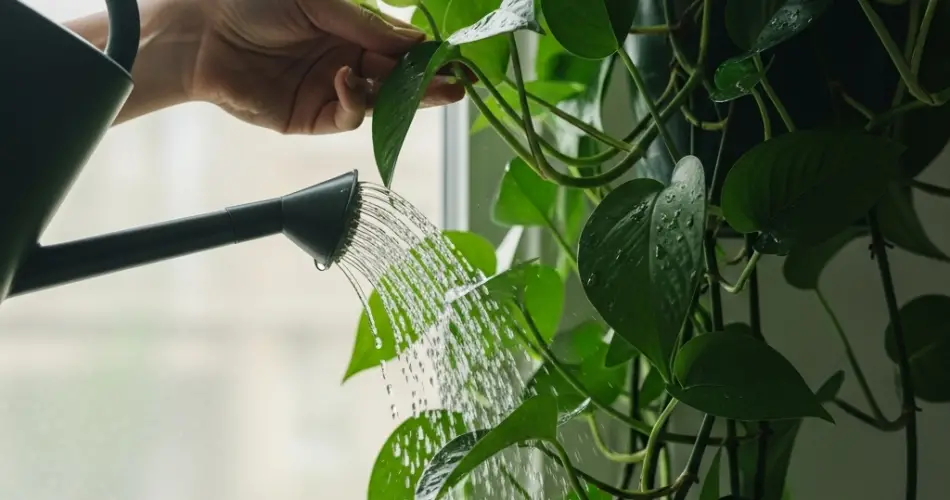
Pothos (Epipremnum aureum), also known as devil’s ivy, is one of the most beloved houseplants due to its trailing vines, vibrant foliage, and ease of care. While pothos is adaptable and forgiving, watering plays a key role in achieving fast and healthy growth. Improper watering—especially overwatering—is one of the few ways this hardy plant can suffer. With the right watering practices, your pothos can grow vigorously and maintain lush, vibrant leaves.
Understanding the Pothos’ Natural Preferences
Pothos is native to the tropical regions of Southeast Asia and the Solomon Islands, where it grows under the forest canopy. It thrives in warm, humid conditions and moist, well-draining soil. However, unlike many tropical plants, pothos can handle dry spells and low humidity reasonably well—making it ideal for indoor environments.
The key is to mimic its natural rhythm: occasional rain followed by a period of drying out. Understanding this cycle will help you water your pothos the right way.
How Often Should You Water a Pothos?
There is no strict watering schedule that fits every pothos plant. How often you should water depends on several factors:
-
Light Levels: Pothos in bright, indirect light may need water every 5–7 days. In low-light areas, the soil retains moisture longer, so watering every 10–14 days may be sufficient.
-
Temperature and Humidity: Warm, dry air causes soil to dry faster. Cooler or more humid conditions mean you should water less frequently.
-
Pot Type and Soil: Terracotta pots and well-draining soil will dry out faster than plastic containers or dense potting mixes.
The Finger Test: Your Best Watering Tool
Rather than relying on a calendar, always check the soil before watering. Stick your finger about an inch (2.5 cm) deep into the soil. If it feels dry, it’s time to water. If it still feels damp, wait a few more days and check again.
This simple habit ensures that you water based on your plant’s actual needs rather than on a rigid schedule.
The Right Way to Water Pothos
-
Water Deeply and Thoroughly
When watering, pour water slowly into the soil until it begins to drain from the bottom of the pot. This ensures that the entire root system receives moisture, not just the top layer of soil. -
Use Room Temperature Water
Avoid cold water straight from the tap. Let it sit until it reaches room temperature to prevent shocking the roots. -
Drain Excess Water Immediately
Never let your pothos sit in standing water. Always empty the saucer or tray beneath the pot to avoid soggy roots, which can lead to root rot. -
Avoid Light or Frequent Watering
Watering lightly and often keeps only the surface moist while the roots remain dry. This encourages shallow root growth and may weaken the plant over time.
Signs of Overwatering
Overwatering is one of the most common mistakes made with pothos. Symptoms include:
-
Yellowing leaves, especially on the lower part of the plant
-
Wilting despite the soil being wet
-
Mushy or dark brown roots
-
A sour smell from the potting mix
If you notice these signs, stop watering and allow the soil to dry completely. In severe cases, remove the plant from its pot, inspect the roots, trim any rotting portions, and repot in fresh, dry, well-draining soil.
Signs of Underwatering
While pothos can handle occasional drought, extended dryness can slow growth or damage the plant. Signs of underwatering include:
-
Drooping or curling leaves
-
Dry, crispy edges or tips on the leaves
-
Very light pot weight
-
Soil pulling away from the sides of the container
If you notice these symptoms, give the plant a thorough watering and adjust your routine slightly to ensure it doesn’t go too long without moisture.
Choosing the Right Soil and Pot
Fast and healthy pothos growth depends not only on watering habits but also on having the right potting setup:
-
Soil: Use a well-draining potting mix. You can enhance standard soil with perlite or coconut coir for better aeration and drainage.
-
Pot: Choose a container with proper drainage holes. Terracotta pots help wick moisture away from the soil, which is beneficial if you’re prone to overwatering.
Seasonal Watering Adjustments
Pothos grows more actively in spring and summer, meaning it may need more frequent watering. In fall and winter, growth slows and soil dries out more slowly, so reduce watering accordingly. Always adjust your routine based on how fast the soil is drying, not just the time of year.
Final Tips for Encouraging Fast Growth
-
Fertilize lightly during the growing season to support new foliage.
-
Rotate the pot every few weeks to ensure even growth and light distribution.
-
Prune regularly to encourage bushier vines and remove any damaged leaves.
Conclusion
Watering pothos correctly doesn’t require guesswork—just observation and consistency. Let the soil dry out between waterings, avoid overwatering, and respond to your plant’s signals. With the right balance of moisture and care, your pothos will reward you with fast-growing vines and healthy, vibrant leaves that brighten any space.


