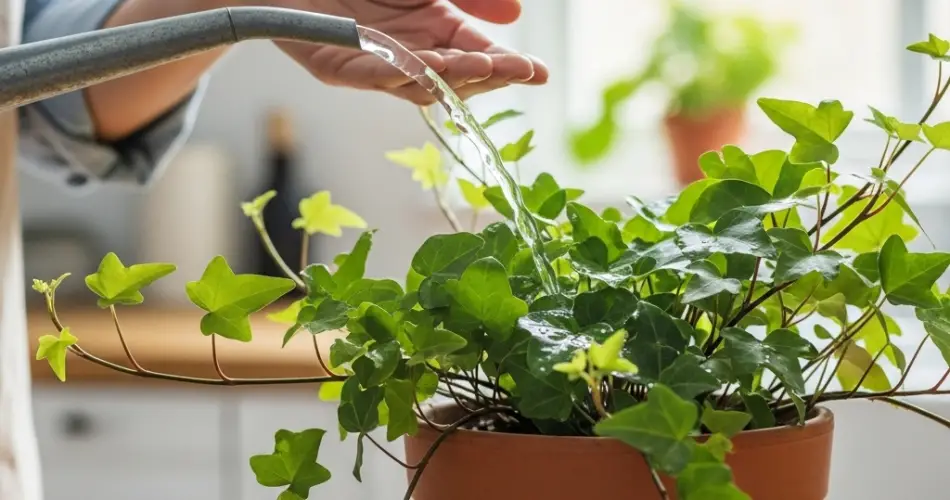
English ivy (Hedera helix) is a classic trailing plant admired for its elegant leaves and ability to climb or cascade gracefully from containers. While this versatile houseplant is relatively easy to grow, maintaining its lush appearance depends largely on proper watering. Giving your ivy too much or too little water can quickly lead to problems like yellowing leaves, stunted growth, or root rot.
Whether you’re growing English ivy in a hanging basket, pot, or letting it climb up a wall, mastering its moisture needs is key to a vibrant and healthy plant. This guide covers everything you need to know about watering techniques to keep your English ivy thriving.
Understanding English Ivy’s Moisture Needs
Native to Europe and Western Asia, English ivy naturally grows in shaded forests and along cool, damp walls. Indoors, it adapts well to moderate light and cooler temperatures, but it still prefers its soil to be kept slightly moist—not soggy and not bone dry.
The most common mistake with English ivy is overwatering. Despite its woodland origins, English ivy doesn’t like to sit in wet soil. The roots need oxygen, and excessive water can suffocate them, leading to rot. At the same time, letting the plant dry out completely for long periods can cause the leaves to turn crisp or drop off.
How Often Should You Water English Ivy?
There’s no universal watering schedule because watering depends on your environment—light exposure, temperature, humidity, pot size, and soil type all play a role.
As a general guideline:
-
During spring and summer (active growth period), water every 5–7 days.
-
During fall and winter, when growth slows, reduce watering to every 10–14 days.
The best approach is to monitor the soil regularly. Stick your finger into the top inch of the soil:
-
If it feels dry, it’s time to water.
-
If it still feels moist, wait another few days and test again.
Always adjust your watering frequency based on the specific needs of your plant and conditions.
Best Watering Technique for English Ivy
When it’s time to water, it’s not just about how often—it’s about how you do it. Here’s how to water English ivy the right way:
1. Water Thoroughly
Pour water slowly into the soil until you see it draining from the bottom of the pot. This ensures that all roots are evenly hydrated.
2. Let It Drain
Never let your plant sit in standing water. After watering, empty the saucer or tray beneath the pot. English ivy’s roots are particularly sensitive to excess moisture.
3. Avoid Wetting the Leaves
Try to water directly into the soil and avoid splashing water on the leaves, especially in cooler environments, as this can increase the risk of fungal diseases like leaf spot or powdery mildew.
4. Use Room-Temperature Water
Cold water can shock the roots, while overly warm water may stress the plant. Use water that’s around room temperature for the best results.
Soil and Pot Considerations
English ivy prefers a loose, well-draining potting mix. A standard indoor plant mix with added perlite or sand works well to ensure proper drainage and air circulation. Avoid heavy or compacted soils that retain too much water.
Always use a pot with one or more drainage holes. If you prefer decorative planters without holes, keep your ivy in a plastic nursery pot and set it inside the outer container, removing it before watering.
Signs of Overwatering and Underwatering
English ivy gives visible signs when something’s wrong with its watering routine. Recognizing them early can help you make quick corrections.
Signs of Overwatering:
-
Yellowing or limp leaves
-
Mushy stems or root rot
-
Soil that stays damp for days
-
Fungal spots or mildew
Signs of Underwatering:
-
Dry, brittle, or curling leaves
-
Brown or crispy leaf edges
-
Drooping stems
-
Soil pulling away from the edges of the pot
If overwatering is the issue, allow the soil to dry out completely before watering again. In severe cases, remove the plant from the pot, trim any rotten roots, and repot with fresh soil. For underwatered ivy, a thorough soak should help restore moisture and perk up the leaves.
Seasonal Moisture Adjustments
In warmer months, English ivy may need more frequent watering due to increased light and heat, especially if placed near a sunny window or in a dry room. In contrast, winter conditions often slow down plant growth and evaporation, meaning the soil stays wet longer.
Reduce watering in winter and ensure the plant isn’t near cold drafts or heating vents, which can cause inconsistent moisture levels and stress.
Final Tips for Lush, Green Ivy
-
Maintain moderate humidity: English ivy appreciates slightly humid conditions. If your home is very dry, consider using a humidity tray or grouping it with other plants.
-
Trim regularly: Pruning promotes fuller growth and prevents legginess, especially when combined with proper watering.
-
Keep it in bright, indirect light: Proper lighting supports healthy moisture use and prevents overwatering issues caused by slow evaporation.
By following these watering techniques and moisture care tips, your English ivy will reward you with vigorous growth and rich green foliage—perfect for creating a lush indoor jungle or adding elegant greenery to your home.


