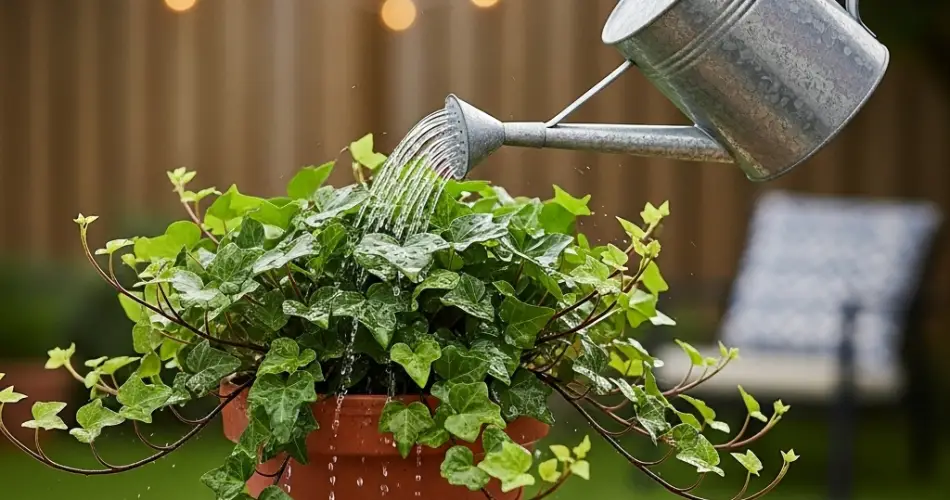
English ivy (Hedera helix) is a classic, fast-growing plant loved for its trailing vines and lush green foliage. Whether grown indoors in hanging baskets or trained to climb walls and trellises outdoors, this plant is a favorite for adding instant greenery to any space. While it’s considered hardy and easy to care for, proper watering is crucial to achieving full, healthy growth. Both underwatering and overwatering can lead to stunted development, leaf loss, and root issues.
To help your English ivy grow fast and stay vibrant, it’s important to understand its watering needs and establish a consistent, balanced routine.
Understanding English Ivy’s Watering Needs
English ivy naturally grows in the forest understory, where soil is consistently moist but not soggy. This means the plant prefers moderate watering with well-draining soil. It doesn’t like sitting in water, but it also doesn’t tolerate being dry for too long—especially during periods of active growth.
The key is to maintain lightly moist soil at all times, adjusting as needed depending on light exposure, pot type, and environmental conditions.
How Often Should You Water English Ivy?
There’s no one-size-fits-all watering schedule. Frequency will depend on the plant’s growing environment:
-
Indoor Ivy: Water every 5–7 days in spring and summer, and every 10–14 days in fall and winter.
-
Outdoor Ivy (in containers): Water more frequently in warm, dry weather—sometimes every 2–3 days during summer.
-
Ivy in the ground: Requires less frequent watering once established, especially in shaded locations.
Always let the top inch (2.5 cm) of soil dry out before watering again. The soil should feel slightly damp beneath the surface—not dry and crumbly or wet and soggy.
How to Water English Ivy the Right Way
-
Check Soil Moisture First
Stick your finger into the soil about an inch deep. If it feels dry, it’s time to water. If it’s still slightly moist, wait a day or two and check again. -
Water Evenly and Deeply
Pour water slowly around the base of the plant until it starts to drain from the bottom of the pot. This ensures that the roots receive an even soak. -
Empty the Drainage Tray
Never let your ivy sit in standing water. After watering, be sure to empty the saucer or outer pot to prevent root rot. -
Use Room Temperature Water
Cold water can shock the plant’s roots, while warm water may encourage disease. Always use water that’s at room temperature. -
Avoid Watering the Leaves
Especially indoors, try to keep the foliage dry when watering to prevent fungal issues and mildew.
Signs of Overwatering
Too much water can suffocate the roots and lead to a number of problems. Watch for these signs:
-
Yellowing or dropping leaves
-
Soft or mushy stems
-
Foul smell from the soil
-
Constantly wet soil surface
-
Slowed or stunted growth
If overwatering is suspected, let the soil dry out before the next watering. In severe cases, repot the plant into fresh, well-draining soil and trim any affected roots.
Signs of Underwatering
English ivy is somewhat drought-tolerant, but prolonged dryness can weaken the plant. Signs of underwatering include:
-
Wilting or dry, crispy leaves
-
Brown leaf tips
-
Slowed growth
-
Soil pulling away from the edges of the pot
If you notice these signs, water thoroughly and adjust your schedule to prevent future stress.
Choosing the Right Pot and Soil
The type of pot and soil you use directly affects how often and how effectively you’ll need to water:
-
Pot: Always choose a container with drainage holes. Terracotta pots are a good option because they allow excess moisture to evaporate faster than plastic ones.
-
Soil: Use a light, well-draining potting mix. A blend that includes peat, perlite, or sand is ideal for retaining moisture while still allowing air flow to the roots.
Avoid compacted or heavy garden soil, which retains too much water and can smother the plant’s root system.
Seasonal Watering Adjustments
During spring and summer, English ivy grows quickly and needs more water. In fall and winter, growth slows, and watering should be reduced. Always monitor soil moisture rather than following a fixed schedule. Plants in brighter rooms will dry out faster, while those in cooler, darker areas need water less often.
If your home has dry air during winter, consider boosting humidity slightly. While ivy doesn’t need a high-humidity environment, extremely dry indoor air can lead to browning leaf tips.
Final Thoughts
Watering English ivy properly is the foundation for fast, healthy, and full growth. By maintaining consistent moisture without overdoing it, you’ll encourage strong roots, lush foliage, and vigorous vine development. Use the “soak and dry” approach—water deeply, let the top layer dry out, then repeat. Combine this with the right soil, pot, and growing conditions, and your English ivy will flourish indoors or out.


