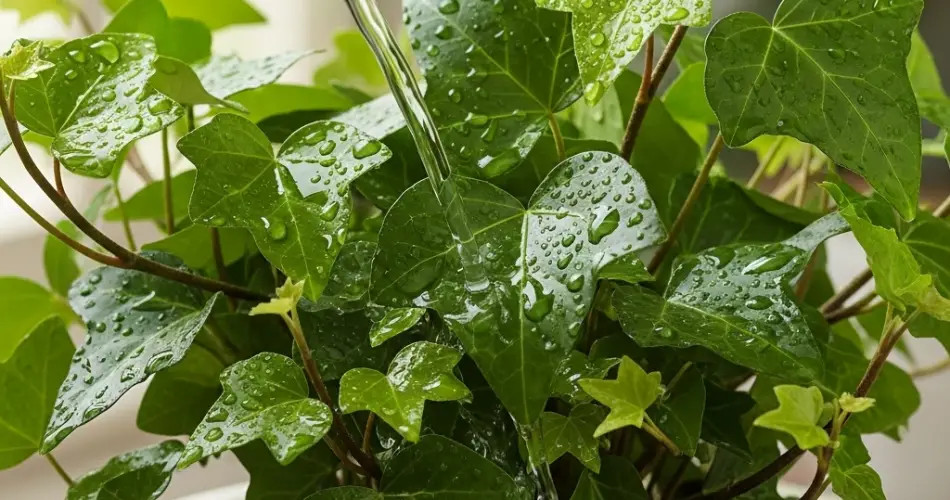
English ivy (Hedera helix) is a classic and elegant houseplant, known for its trailing vines and attractive, glossy leaves. Whether it’s hanging from a basket, climbing a trellis, or used as a ground cover, English ivy adds lush greenery to any space. To keep it thriving indoors, you’ll need to strike the right balance with watering, lighting, and pruning. Here’s how to ensure your English ivy stays healthy, vibrant, and beautiful all year long.
Watering English Ivy the Right Way
Watering is one of the most important aspects of ivy care—and one of the easiest to get wrong. English ivy likes consistent moisture but doesn’t tolerate soggy soil.
How Often to Water:
Let the top inch of soil dry out between waterings. Insert your finger into the soil—if it feels dry, it’s time to water. If it still feels damp, wait another day or two. Overwatering can cause root rot, a common issue with ivy in containers.
How to Water Properly:
Water deeply until it drains out of the bottom of the pot, then discard any excess water collected in the saucer. Avoid letting the plant sit in standing water. If you’re using a decorative pot without drainage, remove the inner nursery pot when watering to prevent water from collecting at the bottom.
Humidity Matters:
English ivy appreciates moderate to high humidity. In drier climates or during winter heating, mist the leaves occasionally or place a humidity tray beneath the pot. This helps prevent leaf edges from browning and keeps the plant looking fresh.
Finding the Best Light for Ivy Indoors
Light is another crucial factor in growing healthy English ivy. While this plant is adaptable, its performance depends heavily on proper lighting.
Bright, Indirect Light is Ideal:
English ivy thrives in bright, indirect sunlight. Place it near an east- or north-facing window, where it can receive plenty of filtered light without getting scorched. Direct sun can cause the leaves to burn, especially variegated varieties.
Low Light Tolerance:
Although it can tolerate lower light levels, ivy will grow more slowly and may become leggy or lose its variegation. If your ivy starts looking sparse or pale, try moving it to a brighter spot or supplement with a grow light for a few hours a day.
Rotate for Even Growth:
To keep your ivy growing evenly, rotate the pot once a week. This ensures all sides receive equal light exposure and prevents one-sided growth.
Trimming and Pruning for a Fuller Plant
Pruning isn’t just about keeping your plant tidy—it’s essential for encouraging fuller growth and preventing legginess.
When to Trim:
You can prune English ivy any time of year, but spring and early summer are the best seasons for more aggressive shaping. Use clean, sharp scissors or pruning shears to cut just above a leaf node (where leaves attach to the stem). This encourages the plant to branch out from that point, resulting in a bushier appearance.
How Much to Cut:
Don’t be afraid to trim back several inches of growth if the plant is getting too long or sparse. Ivy responds well to pruning and often bounces back with more vigorous growth. Regular trimming also helps control its size and prevents it from becoming unruly indoors.
Remove Dead or Yellowing Leaves:
Always remove damaged or discolored leaves to improve the plant’s appearance and prevent potential disease. These leaves won’t recover and may sap energy from the healthy parts of the plant.
Supporting Growth with Proper Potting and Fertilizing
Aside from watering, lighting, and trimming, a few extra care steps can further promote your ivy’s health.
Choose the Right Potting Mix:
Use a well-draining potting mix. A blend formulated for houseplants, containing peat moss and perlite or sand, works well. Avoid heavy soils that retain water and increase the risk of root rot.
Fertilize Sparingly:
Feed your English ivy once a month during the growing season (spring through early fall) with a balanced liquid fertilizer diluted to half strength. Avoid fertilizing in winter, when the plant is not actively growing. Too much fertilizer can lead to salt buildup and leaf burn.
Repot Every Few Years:
Repot your ivy when it outgrows its container or the soil becomes compacted. Refreshing the potting mix every couple of years also helps prevent nutrient depletion and supports healthy root development.
Final Thoughts
English ivy is a rewarding and attractive houseplant, but it requires a bit of attention to stay at its best. By watering it properly, placing it in the right light, and trimming it regularly, you can enjoy lush, trailing vines and healthy foliage throughout the year.
Consistency is key—observe your plant closely and respond to its needs. With just a little regular care, your English ivy will flourish and continue to add beauty to your indoor garden for many seasons to come.


