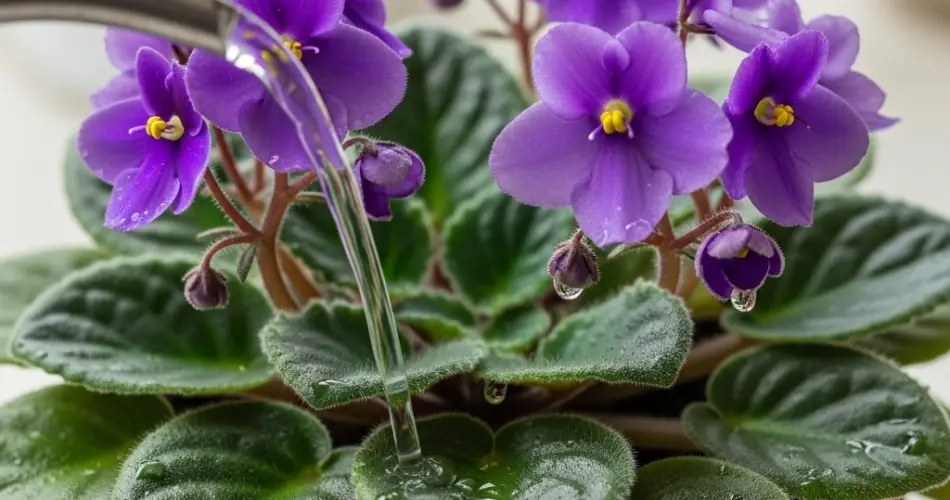
African violets are beloved for their charming flowers and velvety foliage, but keeping them healthy indoors requires understanding their unique watering needs. Unlike many houseplants, African violets are sensitive to both underwatering and overwatering. Learning to read the signs of when they need water—and just as importantly, when they don’t—is key to keeping them vibrant and blooming year-round. Here’s a detailed guide to help you master the art of watering African violets.
1. Wilted or Drooping Leaves
One of the most obvious signs that your African violet needs water is wilting or drooping leaves. When the soil becomes too dry, the plant cannot take up enough moisture, causing the leaves to become limp and lifeless. However, wilted leaves can also result from overwatering, so it’s crucial to feel the soil before adding water.
2. Dry Soil Surface
Check the top inch of the soil with your finger. If it feels dry to the touch, your African violet likely needs water. Unlike some plants that prefer to dry out completely between waterings, African violets like their soil to stay lightly moist but never soggy. A consistent moisture level is ideal.
3. Curling or Brittle Leaves
Leaves that start to curl inward or feel crispy at the edges are a sign of underwatering. As the plant tries to conserve water, it reduces the surface area of its leaves by curling them. If not addressed, this can lead to further stress and hinder flower production.
4. Leaf Color Changes
Underwatered African violets may show pale or dull-colored leaves. If the vibrant green begins to fade or the leaves develop brown, dry spots, the plant is likely thirsty. On the flip side, yellowing leaves, especially at the base, can indicate overwatering or poor drainage.
5. Slowed or Stunted Growth
If your African violet seems to have stopped growing or is producing fewer leaves and flowers, check the moisture level. A plant that is too dry for extended periods will go into survival mode and halt growth. Ensuring the plant receives adequate water will help it resume healthy development.
When to Hold Off on Watering
While it’s easy to worry about under-watering, overwatering is one of the most common mistakes made with African violets. Before watering, always check for these signs that your plant might not need it just yet:
A. Moist or Cool Soil
If the soil still feels moist or cool an inch below the surface, wait a day or two before watering again. Watering too frequently leads to soggy roots, increasing the risk of rot and fungal issues.
B. Soft, Mushy Stems or Leaves
Soft stems or mushy leaves are a red flag. This could mean the roots are drowning and beginning to rot due to too much water. Stop watering immediately and allow the soil to dry out. If the problem persists, you may need to repot the plant in fresh, dry soil.
C. Leaf Spots or Mildew
Water that sits on the leaves can cause spots or mildew, especially if the plant is in a low-light or humid environment. Always water from below or gently at the soil line, avoiding the foliage altogether. Let the plant dry before the next watering cycle to avoid further damage.
Best Watering Practices
To maintain the ideal moisture level, develop a routine that suits your plant’s environment. Here are a few helpful tips:
-
Bottom watering: Place the pot in a shallow tray of water for about 30 minutes, allowing the roots to draw in moisture. Then remove any excess water from the tray.
-
Room-temperature water: Use lukewarm water to avoid shocking the roots or staining the leaves.
-
Consistent schedule: In most homes, watering once a week works well. However, adjust based on the season and room conditions.
-
Proper drainage: Always use pots with drainage holes and avoid letting water collect at the bottom of the pot or saucer.
Monitoring Is Key
Because indoor conditions vary—humidity, temperature, and light all affect how fast soil dries—it’s better to respond to your plant’s cues than to rely solely on a fixed schedule. Frequent, gentle checking prevents stress and keeps your African violet in peak condition.
In Summary
Watering African violets may seem tricky at first, but once you understand the signs, it becomes much easier. Wilting, dry soil, and curling leaves are good indicators that your plant needs water. Meanwhile, yellowing, soggy leaves, or persistent moisture are reasons to hold back. By staying observant and adjusting your care accordingly, you’ll ensure your African violet thrives indoors with beautiful, frequent blooms.


