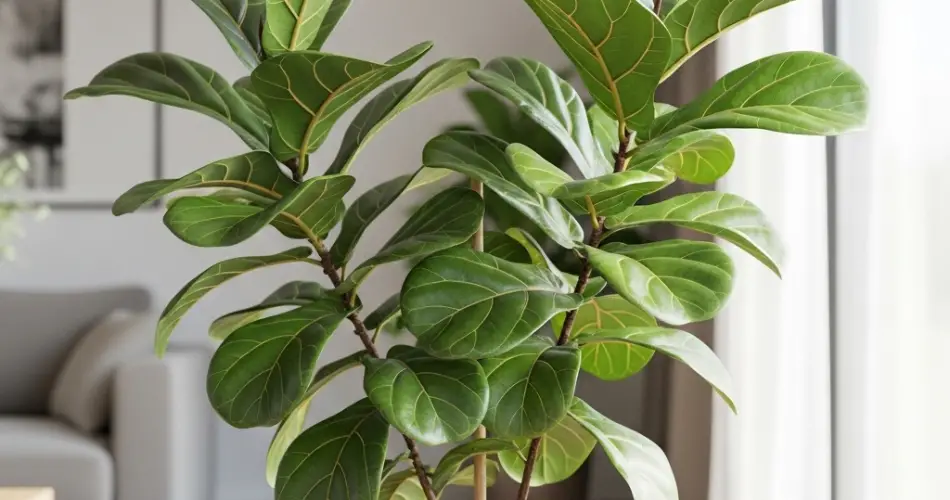
The fiddle leaf fig (Ficus lyrata) is one of the most beloved houseplants thanks to its dramatic foliage and ability to transform any indoor space. However, many plant owners struggle with keeping this tropical beauty happy year-round, especially when the seasons change. One of the most important aspects of care is adjusting your watering routine depending on whether it’s summer or winter.
Because the needs of your fiddle leaf fig vary with light, temperature, and humidity, what works in July may not work in December. By learning how to adapt your watering practices season by season, you can avoid problems such as root rot, leaf drop, or dehydration and keep your plant thriving.
Seasonal Growth Patterns
Fiddle leaf figs, like many houseplants, respond to natural seasonal cycles.
-
Summer (active growth season): With longer daylight hours and warmer temperatures, the plant actively produces new leaves and expands its root system. This increased activity means it uses more water and nutrients.
-
Winter (dormancy period): As daylight shortens and indoor temperatures fluctuate with heating systems, growth slows significantly. The plant’s water requirements decrease, and the risk of overwatering increases if the routine isn’t adjusted.
Understanding these patterns is the foundation of proper seasonal care.
Watering Fiddle Leaf Figs in Summer
During summer, your fiddle leaf fig is at its most active. It needs consistent water to support new growth, but the soil must still drain well to prevent excess moisture around the roots.
Key Tips for Summer Watering:
-
Check Soil Moisture Regularly: The top 2 inches of soil should feel dry before you water again. In summer, this may happen more quickly due to increased evaporation and active root uptake.
-
Frequency: Most fiddle leaf figs need watering every 7–10 days in summer, though plants in very bright, warm rooms may need water every 5–7 days.
-
Thorough Soaking: When you water, do so until excess liquid drains from the bottom of the pot. Empty the saucer afterward to prevent the roots from sitting in water.
-
Humidity Considerations: While summer air can be more humid, air conditioning often dries out indoor spaces. Monitor your environment and use a humidifier if needed to prevent leaf dryness.
By staying attentive to soil moisture, you ensure your plant has enough hydration to fuel growth without tipping into overwatering.
Watering Fiddle Leaf Figs in Winter
Winter brings challenges because indoor environments are usually drier due to heating systems, yet plants require less water because they aren’t actively growing. Many fiddle leaf figs suffer in winter when owners continue watering on a summer schedule.
Key Tips for Winter Watering:
-
Reduce Frequency: Watering every 2–3 weeks is often sufficient in winter. Always test the soil with your finger before watering. If it feels damp even after a week, wait longer.
-
Watch for Overwatering Signs: Yellowing leaves, brown patches, or mushy soil indicate too much water. Adjust immediately if these signs appear.
-
Mind the Temperature: Keep your plant away from cold drafts near windows or doors and away from direct blasts of hot air from heaters. Both extremes can stress the plant and affect water uptake.
-
Humidity Boost: Even though watering needs decrease, low humidity can still harm the plant. Use a pebble tray, humidifier, or group your plants together to raise humidity around the leaves.
The goal in winter is to keep the soil barely moist without allowing the roots to become soggy.
How to Tell When Your Plant Needs Water
Rather than sticking to a rigid schedule, rely on observation. Signs your fiddle leaf fig needs water include:
-
Soil that feels dry two inches below the surface.
-
Leaves beginning to droop slightly.
-
Lighter soil color and shrinking away from the sides of the pot.
Avoid watering simply because “it’s time.” Instead, use these cues to respond to the plant’s real needs.
Common Mistakes to Avoid
-
Watering on the same schedule year-round: This is the fastest way to stress your fiddle leaf fig. Always adapt to the season.
-
Letting the plant sit in standing water: Drainage is crucial in every season.
-
Confusing humidity with soil moisture: Dry air calls for humidity solutions, not more water in the pot.
-
Ignoring light levels: Less light in winter means slower water usage, while bright summer conditions speed it up.
Final Thoughts
Watering a fiddle leaf fig successfully comes down to respecting its seasonal rhythms. In summer, the plant thrives on more frequent watering to support active growth. In winter, it requires a slower, more cautious approach to avoid waterlogging the roots.
By adjusting your watering habits to match the plant’s natural cycle, you’ll prevent common issues and keep your fiddle leaf fig strong, lush, and vibrant throughout the year. With this seasonal approach, your plant can continue to be the stunning focal point of your home, no matter the time of year.


