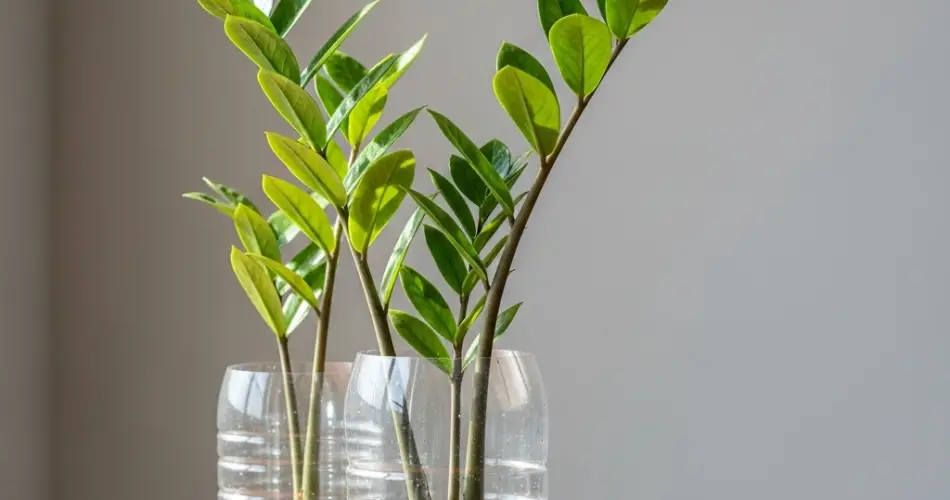
The ZZ plant (Zamioculcas zamiifolia) is a resilient, stylish houseplant that has earned a reputation for being nearly indestructible. Its glossy, deep green leaves and upright growth habit make it a striking addition to any home or office. While traditionally grown in soil, the ZZ plant can also thrive in water, offering plant enthusiasts a unique opportunity to experiment—especially using recycled plastic bottles as planters.
This guide explores two eco-friendly ways to grow ZZ plants in bottles: in water and in soil. Both methods offer practical, low-maintenance solutions for small spaces while promoting sustainability through upcycling.
Why Choose ZZ Plants?
ZZ plants are loved for their tolerance to low light, infrequent watering, and neglect. They can adapt to a range of conditions, making them ideal for busy individuals or beginner gardeners. Their rhizomes—bulb-like structures below the soil—store water, allowing the plant to go weeks without a drink.
This adaptability also makes ZZ plants perfect candidates for propagation and growth in unconventional containers like plastic bottles.
Preparing Plastic Bottles for Planting
Choose a clean plastic bottle, ideally 1.5 to 2 liters in size. Bottles with straight sides are easiest to work with. Whether you’re growing in soil or water, you’ll need to modify the bottle accordingly.
For soil planting:
-
Cut off the top third of the bottle.
-
Poke 3–5 drainage holes in the bottom.
-
Optionally, wrap or paint the outside to block light and make the planter more decorative.
For water rooting:
-
Cut the bottle about halfway up.
-
Use the bottom half as a container for water.
-
For a cleaner appearance, you can wrap the outside in jute, cloth, or paper.
Growing ZZ Plants in Soil
This is the traditional and most common method. It’s ideal for long-term growth and allows the plant to establish a strong root system.
Soil mix recommendation:
ZZ plants need well-draining soil. Use a mix of:
-
2 parts potting soil
-
1 part perlite or coarse sand
-
1 part coconut coir or peat moss
This combination prevents excess moisture, which is important since ZZ plants are susceptible to root rot.
Planting steps:
-
Add a small layer of gravel or stones to the bottom of the bottle.
-
Fill halfway with your soil mix.
-
Place the ZZ plant rhizome or cutting into the center.
-
Fill with more soil, leaving space at the top.
-
Water lightly until the soil is just moist.
Place the bottle planter in bright, indirect light. Water only when the top 2 inches of soil are dry.
Growing ZZ Plants in Water
Growing a ZZ plant in water is an attractive option, especially for minimalist or hydroponic-style homes. It’s also a great method for rooting cuttings or displaying plants in a clean, soil-free way.
Steps for water growth:
-
Cut a healthy stem just below a node, about 6–8 inches long.
-
Remove the lower leaves to avoid rot.
-
Place the cutting in a bottle of clean, room-temperature water.
-
Change the water every 5–7 days to prevent algae and bacterial growth.
After a few weeks, roots will begin to form from the node. While ZZ plants can grow in water for months, they typically do best when eventually transitioned to soil once roots are well developed.
Water vs. Soil: Which is Better?
Each method has its advantages:
Water Pros:
-
Visually clean and modern
-
Easy to monitor root development
-
Great for propagation
Water Cons:
-
Slower growth over time
-
Not ideal for long-term maturity
-
Risk of rot if water isn’t changed regularly
Soil Pros:
-
Better for long-term growth
-
Natural root support and nutrient availability
-
Allows larger plants to thrive
Soil Cons:
-
Risk of overwatering
-
Can attract pests if soil isn’t well maintained
For beginners or decorative purposes, starting in water is fun and educational. For full growth, soil is the better long-term solution.
Care Tips for Both Methods
-
Light: ZZ plants prefer bright, indirect light but can tolerate low-light conditions. Avoid direct sun, which can scorch the leaves.
-
Watering (soil): Water only when the soil is mostly dry. Overwatering is the main cause of plant failure.
-
Watering (hydro): Always keep the water clean and fresh. Replace it weekly.
-
Fertilizing: ZZ plants are light feeders. In soil, feed with diluted houseplant fertilizer once a month during the growing season. In water, use a drop of liquid fertilizer monthly if roots are established.
Final Thoughts
Whether you choose to grow your ZZ plant in soil or in water, plastic bottles make excellent upcycled planters that fit perfectly into compact living spaces. The plant’s forgiving nature makes it ideal for experimental gardening, and its elegant form adds a touch of green to any corner.
By repurposing common materials and exploring different growing methods, you not only nurture a healthy plant but also contribute to a greener, more sustainable lifestyle—one bottle and one leaf at a time.


