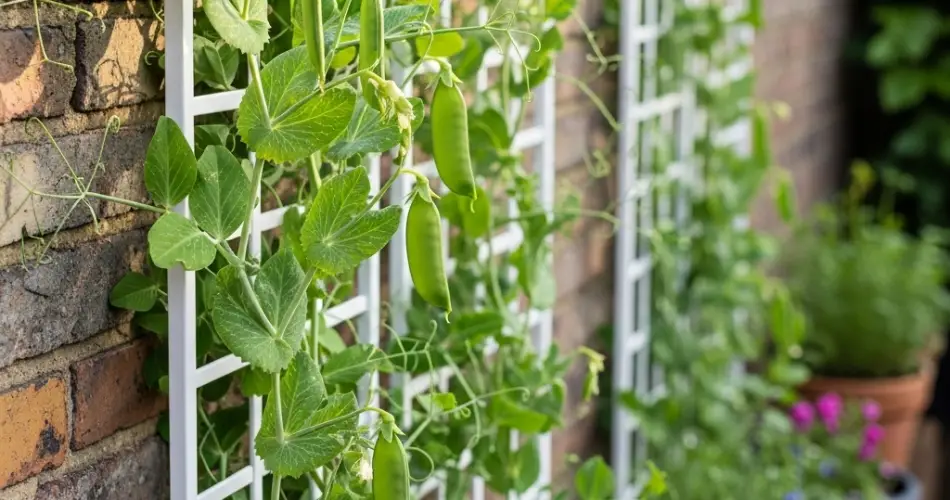
Balcony gardening is a creative way to transform even the smallest urban spaces into productive green havens. While herbs and compact vegetables are often the first choices for container gardening, peas are another rewarding crop that adapts beautifully to balconies—especially when paired with a wall-mounted trellis. These trellises maximize vertical space, provide strong support for climbing vines, and make harvesting sweet, tender pods a simple pleasure.
Why Grow Peas on a Balcony?
Peas are one of the easiest and most satisfying cool-season crops to grow. They thrive in containers, germinate quickly, and reward gardeners with crisp pods and nitrogen-rich roots that naturally improve soil health. For balcony growers, peas offer several advantages:
-
Space-saving growth habit: Instead of sprawling across limited floor space, pea vines climb upward.
-
Fast maturity: Many pea varieties are ready to harvest within 60–70 days.
-
Visual appeal: Their delicate tendrils, bright green leaves, and white blossoms add charm to balconies.
-
Edible yield: Both snap peas and snow peas are delicious straight from the vine, making them ideal for fresh balcony-to-table meals.
However, peas are natural climbers, and to grow successfully in containers, they need structured support. This is where wall-mounted trellises come in.
The Benefits of Wall-Mounted Trellises
Unlike free-standing trellises that require ground space or heavy planters, wall-mounted trellises attach directly to vertical surfaces, making them perfect for balconies. Here’s why they’re especially useful:
-
Maximizing vertical space: Balconies often have limited floor area, but walls provide untapped gardening potential.
-
Stability: Mounted trellises stay firmly in place, resisting wind and weight from vines.
-
Clean growth: Elevating pea plants keeps pods off the floor, reducing exposure to pests and dirt.
-
Aesthetic value: A green wall of climbing pea vines doubles as a natural privacy screen.
For gardeners looking to combine beauty with function, wall-mounted trellises create a striking green feature while supporting productive growth.
Choosing the Right Wall-Mounted Trellis
Several trellis styles work well for balcony peas, depending on available space and design preferences:
-
Wooden lattice panels: Offer a rustic look and plenty of grip for pea tendrils.
-
Metal grid panels: Durable, modern, and strong enough to handle heavier crops if you rotate plants.
-
Expandable wooden trellises: Adjustable to fit walls of different sizes, ideal for compact balconies.
-
Wire or string systems: Minimalist, budget-friendly, and great for small containers aligned along a wall.
Whichever design you choose, ensure the trellis is securely anchored to withstand wind and the weight of mature pea vines.
Setting Up a Balcony Pea Garden with a Wall Trellis
-
Select containers: Use deep pots or long rectangular planters at least 12 inches deep. Peas have shallow roots but need consistent moisture and room to spread laterally.
-
Add well-draining soil: A mix of potting soil, compost, and perlite or sand ensures aeration and nutrient availability.
-
Install the trellis: Secure it to the balcony wall before planting. Make sure there’s enough clearance between the wall and container for airflow.
-
Plant pea seeds: Sow directly into the container about 1–2 inches deep and 2 inches apart. Plant in rows along the base of the trellis for easy climbing.
-
Water and guide growth: Keep soil evenly moist and gently guide young vines toward the trellis until they attach naturally with their tendrils.
Caring for Balcony Peas
Growing peas on a balcony is simple, but a few care tips help maximize yield:
-
Light: Peas prefer full sun, but they tolerate partial shade—ideal for balconies that don’t get all-day sun.
-
Water: Keep the soil consistently moist, but avoid waterlogging. Containers dry out faster than garden beds, so monitor closely.
-
Fertilizer: Since peas fix their own nitrogen, they don’t require heavy feeding. A light application of compost tea or a balanced organic fertilizer at planting is usually enough.
-
Mulch: A thin layer of straw or shredded leaves helps conserve moisture in containers.
-
Pruning: Remove yellowing leaves to improve airflow and reduce disease risk.
Harvesting Balcony Peas
One of the joys of balcony pea gardening is harvesting fresh pods just steps away from your kitchen. Depending on the variety:
-
Snow peas should be picked when pods are flat but tender.
-
Snap peas are best when pods are plump but still crisp.
-
Shelling peas should be harvested once pods feel full, before peas inside become starchy.
Harvest frequently to encourage continuous production. Pods are easiest to spot and pick when held up neatly on a wall trellis.
A Living Green Wall for Small Spaces
Wall-mounted trellises offer more than just practicality. They transform plain balcony walls into vibrant living features. As peas climb, they create a textured, green backdrop that softens harsh concrete or brick surfaces. During flowering, delicate white blooms add charm, followed by pods that dangle like ornaments. For city dwellers, this blend of beauty and productivity is a reminder that even the smallest balcony can yield fresh, healthy food.
Final Thoughts
Balcony gardeners often face challenges with space, but wall-mounted trellises provide an elegant solution. They allow peas to grow vertically, maximize yield in limited areas, and turn plain walls into thriving garden features. Whether you choose a rustic wooden lattice, a modern metal grid, or a simple wire system, a wall-mounted trellis ensures your balcony pea garden is both practical and visually stunning.
By combining smart container choices, proper care, and vertical supports, you can enjoy a steady supply of crisp, sweet peas right outside your door. With a little planning, your balcony can become a productive oasis where green vines climb, blossoms bloom, and fresh harvests are always within reach.


