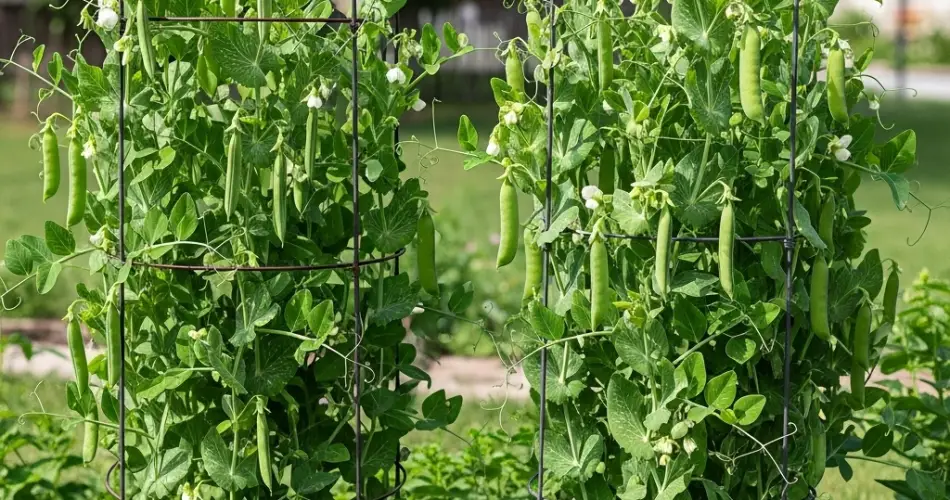
Peas are a classic garden favorite, loved for their sweet, tender pods and versatile use in salads, soups, and stir-fries. While peas can grow along the ground, supporting them with a trellis encourages healthier plants, higher yields, and cleaner, easier-to-harvest pods. Metal net trellises are an excellent option for keeping pea vines upright, providing durability, stability, and effective vertical growth. Whether in a backyard garden or a small urban space, using metal net trellises can transform pea cultivation into a more productive and organized endeavor.
Why Use Metal Net Trellises for Peas?
Pea plants are climbing vines that naturally twine around supports. If left unsupported, vines sprawl along the ground, making pods harder to harvest and more prone to disease and pest damage. Metal net trellises keep vines elevated, improving air circulation and sunlight exposure, which reduces fungal infections and encourages even growth. Vertical growth also keeps pods off the soil, minimizing rot and contamination. Unlike wooden or plastic supports, metal netting is long-lasting, resistant to weather, and able to support vigorous pea varieties throughout the growing season.
Choosing the Right Metal Net Trellis
Selecting the appropriate metal net trellis is key to successful pea cultivation. Trellises can be made from galvanized steel, coated iron, or other weather-resistant metals that provide strength and longevity. The mesh size should be small enough for pea tendrils to grab onto but large enough to allow the plant to grow without restriction. A typical height for pea trellises is 5–7 feet, depending on the variety, with widths ranging from 2–4 feet for single or multiple rows of plants. Ensure the trellis is securely anchored in the soil or attached to a stable frame to withstand wind and the weight of mature vines.
Preparing Peas for Trellis Growth
Start with healthy seeds or seedlings for the best results. Plant peas in well-draining, fertile soil that has been enriched with compost or a slow-release organic fertilizer. Choose a location with full sun for at least six hours a day, as sunlight is essential for vigorous vine growth and pod development. Proper spacing is important: sow seeds 2–3 inches apart and space rows at least 12–18 inches apart to promote airflow and reduce the risk of disease. Early training is crucial, so place the trellis as soon as seedlings emerge to encourage vertical growth from the start.
Training Pea Vines on Metal Net Trellises
Peas naturally twine their tendrils around supports, but guiding young vines onto a trellis ensures organized growth. Gently position the main stems along the netting, helping them secure their tendrils to the metal mesh. Most varieties will cling to the netting on their own, but occasional guidance is useful during early growth. For taller or heavier vines, tie stems loosely to the trellis using soft ties or strips of cloth to provide extra support without damaging the plant. Regularly check vines as they grow and encourage lateral shoots to climb the net for maximum coverage and support.
Pruning and Maintenance
While peas generally require minimal pruning, removing yellowed or damaged leaves improves airflow and light penetration. This helps prevent fungal infections and supports overall plant health. Monitor for common pests such as aphids, pea weevils, and slugs, and manage infestations with organic treatments like neem oil or insecticidal soap. Regular care ensures healthy vines, strong tendrils, and productive pods throughout the growing season.
Watering and Fertilizing
Consistent moisture is essential for pea plants, especially when grown on vertical trellises where soil may dry faster. Water deeply once or twice a week, ensuring the root zone remains evenly moist but not waterlogged. Mulching around the base of plants with straw or shredded leaves helps retain moisture, regulate temperature, and suppress weeds. Peas are light feeders, but applying a balanced liquid fertilizer every few weeks can promote stronger vines and larger, more flavorful pods.
Harvesting Pea Pods
Pea pods are ready to harvest when they are firm, plump, and bright green, usually 2–3 weeks after flowering. Regular picking encourages continuous pod production and prevents overripe pods from weighing down the vines. Pods grown on a trellis are easier to see and access, reducing the risk of missing ripe fruits and minimizing damage during harvest. Use clean hands or garden shears to remove pods carefully from the vine.
Final Tips for Successful Trellised Peas
Using metal net trellises for pea vines is a practical, efficient, and visually appealing gardening method. By providing sturdy vertical support, early training, consistent watering, and regular care, gardeners can enjoy healthier plants, higher yields, and easier harvesting. Metal net trellises maximize vertical space, prevent disease, and ensure cleaner pods. With proper setup and maintenance, trellised peas produce abundant, sweet, and tender pods, making vertical gardening an ideal approach for both small and large gardens.


