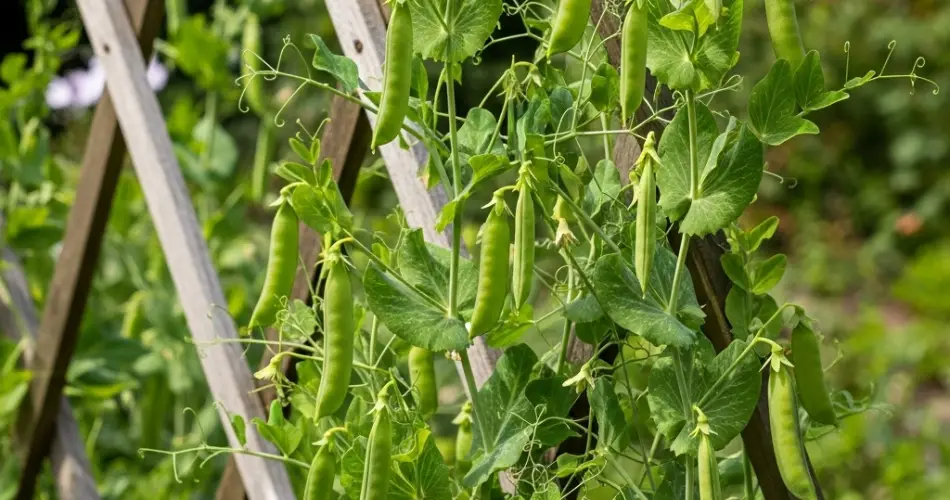
Peas are one of the most rewarding crops to grow in a home garden. Their tender pods and sweet flavor make them a favorite addition to spring meals, while their ability to enrich soil with nitrogen benefits the garden as a whole. However, peas are natural climbers, and to reach their full potential, they need reliable support. One of the most traditional and effective ways to grow peas is by using wooden trellis supports. Strong, natural, and easy to build, wooden trellises provide structure for peas to climb, ensuring healthier plants and a more abundant harvest.
Why Peas Need Trellis Supports
Pea plants send out delicate tendrils that cling to nearby structures. Without support, the vines sprawl along the ground, making them vulnerable to pests, diseases, and rot caused by damp soil. Supporting peas vertically:
-
Improves air circulation, reducing fungal problems.
-
Keeps pods cleaner and easier to harvest.
-
Saves space in the garden.
-
Encourages upward growth, which often results in higher yields.
For early spring plantings, when the soil is still cool and wet, a sturdy trellis keeps the vines off the ground, protecting young plants from excess moisture.
Why Choose Wooden Trellises?
While string nets, plastic mesh, or metal structures can also support peas, wooden trellises remain a timeless choice for several reasons:
-
Strength and stability: Wooden frames are sturdy enough to handle vigorous pea vines and withstand spring winds.
-
Natural look: Wood blends seamlessly with the garden, giving a rustic and organic aesthetic.
-
Customizable: Trellises can be built to fit any garden size, whether a small raised bed or a large plot.
-
Eco-friendly: Unlike plastic supports, wooden trellises can be constructed from reclaimed or sustainably sourced wood.
Types of Wooden Trellis Designs for Peas
There are several styles of trellises that work well for peas, depending on your space and garden goals:
-
A-frame trellis: Two wooden panels joined at the top to form a triangular shape. This design is stable and allows peas to climb both sides.
-
Flat panel trellis: A simple upright frame with horizontal or vertical slats. Perfect for planting peas in straight rows.
-
Lattice trellis: Wooden lattice panels create plenty of small openings for pea tendrils to grab. These panels are attractive and functional.
-
Teepee trellis: Poles arranged in a circular teepee shape, tied together at the top. Though often used for beans, teepees also work for climbing peas.
Gardeners can even repurpose old wooden pallets or fencing to make inexpensive pea trellises.
Setting Up a Wooden Trellis for Early Spring Peas
Building a wooden trellis for peas is simple and requires just a few tools and materials. Here’s a step-by-step guide:
-
Choose the location: Peas need full sun and cool soil, so select a spot that gets at least 6 hours of sunlight daily.
-
Install the trellis before planting: Setting up the trellis early prevents disturbing delicate roots later.
-
Build the frame: Use untreated wood to avoid chemicals leaching into the soil. Secure posts firmly in the ground.
-
Add crosspieces or slats: Attach horizontal supports or use garden twine across the frame to create climbing points.
-
Plant peas at the base: Sow seeds about 1–2 inches deep, spacing them 2 inches apart along the trellis line.
As the seedlings grow, gently guide their tendrils toward the wooden slats. Within days, the vines will begin climbing naturally.
Caring for Trellised Pea Plants
Once peas are established on their wooden trellis, care is relatively simple:
-
Watering: Peas like consistent moisture, especially during flowering and pod development. Water at the base to avoid wetting foliage.
-
Mulching: A layer of straw or compost keeps soil cool and helps retain moisture in early spring.
-
Fertilizing: Peas are light feeders, but a dose of compost tea or balanced fertilizer at planting boosts early growth.
-
Pruning: Remove any damaged or yellowing leaves to improve airflow.
With proper care, peas will climb steadily and reward you with crisp pods throughout the spring.
Benefits of Growing Peas on Wooden Trellises
Using wooden trellis supports for peas offers several advantages beyond convenience:
-
Cleaner, straighter pods for easier harvesting.
-
Reduced risk of soil-borne diseases.
-
Better use of limited garden space.
-
A classic, attractive garden feature that doubles as a functional support system.
For gardeners looking to maximize both yield and garden beauty, wooden trellises are hard to beat.
Harvesting Early Spring Peas
Peas are ready for harvest about 60–70 days after planting, depending on the variety. Check vines regularly, as pods mature quickly. Harvesting frequently encourages plants to produce more. Snap peas and snow peas should be picked while pods are still tender, while shelling peas are best when pods feel plump but not overly firm.
With wooden trellises, peas are held aloft, making pods easier to see and gather without bending or searching through tangled vines.
Final Thoughts
Wooden trellis supports are an excellent investment for anyone growing early spring peas. They combine strength, beauty, and practicality, ensuring your pea plants grow upright, healthy, and productive. Whether you opt for a simple panel, a rustic A-frame, or a handcrafted lattice, a wooden trellis will turn your spring pea crop into a thriving and visually appealing feature of your garden.
By preparing trellises before planting and guiding vines early, gardeners can look forward to a season filled with crisp, sweet peas that are a joy to harvest and eat.


