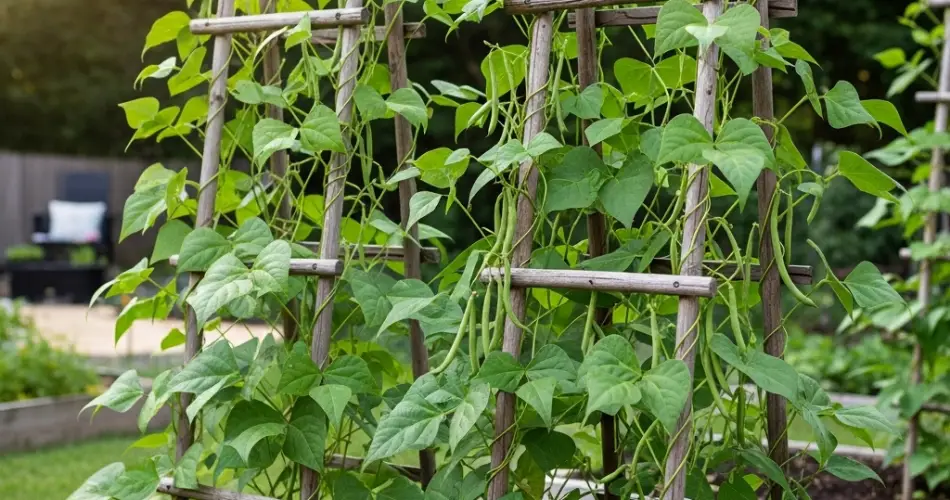
Pole beans are among the most rewarding vegetables to grow in a home garden. Their climbing nature allows gardeners to take advantage of vertical space, producing abundant yields without requiring large planting beds. For those seeking a practical and attractive support system, wooden trellis frames offer the perfect solution. Not only do they provide the structural strength beans need, but they also add a rustic, natural aesthetic to any garden space.
Why Grow Pole Beans with a Trellis?
Unlike bush beans, pole beans are vigorous climbers, often reaching heights of 6 to 10 feet. Without support, they tangle on the ground, making harvesting difficult and increasing the risk of disease. Trellises elevate the vines, encouraging healthy growth and improving airflow.
Some key advantages of growing pole beans on a trellis include:
-
Space efficiency: Vertical growth frees up valuable ground area for other crops.
-
Higher yields: Pole beans typically produce more pods over a longer season than bush beans.
-
Healthier plants: Lifting vines off the soil reduces pest and fungal problems.
-
Ease of harvesting: Beans are visible and accessible when hanging down from the trellis.
-
Aesthetic appeal: A wall of climbing vines creates a lush, green garden feature.
Wooden trellis frames are particularly effective because they combine durability with visual charm, blending seamlessly into garden landscapes.
Benefits of Wooden Trellis Frames
Gardeners often have a choice between metal, plastic, or wooden trellises. Wooden trellis frames stand out for several reasons:
-
Natural look: The rustic texture of wood complements vegetable gardens beautifully.
-
Customizable designs: Wood can be cut and assembled into A-frames, teepees, or rectangular grids to suit your garden’s layout.
-
Accessibility of materials: Wooden stakes, pallets, or reclaimed lumber are affordable and widely available.
-
Eco-friendly option: Wood is biodegradable and more sustainable than many synthetic alternatives.
-
Strength: A well-built wooden trellis can withstand the weight of heavy vines and summer winds.
With proper care, such as sealing or using rot-resistant wood like cedar, wooden trellis frames can last for several growing seasons.
Types of Wooden Trellis Frames for Pole Beans
There are many creative ways to design wooden trellises depending on space, style, and function:
-
A-Frame Trellis
-
Two panels joined at the top, forming a triangular shape.
-
Provides stability and allows beans to grow on both sides.
-
Collapsible versions can be stored easily after the season.
-
-
Teepee or Tripod Trellis
-
Several long wooden poles tied together at the top.
-
Creates a circular planting bed at the base, where beans spiral upward.
-
Doubles as a decorative focal point in the garden.
-
-
Vertical Frame with Horizontal Rungs
-
A rectangular wooden frame with crossbars.
-
Beans climb upward while spreading across the grid.
-
Works well against walls or as a garden divider.
-
-
Pallet Trellis
-
Repurposed wooden pallets set upright.
-
Budget-friendly and eco-conscious.
-
Offers a sturdy climbing surface for beans.
-
Each design supports beans effectively, and gardeners can choose based on available space and aesthetic preference.
How to Build a Simple Wooden Trellis Frame
Building a wooden trellis doesn’t require advanced carpentry skills. Here’s a straightforward method for a basic A-frame trellis:
Materials:
-
4 to 6 wooden poles or stakes (6–8 feet tall)
-
Screws or nails
-
Drill or hammer
-
Hinges or rope for the top joint
Steps:
-
Cut poles to equal length.
-
Pair two poles, leaning them together to form an inverted “V.”
-
Secure the tops with hinges or sturdy rope.
-
Repeat with the other poles to create a second “V.”
-
Connect the pairs with a horizontal beam for stability.
-
Optionally, add twine or wire between the sides to give beans extra climbing grip.
This lightweight but sturdy frame can be set directly in the soil or placed over raised beds.
Planting and Training Pole Beans
To make the most of your wooden trellis, follow these planting guidelines:
-
Sow directly: Beans don’t transplant well, so plant seeds directly into the soil at the base of the trellis.
-
Spacing: Place seeds 2–3 inches apart in rows along the trellis frame.
-
Watering: Keep soil evenly moist but not soggy to encourage strong root development.
-
Training vines: Once seedlings sprout, gently guide them toward the wooden supports. Beans naturally twine, so they’ll soon climb on their own.
Caring for Pole Beans on a Wooden Trellis
Pole beans are relatively low-maintenance, but they benefit from consistent care:
-
Sunlight: Choose a sunny location, ideally 6–8 hours of direct sun daily.
-
Mulching: Apply straw or leaves around the base to retain moisture and suppress weeds.
-
Fertilizing: Beans fix nitrogen naturally, so heavy fertilization isn’t necessary. A light application of compost at planting is usually enough.
-
Harvesting: Pick beans regularly when they’re young and tender to encourage ongoing production.
Final Thoughts
Wooden trellis frames are a classic and functional solution for growing pole beans. They save space, support vigorous vines, and create a charming vertical element in any backyard or garden. Whether you choose a simple A-frame, a teepee structure, or a repurposed pallet, a wooden trellis provides both practical support and rustic beauty.
By combining thoughtful design with proper care, gardeners can enjoy weeks of harvests from lush, climbing bean plants. With a sturdy wooden frame in place, your pole beans will thrive season after season, turning a simple garden into a bountiful vertical oasis.


