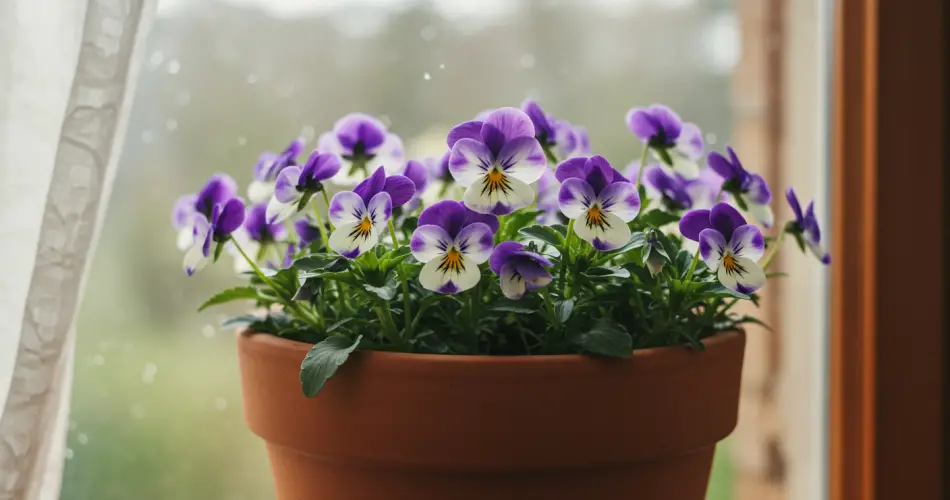
Surrounding your home with vibrant, decorative plants is one of the best ways to create a warm and welcoming atmosphere. Among the most charming flowering plants you can grow is the pansy, also known as the “viola del pensiero” in Italian. Loved for its stunning blooms and symbolic meaning—representing deep, enduring love—the pansy is a plant that many garden lovers cherish.
Keeping pansies healthy and ensuring they flower abundantly does not necessarily require complicated care. The secret lies in something very simple: placing them in the right spot. With the correct exposure to light and protection from the elements, this little flower will reward you with color and beauty for months at a time. Let’s explore what makes pansies so special, when they bloom, and the best positions to place them in each season for long-lasting results.
What Makes Pansies So Special
Scientifically known as Viola tricolor, the pansy belongs to the Violaceae family. Depending on the variety, you may also encounter names like Viola cornuta or Viola x wittrockiana, which produce slightly different flower sizes. Large-flowered varieties are perfect for creating dramatic splashes of color, while smaller-flowered species often bloom more profusely.
Pansies are admired for their striking, velvety petals, which often feature bold color contrasts—purples, yellows, whites, and blues arranged in intricate patterns. Beyond their visual beauty, they carry symbolic meaning, historically representing love, remembrance, and thoughtful affection.
They are also remarkably resilient. Pansies are cool-season flowers, thriving during autumn and winter, and often continuing into early spring before fading in the summer heat. This makes them an invaluable choice for gardeners who want color in their outdoor spaces during colder months, when many other flowers lie dormant.
Planting and Transplanting Pansies
The ideal time to transplant pansies is in September or October, just before the cooler months settle in. At this stage, the weather is mild enough to encourage root establishment, setting the plant up for a vibrant flowering season.
If planting in pots, choose a low, wide container that provides enough room for roots to spread. Use soil formulated for flowering plants, ensuring good drainage. Overly compacted or waterlogged soil can quickly harm the roots and reduce the plant’s ability to bloom.
If planting pansies in garden beds, space them 10–20 cm apart. This distance allows air circulation around the roots and prevents excess moisture from accumulating, which can otherwise lead to fungal issues or root rot.
Regular watering is key, but avoid overwatering. The soil should remain moist but never soggy. Consistent care, combined with the right placement, ensures that pansies thrive and produce continuous flowers throughout the season.
The Importance of Position
Perhaps the most crucial factor for ensuring pansies bloom for a long time is where you place them. Different seasons call for different strategies:
-
Autumn and Winter
During the cooler months, place pansies in a location where they can receive direct sunlight. The sun is weaker during these seasons, and direct light helps the plant produce abundant blooms without risk of scorching. Positioning them in sunny windowsills (for indoor pots) or open garden spots (for outdoor beds) is ideal. -
Spring
As the days grow longer and warmer, pansies prefer partial shade. Too much direct sunlight during spring can stress the plant, causing flowers to fade prematurely. Position them where they receive bright but indirect light, or a mix of morning sun and afternoon shade. -
Summer
Pansies are sensitive to intense summer sun, which can scorch their leaves and blooms. For this reason, they should always be kept out of direct exposure. Opt for semi-shaded or shaded spots where they are protected from strong midday and afternoon rays. If they are in pots, you can easily move them to cooler areas or under a canopy. In the garden, consider using shade cloths or planting them near taller plants that provide natural cover.
Pansies in Pots vs. Garden Beds
Growing pansies in pots offers greater flexibility. You can move the containers throughout the day, allowing the plants to enjoy gentle morning sunlight and then shielding them from harsher afternoon rays. This mobility is especially useful in spring and summer when the sun’s intensity changes.
In garden beds, positioning is more permanent, so it requires planning. A good solution is to plant pansies on the east-facing side of your home or garden, where they benefit from morning light but are shaded during the hottest part of the day. If needed, protective netting or shade cloths can be added in summer to prevent heat stress.
Protecting Pansies from Wind
While light and temperature are essential, another factor that greatly affects pansy health is wind exposure. Pansies dislike strong drafts, which can damage their delicate blooms and dry out the soil too quickly.
To protect them, avoid placing pots or beds in areas where wind is frequent, such as open terraces or unshielded corners. Instead, position pansies near walls, fences, or taller plants that act as natural windbreaks. This not only prevents damage but also creates a microclimate in which the pansies can thrive.
Final Thoughts
The pansy is a small flower with big charm. Known for its resilience, beauty, and symbolic meaning, it’s a plant that brings joy to both indoor and outdoor spaces. But to enjoy its continuous blooms, you must pay attention to placement.
During autumn and winter, full sun is best. In spring, partial shade ensures longevity. By summer, protection from harsh light is essential. Whether grown in pots that can be moved or in garden beds that require careful planning, pansies will thrive when placed thoughtfully. And don’t forget protection from wind—another key to their survival.
By understanding and respecting these simple needs, you can ensure that your pansies flourish, rewarding you with months of color and charm. The right position truly is the secret to enjoying their flowers all year long.