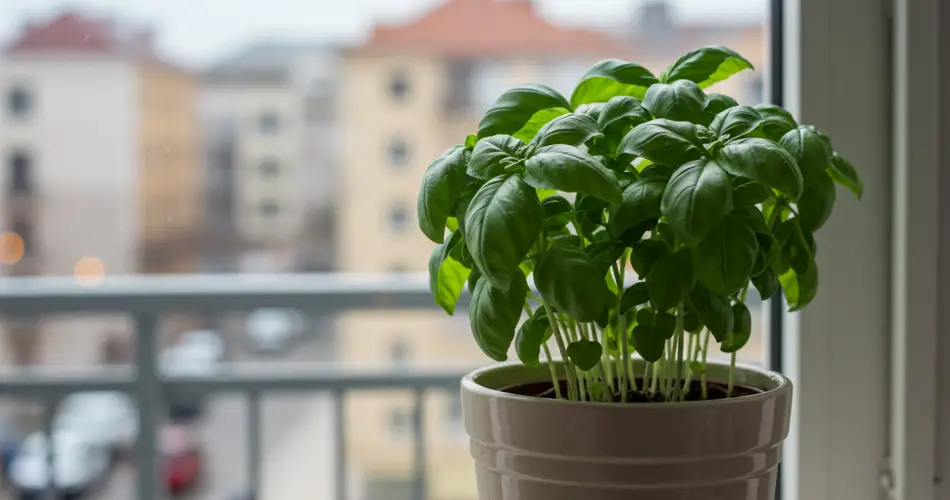
Basil is one of the most popular and beloved herbs in the kitchen. From fresh pesto to flavorful sauces, soups, and salads, its distinctive aroma and taste make it a staple in households worldwide. Many people enjoy having a basil plant on their balcony, in the garden, or even on the kitchen windowsill, so that fresh leaves are always within reach.
But while basil is easy to grow, it can sometimes be a little tricky to keep alive and flourishing. It is a plant that thrives in warm weather and loves sunlight, but it often struggles when exposed to conditions outside its comfort zone. A common frustration is buying a young basil plant only to see it wilt within a week or stop producing new leaves altogether.
The good news is that with a little care and attention, basil can thrive throughout the year—even beyond its typical summer season. By following a few simple steps at the end of February, you can set your plant up for success and enjoy fresh, fragrant basil leaves whenever you want them.
Why Basil Needs Extra Care
Basil is a tender annual herb that originates from warm, Mediterranean climates. It grows best in temperatures between 20°C and 25°C (68°F to 77°F) and requires consistent warmth and light. While it is typically considered a summer plant, you can extend its life and productivity by creating the right conditions and using proper growing techniques.
If neglected, basil can quickly flower, producing seeds instead of leaves. This process signals the end of its productive life, leaving you with fewer leaves to harvest. But with a bit of intervention, you can prolong the leafy stage and ensure that your basil plant keeps producing vibrant, aromatic foliage.
Three Essential Steps for Healthy, Bushy Basil
Toward the end of February, as the days begin to lengthen and temperatures start to rise, you should prepare your basil plants for the new growing season. Following three essential steps will help you maintain a strong, flourishing plant all year long.
1. Separate Seedlings Into Smaller Pots
When you purchase a basil plant, it usually comes in a plastic pot filled with multiple seedlings crowded together. If you leave them in the same container, they will compete for nutrients and space, causing them to weaken and eventually die.
The solution is to separate the seedlings into several smaller pots. Gently tease the roots apart and replant them in individual containers filled with fresh potting soil. Clay pots are preferable to plastic because they allow better air circulation and moisture control. Make sure to space the seedlings at least five centimeters (about two inches) apart so they have room to grow.
2. Prevent Flowering
One of the biggest mistakes basil growers make is letting their plants flower. When basil produces flowers, it diverts energy away from leaf production and into seed formation. This marks the beginning of the plant’s decline.
To prevent this, keep a close eye on your basil. As soon as flower buds begin to form, pinch or cut them off immediately. Regularly removing buds will encourage the plant to keep producing leaves, ensuring a steady supply of fresh basil for your kitchen.
3. Prune the Right Way
Proper pruning is essential for maintaining a lush, bushy basil plant. Many people make the mistake of plucking individual leaves from the top, but this weakens the plant over time. Instead, you should prune entire stems from the tip down, just above a set of leaves.
By cutting stems rather than leaves, you stimulate the plant to branch out, creating multiple shoots that will grow into new stems. This makes the basil fuller and encourages continuous growth. Regular pruning not only keeps the plant healthy but also provides you with a consistent harvest.
Additional Tips for Growing Basil in Pots
In addition to these three key steps, there are several other practices that can help you grow strong, healthy basil plants in containers.
-
Choose the right temperature: Since basil thrives in warmth, be sure to move it indoors during colder months. Place it in a sunny window where it can receive at least six hours of light per day. Avoid exposing it to drafts, sudden temperature changes, or direct exposure to cold air.
-
Maintain proper moisture: Basil prefers soil that is consistently moist but never waterlogged. Water regularly, especially during hot weather, but ensure that the pot has good drainage to prevent root rot. The soil should feel slightly damp to the touch, not soggy.
-
Fertilize wisely: During the growing season, you can give basil an extra boost with a balanced fertilizer or organic compost. A nitrogen-rich fertilizer in spring will promote leaf growth. Avoid over-fertilizing, as this can reduce the intensity of the basil’s flavor.
-
Repot when necessary: If your basil outgrows its container, transfer it into a larger pot with fresh soil. This gives the roots more room to expand and keeps the plant vigorous.
-
Protect from harsh sun: While basil loves sunlight, too much direct midday sun can scorch the leaves. A spot with morning sunlight and afternoon shade is often ideal.
Harvesting and Storing Basil
One of the greatest joys of growing basil is being able to harvest fresh leaves whenever you need them. To do this properly, always harvest from the top by cutting stems rather than pulling off individual leaves. This encourages bushier growth and prevents the plant from becoming spindly.
If you find yourself with more basil than you can use immediately, you can store it in several ways. Fresh basil can be kept in the refrigerator for a few days if wrapped in a damp paper towel or placed in a glass of water like a bouquet. For long-term storage, you can freeze basil leaves or make pesto and store it in the freezer for months.
Final Thoughts
Growing basil at home is both rewarding and practical. With just a little extra care, you can transform a fragile, short-lived plant into a year-round source of fresh, aromatic leaves. By separating seedlings into smaller pots, preventing flowering, and pruning correctly, you ensure that your basil stays lush and productive. Combine these steps with proper watering, good light, and occasional feeding, and you’ll enjoy thriving basil plants no matter the season.
Whether you use it for pasta sauces, salads, or simply as a garnish, there’s nothing quite like the flavor of freshly picked basil from your own balcony or windowsill. Follow these tips, and your kitchen will never be without this essential herb.